














Quality Control for Foam Mats

NEEU applies a structured quality control system throughout foam mat production, from raw material inspection to final packaging checks, helping B2B customers improve product consistency, cleanliness and shipment reliability.

Home / Quality Control

Why Quality Control Matters
Protecting Your Brand, Your Customers, and Your Supply Chain

mat manufacturer quality control

For B2B buyers sourcing foam mats, quality issues don’t just cause customer complaints—they trigger costly returns, retailer chargebacks, customs holds, and damage to brand reputation. A mat that fails thickness tolerance may not interlock properly. Residual formamide or phthalates can fail EU/US chemical compliance. Edge curl or poor flat‑lay memory frustrates end users. NEEU’s quality control system addresses these risks through a multi‑stage framework that covers every step: from raw material verification to in‑process monitoring, 100% final inspection, and batch‑specific documentation. Below is how we guarantee that every interlocking tile, foldable mat, and roll mat meets your specifications—order after order.

Our 6‑Stage Quality Control System — From Raw Material to Loaded Container

NEEU follows a process-based quality control system that covers key stages of foam mat production, from raw material confirmation to final inspection before shipment. This helps us maintain better product consistency and cleaner delivery standards across export-oriented B2B orders.

Step 1 IQC (Incoming Quality Control)

Step 1
IQC (Incoming Quality Control)

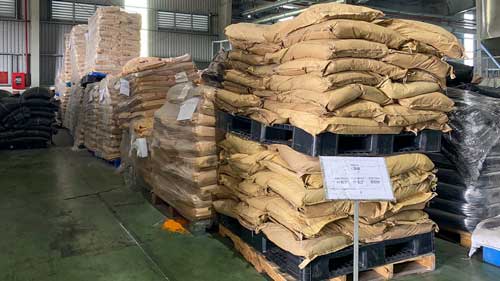
  • Process & Control Points: Upon receipt, every batch of EVA, TPE, PVC, XPE, and TPU granules—as well as plasticizers, stabilizers, and color masterbatches—undergoes testing for density, purity, and melt flow index in accordance with AQL sampling plans. Auxiliary materials (packaging materials, printing inks) are inspected concurrently.
  • Key Metrics: Prevent substandard raw materials from entering the production line at the source; provide raw material compliance declarations.
mat manufacturer quality control First Article Inspection

Step 2
FAI (First Article Inspection)

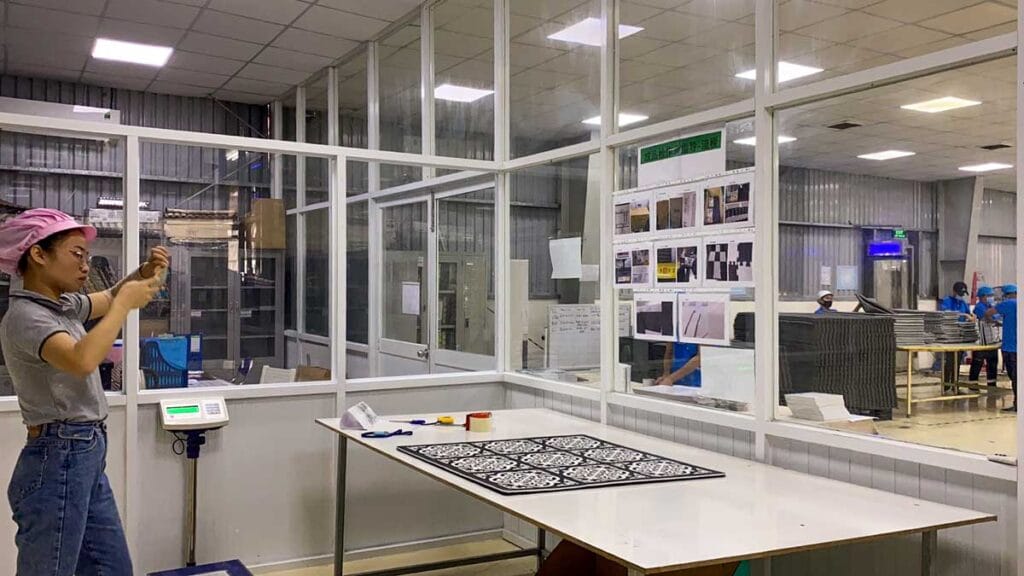
  • Process & Control Points: Following a mold change, color change, or shift change, the first produced unit shall undergo a comprehensive inspection covering all dimensions and performance parameters (including thickness, hardness, joint gaps, and print alignment); mass production may commence only after this unit has been verified as compliant.
  • Key Metrics: Prevents batch-wide dimensional or cosmetic defects; thickness tolerance is controllable within ±0.3 mm.
IPQC (In‑Process Quality Control)

Step 3
IPQC (In‑Process Quality Control)

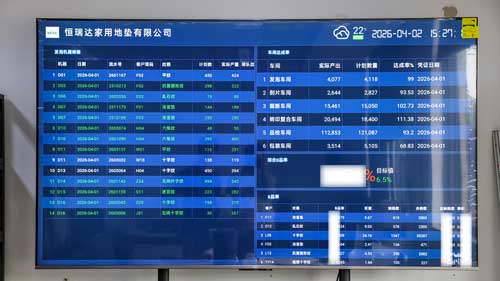
  • Process & Control Points: The MES+AIoT system monitors foaming temperature (±2°C), line speed, thickness (±0.3 mm), and density in real time; physical samples are spot-checked every two hours, and the CPK value is recorded.
  • Key Metrics:Preventive Quality Control: Eliminating deviations directly on the production line; automated retention of batch traceability data.
Inline AI Vision Inspection

Step 4
Full Batch Traceability

  • Process & Control Points:Every NEEU order receives a unique batch ID that creates a complete digital thread – linking raw material certificates, production parameters, in-line inspection logs, final QC sign‑off, and shipment records. Batch‑specific COA, CPC, and third‑party test reports are available for every shipment.
  • Key Metrics:Identify issue → Pinpoint batch → Trace root cause → Precision recall
FQC (Final Quality Control / 100% Inspection)

Step 4
FQC (Final Quality Control / 100% Inspection)

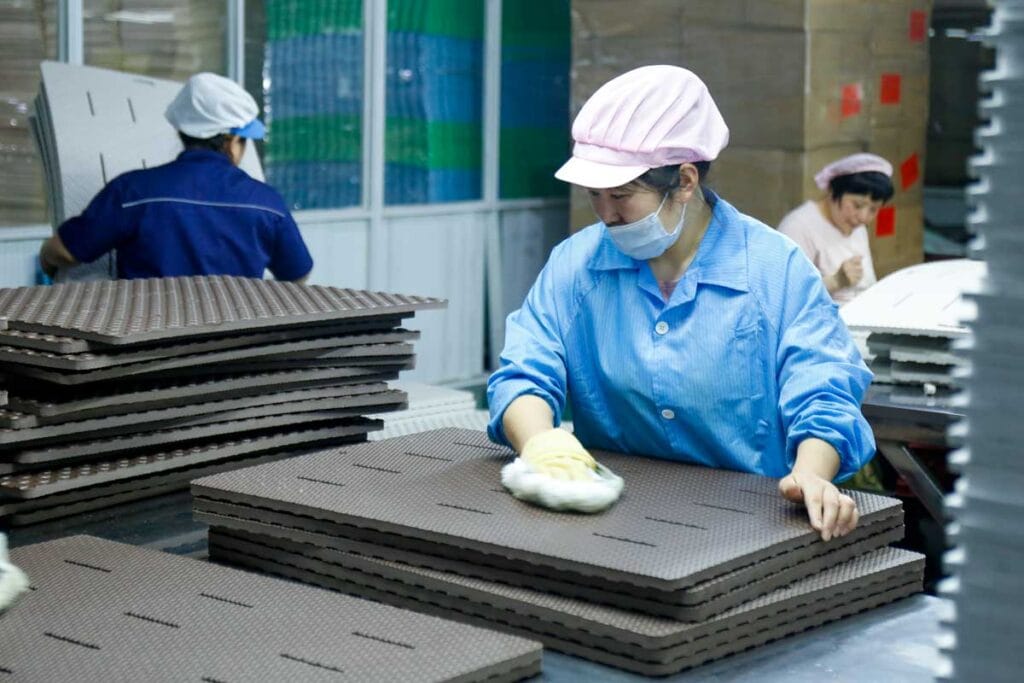
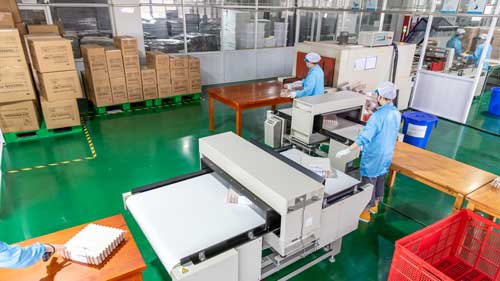
  • Process & Control Points: Every mat (whether sheet or roll) undergoes a comprehensive manual visual inspection—a 100% full inspection. Simultaneously, metal detector scans, odor assessments (via a 72-hour sealed-environment test), and weight spot checks are conducted.
  • Key Metrics:Ensure that delivered protective pads are clean, free of foreign matter, stains, and odors, and have burr-free edges; a Batch COA must be attached.
OQC (Outgoing Quality Control)

Step 5
OQC (Outgoing Quality Control)

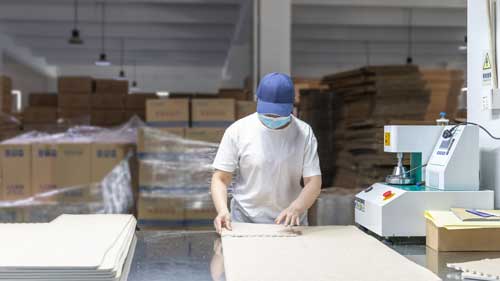
  • Process & Control Points:Samples are drawn from each batch in accordance with the ANSI/ASQ Z1.4 standard and sent to our internal laboratory for re-testing of key physical properties (density, compression set, and tensile strength). Additionally, upon customer request, samples can be submitted to a third-party (SGS, TÜV, or Intertek) for issuance of an independent report.
  • Key Metrics:Provides dual documentation for customs clearance and retailer verification; CPC certificate available for inspection.

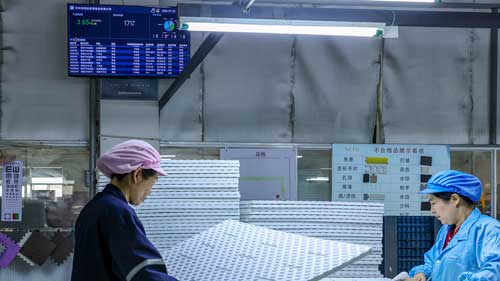
100% Manual Appearance Inspection

Front and Back Surface Defect Control Before Packaging

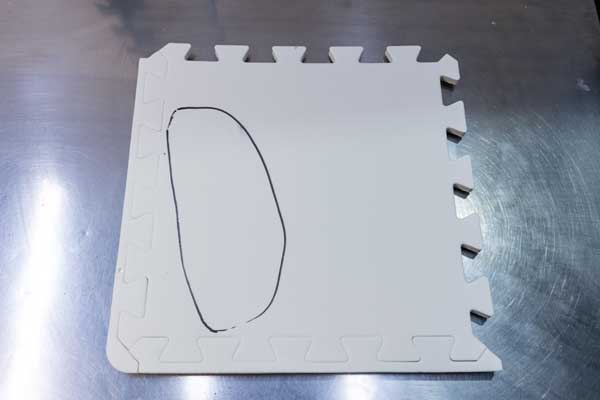
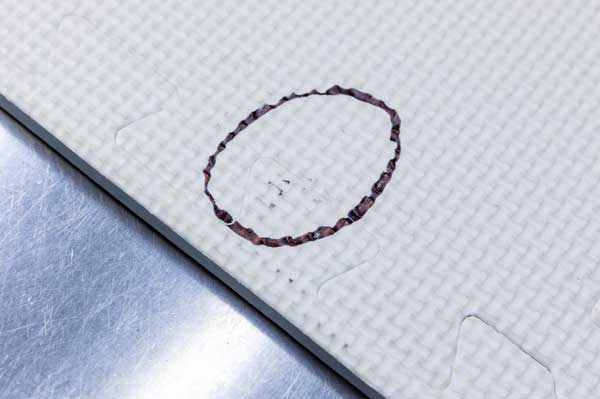
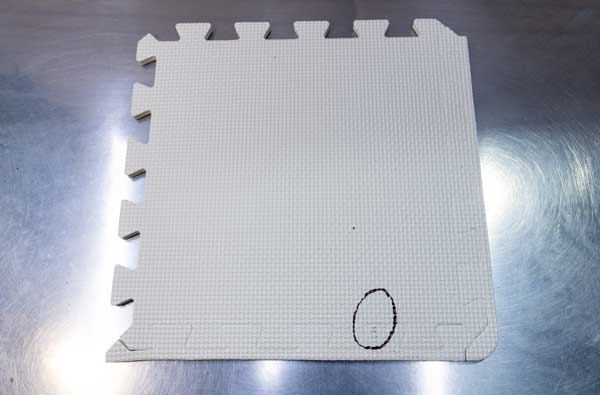
Every finished mat is manually checked before packaging. Inspectors review the front surface, back surface, edges, and corners to identify visible defects and release only approved, clean, and packaging-ready products.

  • Front Surface Check
  • Edge and Corner Review
  • Back Surface Check
  • Before Packaging Release

Defect Handling Flow

What Happens When a Defect Is Found?

Products that do not meet the approved appearance standard are cleaned, reworked, sorted out, or rejected. Only inspected and approved mats move forward to final packaging.

Visible Defect

Edge Whitening / Light Edge

Inspectors check edge whitening, uneven edge color, and cutting-related marks that may affect retail appearance.

Visible Defect

Pinholes / Holes

Visible holes, pinholes, or punctures are identified before products are packaged.

Visible Defect

Air Bubbles

Surface bubbles or trapped-air marks are checked to maintain consistency in appearance and touch quality.

Visible Defect

Burn Marks

Heat marks or burnt areas are removed from acceptable goods to prevent visible process defects.

Visible Defect

Color Contamination

Unexpected color spots, mixed-color particles, or contamination are checked against the approved color standard.

Visible Defect

Stains / Dirt

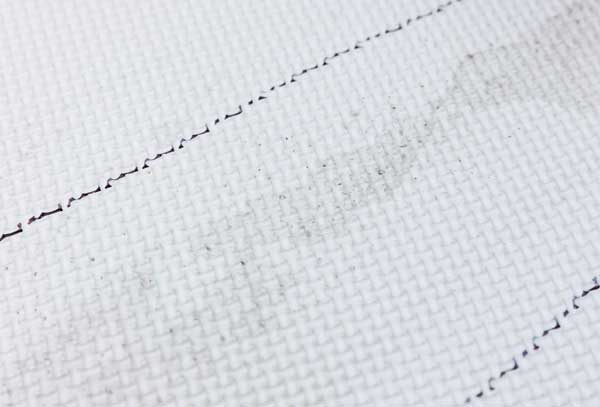
Dust, oil, dirt, and handling marks are checked so only clean products are packed.

Need a Supplier With Clear Quality Control Procedures?

Testing That Proves Performance — Key Physical & Mechanical Metrics

NEEU Physical & Mechanical Testing

Beyond visual inspection, NEEU conducts in‑house laboratory testing on every batch to verify that mechanical properties meet your specifications. All tests follow standard ASTM or ISO methods. Below are the core properties we measure and why they matter for your end users

Test Item Test Method Key Metrics Value to End Users
Density
ASTM D792 / ISO 845
Adjustable (EVA: 0.91–0.95 g/cm³; XPE: 28–300 kg/m³)
Ensures batch-to-batch consistency in the mat’s hardness and support; prevents the material from becoming excessively soft or hard due to uneven foaming.
Hardness
ASTM D2240 / ISO 868
Adjustable (Shore A / Shore C)

Ensures consistent “underfoot feel”—yoga mats(内链) require softness, while industrial mats require firmness.

Tensile Strength
ASTM D412 / ISO 1798
EVA ≥ 5 MPa; XPE 0.20–1.35 MPa
Tear Resistance: prevents edge cracking under violent tearing or pulling.
Tear Strength
ASTM D624 / ISO 34-1
EVA / PVC ≥ 3.1 kN/m
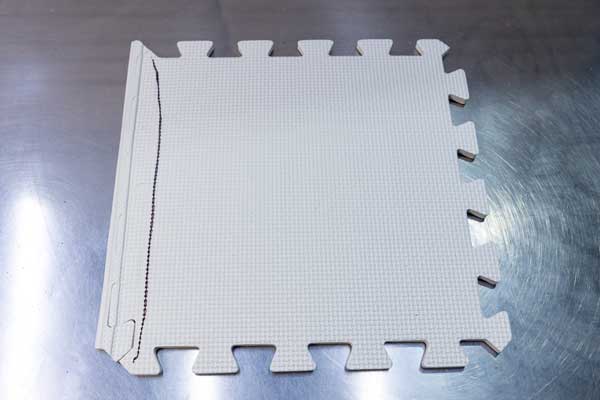
Resistance to tearing at splice edges or cuts。For example, the key processes for folding mats(内链) are creasing and fold-line formation.
Compression Set
ASTM D395 / ISO 815
XPE ≤ 11%; EVA 15–25%
Ability to recover original thickness after prolonged compressive loading (e.g., from children playing or fitness equipment); prevents structural collapse.
Resilience
ASTM D3574 / ISO 8307
XPE ≥40%; TPE: Good; EVA: Moderate
Dynamic Cushioning & Energy Absorption — The mat rebounds quickly after poses such as Downward-Facing Dog or after jumping, providing continuous protection.
Slip Resistance Coefficient (Dry/Wet)
ASTM D2047
Dry: ≥ 0.6; Wet: ≥ 0.5

For yoga and fitness mat(内链), does the mat provide sufficient slip resistance in wet or slippery conditions? This constitutes the core of the direct user experience.

Thickness Tolerance
Online Laser Measurement + Manual Spot Checks
±0.3–0.5 mm
Minimal height difference during multi-panel splicing or seamless installation; poses no tripping hazard.

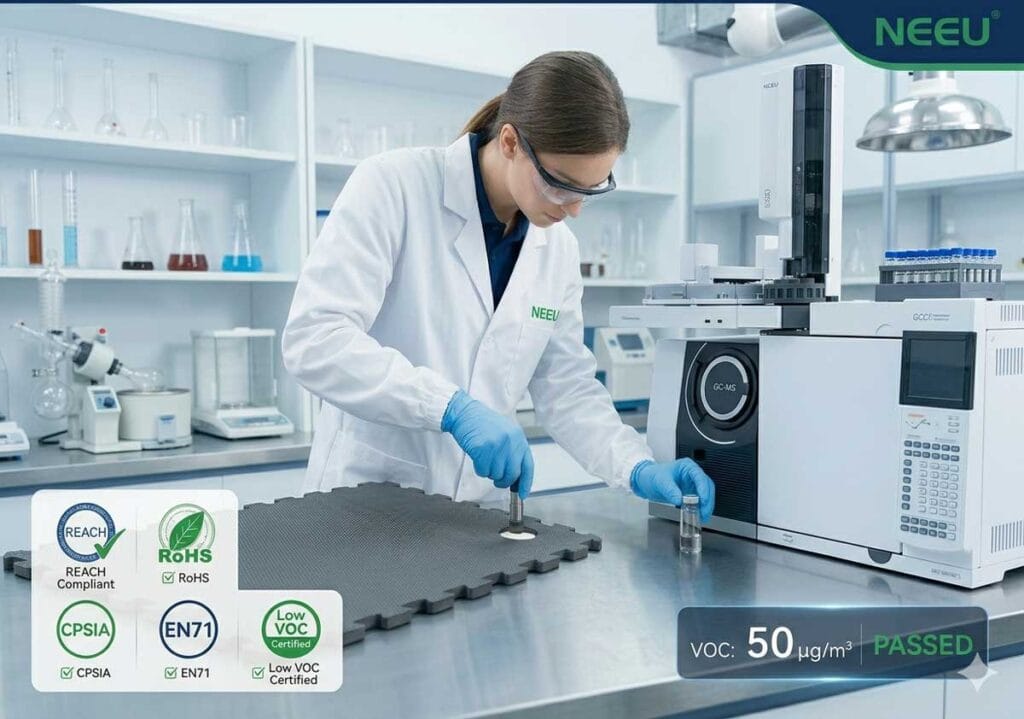
Chemical Safety and VOC Testing Support

Chemical Safety and VOC Testing Support

NEEU is dedicated to fully supporting a wide range of B2B export projects through production management and compliance coordination services centered on quality. Depending on the product type and target market, adherence to specific regulations on chemical safety and VOCs (Volatile Organic Compounds) is mandatory. Our products have successfully passed numerous internationally recognized testing, auditing, and certification programs; furthermore, where applicable, we assist clients in preparing relevant supporting documentation and provide specialized support tailored to specific markets. This service is seamlessly integrated into our production Quality Control (QC) processes, creating a highly efficient synergistic mechanism. For full details regarding our certifications, please visit our “Certification Center.”

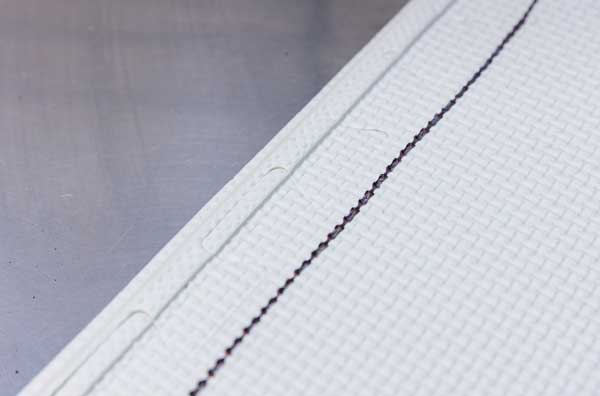
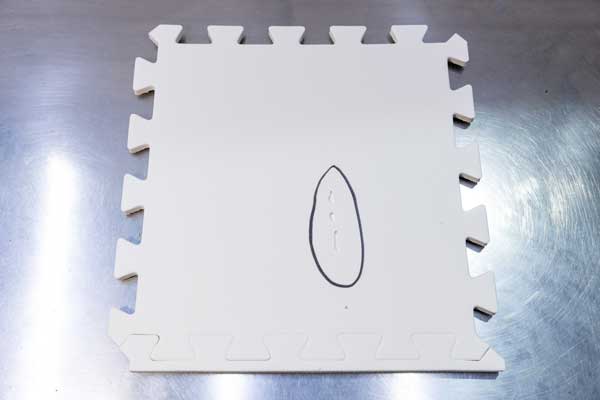
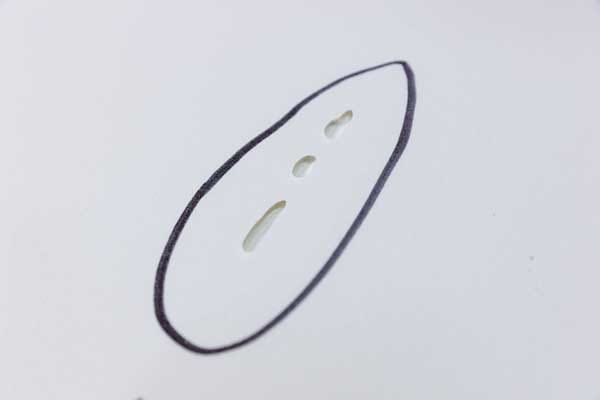
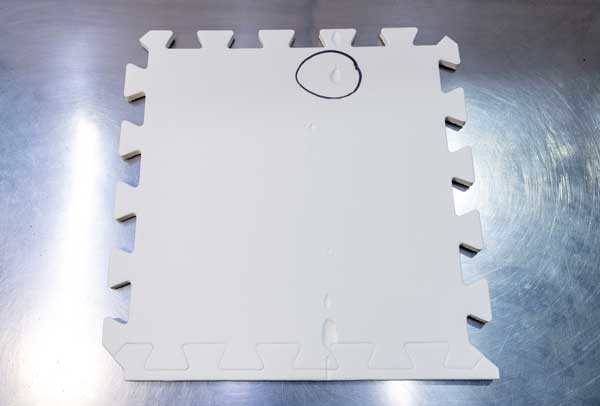
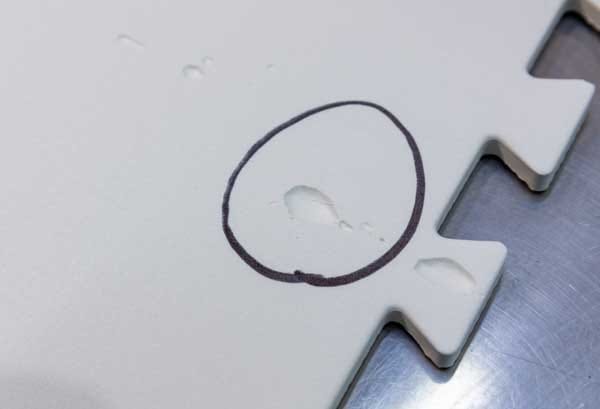
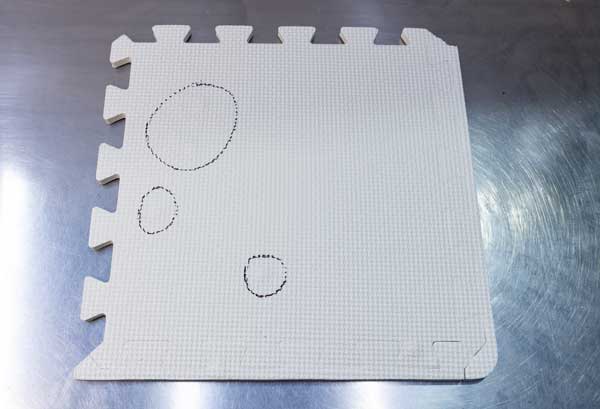
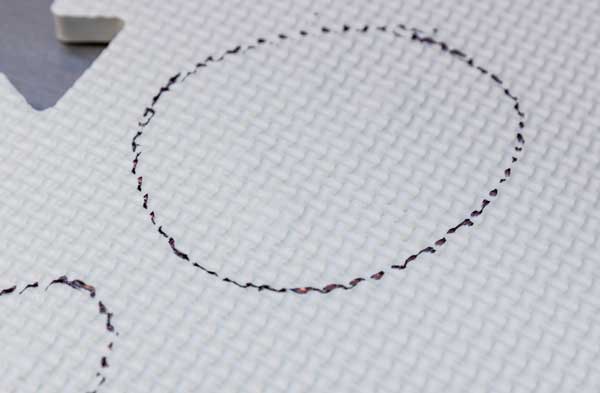
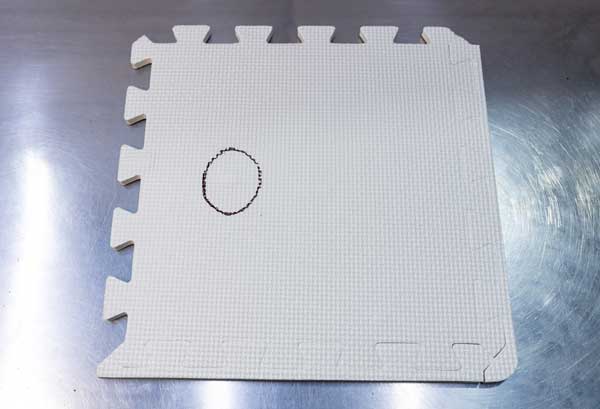
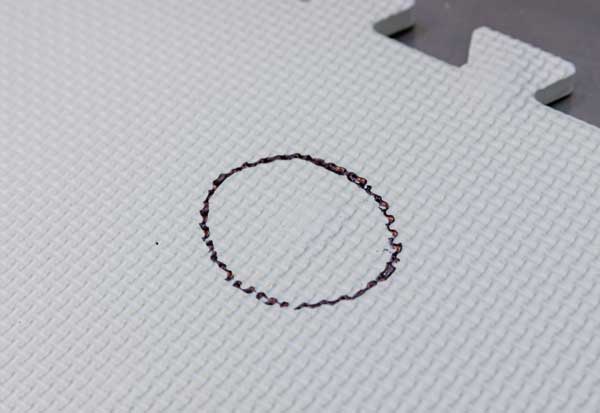
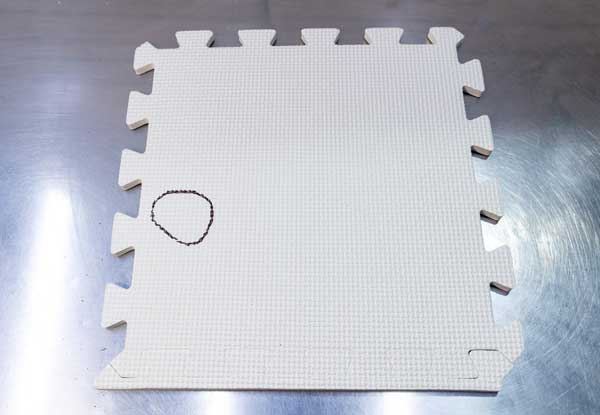
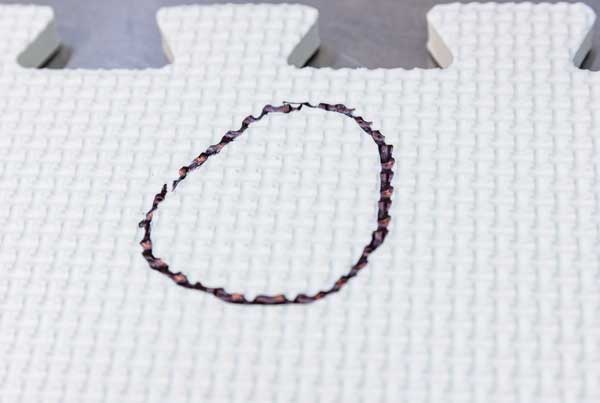
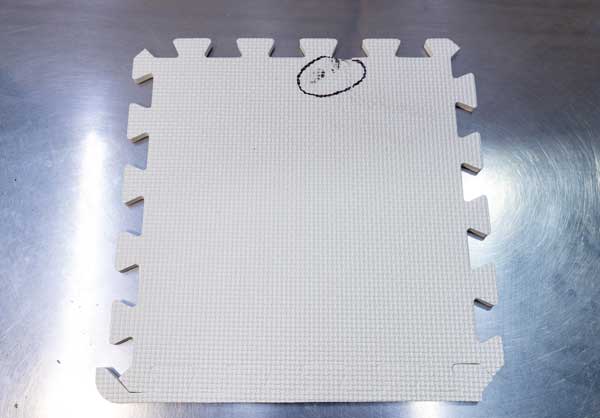
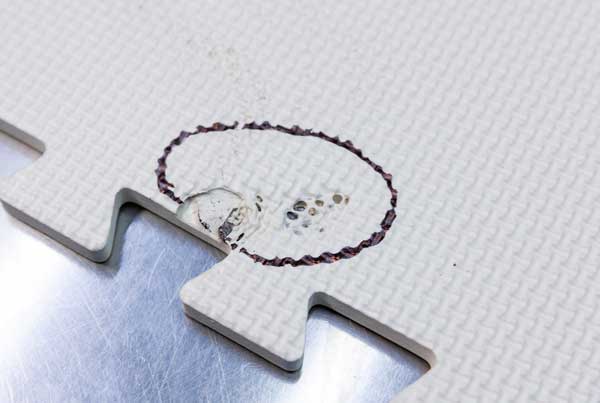
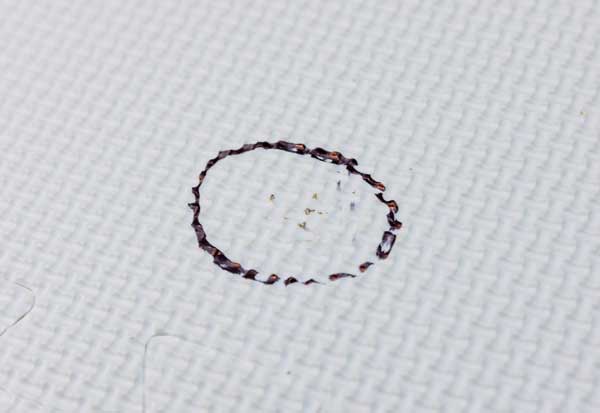
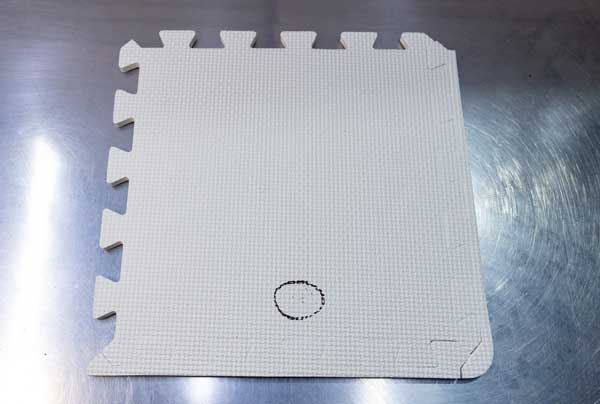
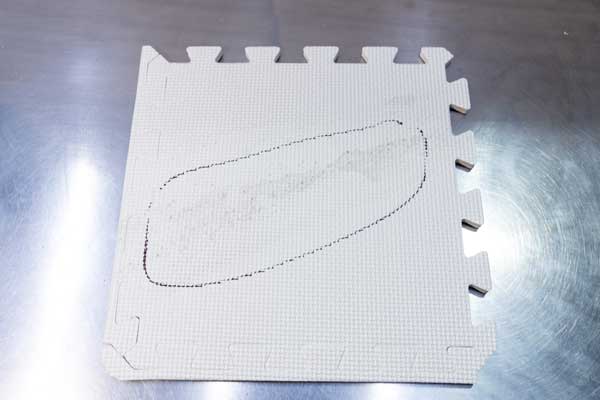
Tear Resistance Test for Laminated Children's Play Mats

Our EVA puzzle mats are fortified with an advanced anti-tear PE film layer, a direct response to the wear and tear of active play. This high-strength surface laminate is engineered to withstand scratching, picking, and pulling, significantly reducing the risk of the top film peeling off. This upgrade is crucial for safety: by preventing small, torn pieces from detaching, we effectively eliminate a potential choking hazard for young children. The result is a mat that not only lasts longer but also provides a safer, more secure play environment—making it the ideal choice for baby play mats, kids’ flooring, and high-traffic EVA puzzle areas.

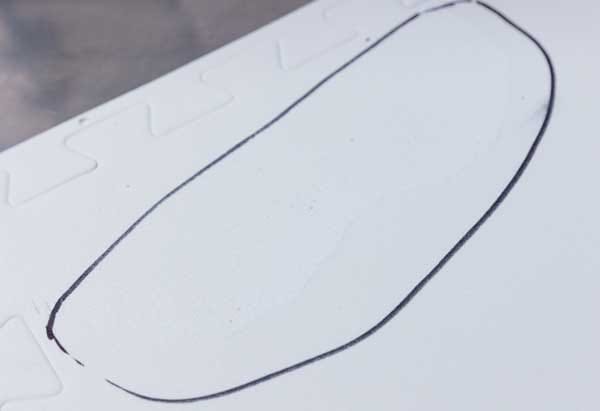
Floor Mat Slip Resistance Test

Our new EVA mat features a durable anti-slip layer that greatly enhances grip on hard surfaces. Designed for 30cm x 30cm puzzle mats, it addresses issues like tile separation and seam cracking during intense use.

With improved surface friction, the mat keeps puzzle pieces locked together, ensuring better stability. This creates a cohesive, slip-resistant surface ideal for busy playrooms, nurseries, and daycare centers.

Full Traceability

Every Batch, Every Record, Every Report

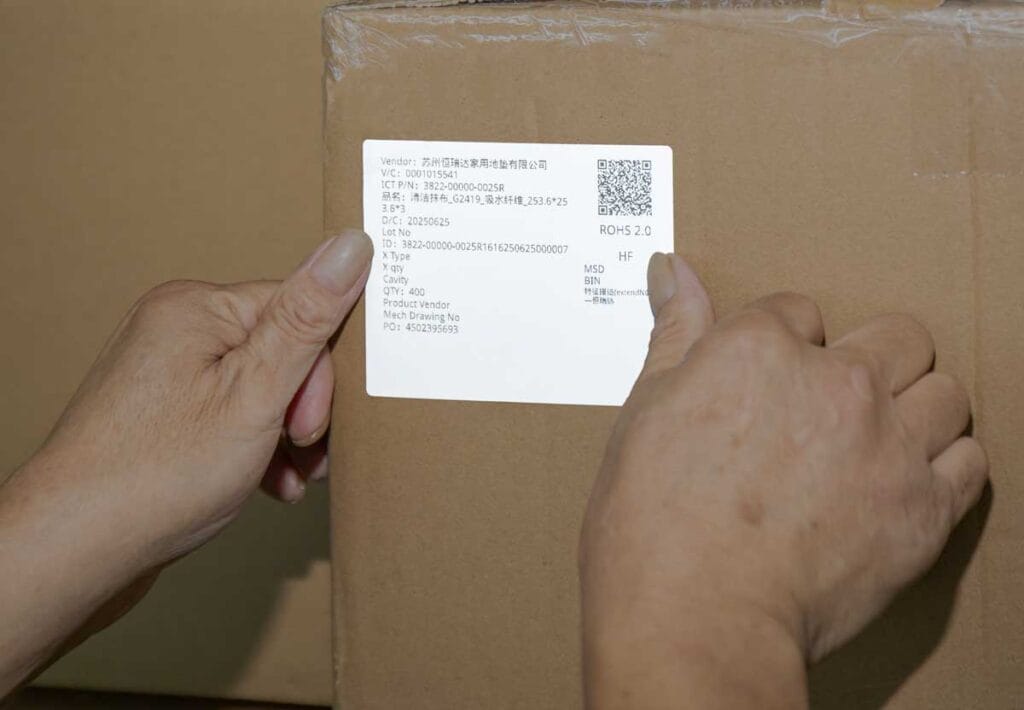
A batch-specific traceability system is a key component of NEEU’s quality management framework. Each order is given a unique Batch ID, allowing NEEU to quickly access comprehensive quality records—including Certificates of Analysis, production parameters, inspection logs, final sign-offs, third-party test reports, shipping documents, packing lists, and customs declarations—within 48 hours for customer inquiries or regulatory audits.

NEEU Fully Traceable Quality Management System
Documents provided with every shipment (customizable to meet your specific needs):

COA (Certificate of Analysis)

summarizes batch‑specific physical test results

GCC (General Certificate of Conformity)

 for non‑children products (US)

CPC (Children‘s Product Certificate)

for children‘s products (US, <12 years)

REACH / EN71 / Prop 65 test reports

third‑party batch reports (on request)

Material Safety Data Sheet (MSDS)

for each material type

Flammability test certificate

16 CFR Part 1630 or EN 13501‑1

Why Global Brands Trust NEEU for Foam Mats

Behind every NEEU foam mat is a vertically integrated manufacturing operation spanning 75,999㎡ square feet across China and Vietnam – equipped with automated foaming lines,  dust-free workshops, and 620+ skilled technicians. We hold ISO 9001, BSCI, EN71, ASTM F963, CPSIA, REACH, and Walmart/Target/Disney compliance – certifications that matter to European and North American retailers. Every foam mat undergoes 100% final inspection for cleanliness, foreign objects, and packaging integrity. From raw material sourcing to batch traceability, NEEU delivers consistency, compliance, and scalability. Want to see our full capabilities?

Ready to Start Your Next Project With Better QC Support?

Frequently Asked Questions About QC & Compliance

Do you provide third‑party test reports with each batch?

A: Yes — we can include SGS, TÜV, or Intertek batch‑specific test reports upon request. For US‑bound children‘s products, we also provide a CPC certificate.

What AQL level do you use for final inspection?

A: We follow the international standard ANSI/ASQ Z1.4 with General Inspection Level II. Critical defects are set to AQL 0 (zero tolerance), major defects to AQL 2.5, and minor defects to AQL 4.0.

How do you ensure batch‑to‑batch consistency?

 A: Through Six mechanisms: 

  1. Formula Standardization:Fixed supplier + digital formula, formula error <1%, Same raw materials, same formula, ensuring batch consistency. It is the first line of defense against batch consistency issues.
  2. Automated Weighing:
    Automated batching eliminates human error, ensuring each batch has an identical chemical composition with a +0.1% batching accuracy.
  3. Parameter Lock-In:
    PID temperature control + parameter curing: eliminating the impact of production condition fluctuations on product performance, with temperature fluctuations within +2°C.
  4. In-Line Monitoring:
    Real-time monitoring and visual inspection, with closed-loop feedback, minimize batch-to-batch variations—thickness tolerance +0.3mm.
  5. 100% Final Inspection:
    100% inspection ensures that every product leaving the factory meets the standards without exception.
  6. Batch Traceability:
    Batch traceability and sample archiving enable problems to be identified, addressed, and prevented.

Do you inspect every order before shipment?

A: Yes. NEEU conducts a final inspection before shipment to help ensure products meet order requirements for appearance, quantity, cleanliness, packaging condition, and overall presentation. Our goal is to improve shipment readiness and reduce delivery risk for B2B customers.

How do you control cleanliness during production?

A:NEEU places strong emphasis on cleanliness management during production and packing. We pay close attention to product surface condition, prevention of foreign matter, and the presentation of clean packaging, especially for applications such as baby mats, kids’ play mats, yoga mats, and home-use mats.
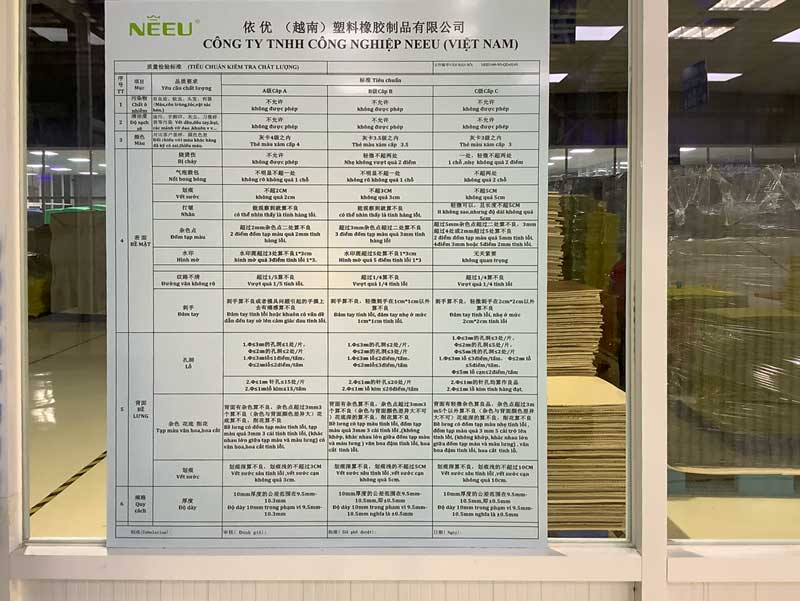
NEEU places strong emphasis on cleanliness management during production and packing. We pay close attention to product surface condition, prevention of foreign matter, and the presentation of clean packaging, especially for applications such as baby mats, kids' play mats, yoga mats, and home-use mats.

Do your foam mats have an odor?

A: XPE and TPE mats are virtually odorless—ready to use out of box. High‑quality PVC mats have minimal odor that dissipates within days when aired. All finished products undergo a 72‑hour sealed‑bag odor test before shipment.
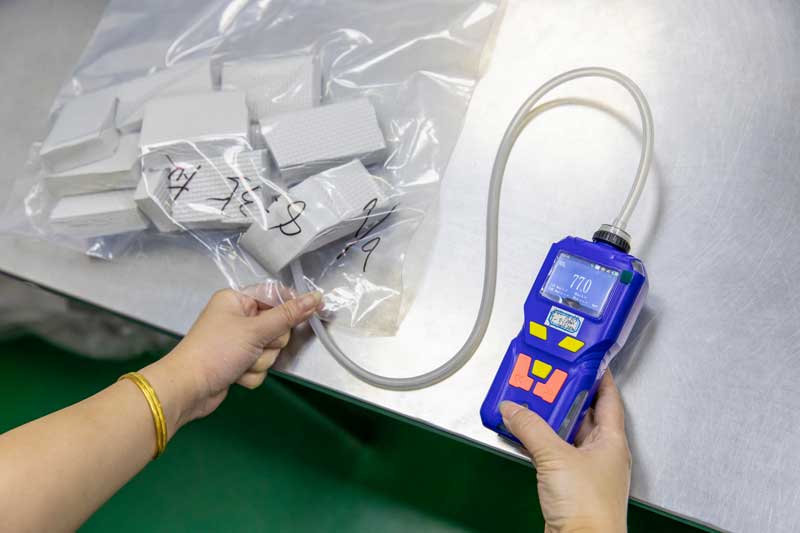
72‑hour sealed‑bag odor test

Do you check the packaging before shipment?

A: Yes. Packaging inspection is an important part of our QC process. We check packaging condition, packing completeness, labeling status, and overall shipment presentation to help reduce the risk of damaged, incomplete, or poorly packed goods.

Can you provide a customized quality inspection checklist?

A: Yes — we can develop a tailored QC checklist and inspection plan based on your specific product requirements (materials, printing, packaging). Pre‑shipment video inspection is available.

What quality documentation do you keep per batch, and for how long?

A: We retain all batch records—including raw material certificates, in‑process charts, QC sign‑offs, and third‑party test reports—for a minimum of 5 years, providing full traceability for regulatory audits and customer inquiries.

Can you support quality control for OEM or private label orders?

A: Yes. NEEU supports OEM, ODM, and private-label projects with quality control procedures aligned with product specifications, packaging requirements, and project expectations. Our team helps customers improve consistency from production to shipment.

Do you have in-house testing support for physical performance evaluation?

A: Yes. NEEU uses in-house testing support for selected physical performance checks, depending on the product type and project requirements. These evaluations may include thickness consistency, dimensional verification, cushioning performance, and other basic product-related assessments.

A: NEEU can support export-oriented projects with testing, certification, and compliance-related coordination where applicable. Requirements may vary depending on product type, intended use, and destination market. For more detailed information, buyers can also visit our Certification Center.

How do you help maintain quality consistency across production locations?

A:With manufacturing support in both China and Vietnam, NEEU follows a process-based quality approach to help maintain stable production standards and better sourcing continuity. This helps B2B customers manage supply flexibility while supporting quality consistency.

Scroll to Top
Enter your name...
Enter your email
Application scenarios
Fill in the application scenarios of EVA foam mat that you are interested in.
Product materials of interest
Fill in the material of the product you are interested in.
Enter your message
Enter your company name
Your company type
Main target market
OEM/ODM customization
Initial purchase quantity
Expected procurement time
Procurement stage
What kind of support would you like us to provide? (Multiple selections allowed)
cropped-05069d0e2efa2c148c8c75f94fbc281-1.png

Contact us

Let's have a chat