
Surface Treatment & Lamination for Foam Mats
Controlled surface finishing and lamination processes that improve texture, grip, appearance, durability, and multi-layer performance for EVA, TPE, XPE, PVC, and TPU mat products.
UV / PU / laser
Selected custom marking and printing options
Lamination
Film, textile, foam, and backing layer support
Embossing
Texture, grip, and decorative surface options
100% check
Cleanliness, surface defects, and packaging readiness
Why Surface Treatment and Lamination Matter in Foam Mat Manufacturing
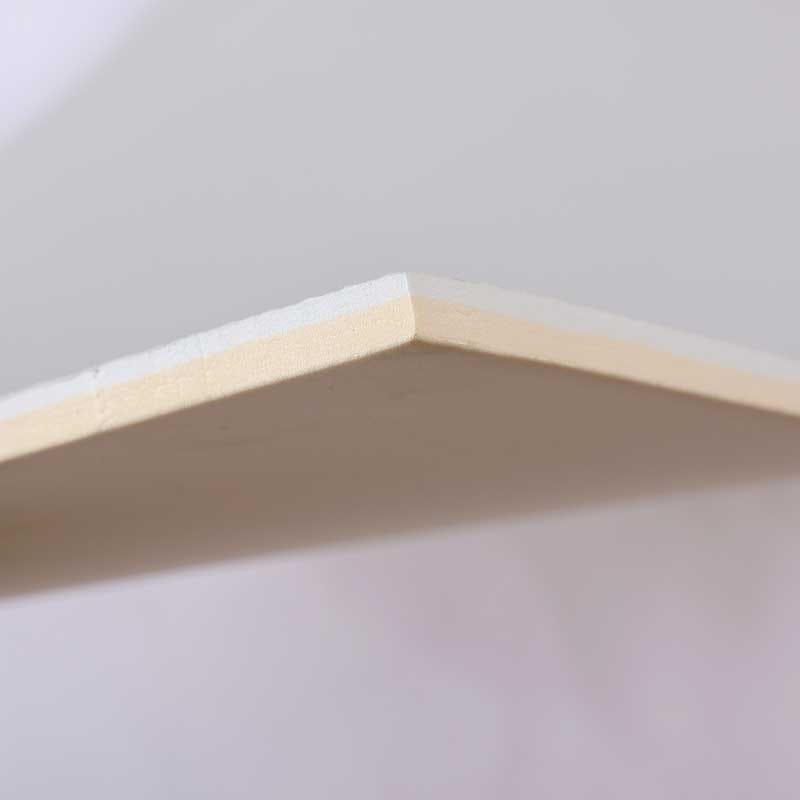
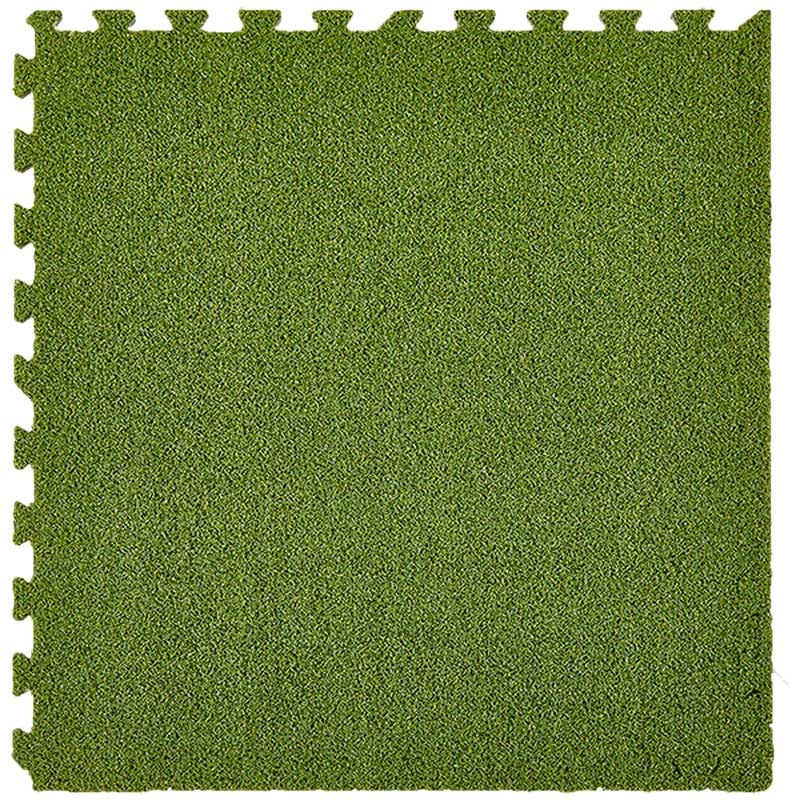
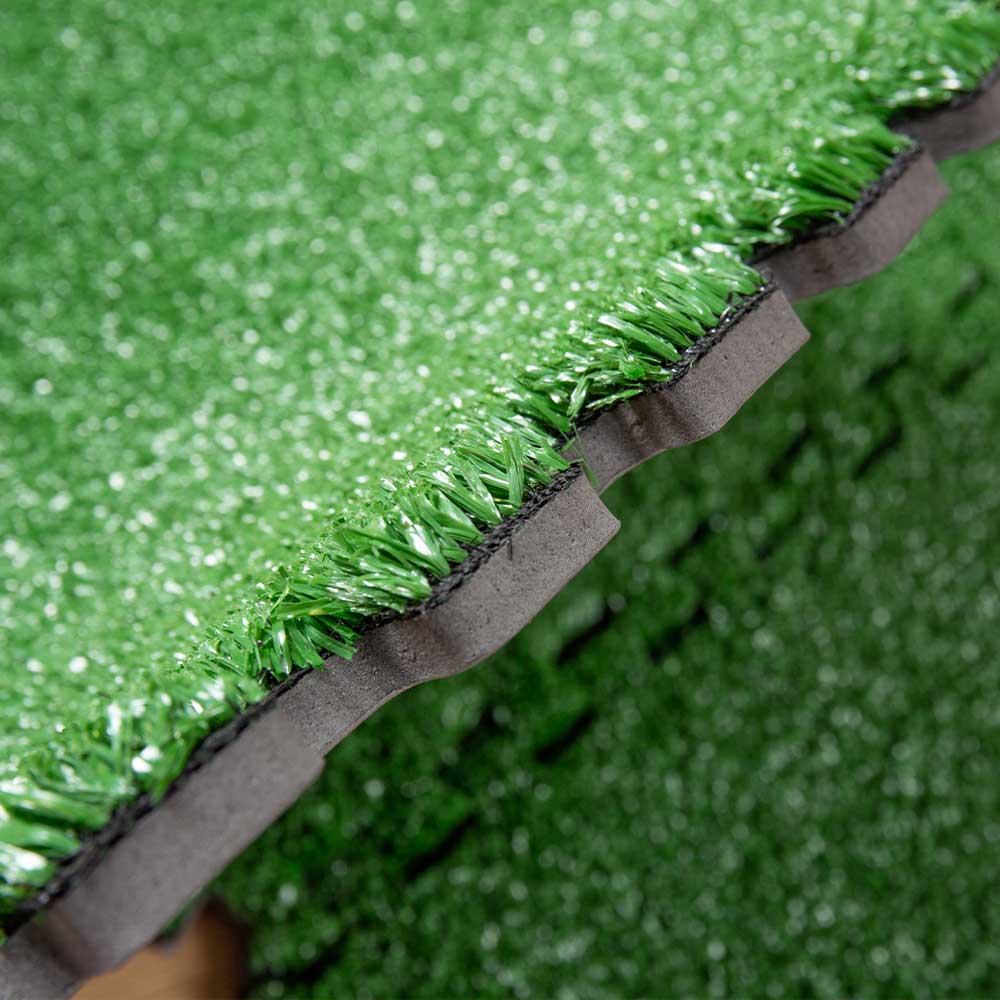
consistent surface finishing capabilities help minimize risks such as batch-to-batch color variation, delamination, blistering, uneven edges, and customer complaints. Proper surface treatment delivers:
- Anti‑slip safety – Embossed patterns or rubber coatings increase the friction coefficient (≥0.5 wet/dry).
- Brand visibility – Heat transfer or UV printing adds logos, educational graphics, or alignment lines.
- Durability – Lamination protects foam from abrasion, UV, and moisture.
- Comfort & aesthetics – Fabric, cork, or suede surfaces elevate the product for home and lifestyle use.
- Special functions – Antimicrobial, anti‑static, or stain‑resistant coatings meet specific application needs.
NEEU‘s surface treatment line integrates multiple technologies to match your product‘s end‑use – whether it‘s a children‘s play mat, a hot yoga mat, or a commercial gym tile.
Advanced Surface Treatment & Lamination: Engineering Texture & Structural Integrity
The surface of a foam mat defines its safety (slip resistance), aesthetics (color, pattern), and tactile experience. NEEU offers eight distinct surface finishing technologies – each with its own process flow, equipment, and material compatibility. From permanent in‑mold textures to full‑color UV printing, from laser‑etched logos to multi‑layer composites (e.g., EVA+cork, XPE+fabric), we match the right finishing method to your product‘s application and volume. Below we explain the brief process, core equipment, and suitable materials for each technology – helping you choose the optimal finish for your foam mats.
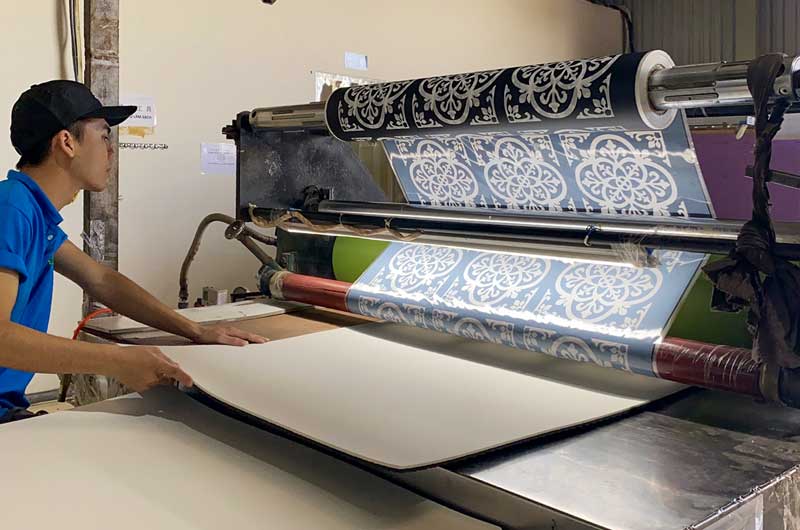
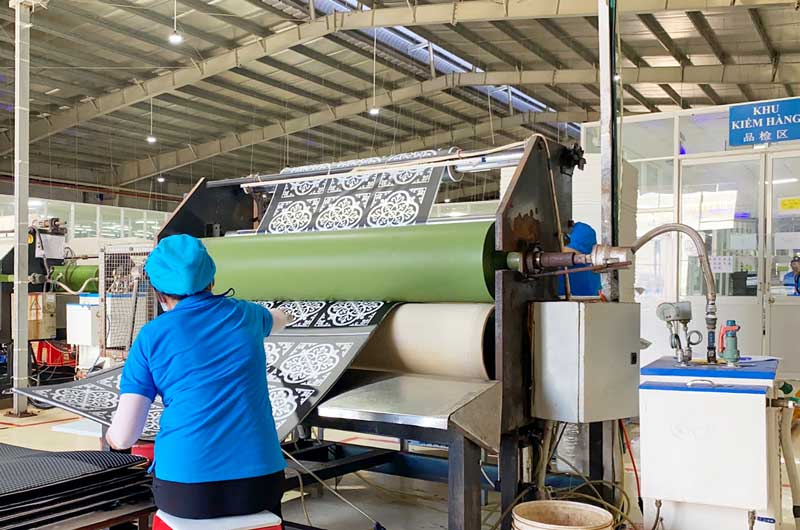
Film Lamination
- Brief Process:The pattern is first gravure or flexo-printed onto an eco-friendly film (OPP, PE, or PET); the printed film and the foam substrate are then simultaneously fed into a laminating machine and bonded using roller pressure (often followed by a varnishing process to achieve a matte finish and seal the color).
- Core equipment: Automated Film Laminating Line + Varnish Coating Machine
- Suitable materials: XPE (e.g., children’s crawling mats), EVA (e.g., wood-grain or cartoon interlocking mats)
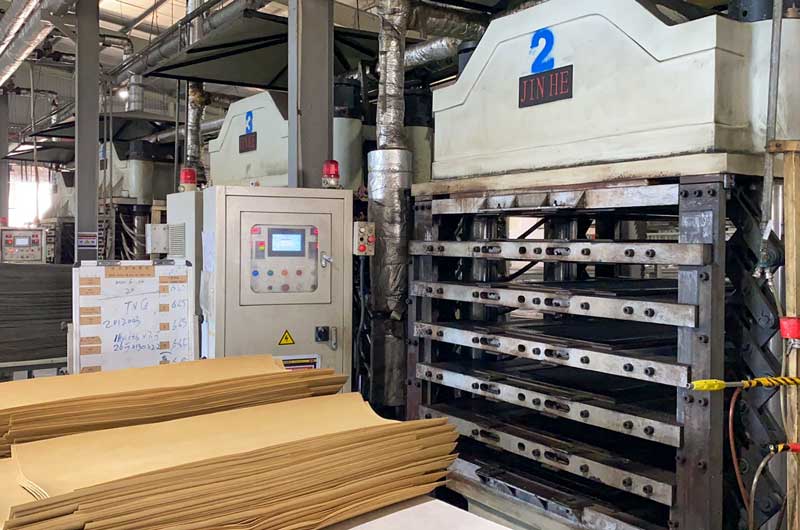
Mold-Imprinted Texturing
- Brief Process:The desired textures (such as anti-slip dots, wood grain, or logos) are engraved into the cavity of the steel mold. After the EVA raw material is loaded into the mold, it undergoes foaming and expansion under high temperature and pressure in a hydraulic foaming press; the molten material is forced into the textured recesses, resulting in a permanent texture upon demolding.
- Core equipment:Heavy-duty hydraulic foaming presses, laser-etched hardened steel molds.
- Suitable materials: EVA foam mats (primary application), high-density expanded rubber.
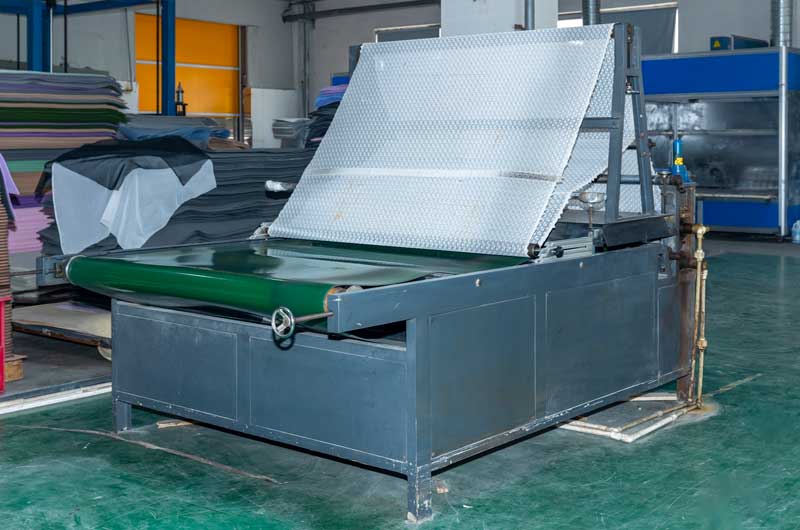
Embossing Machine Roll-Texturing
- Brief Process: After foaming, the sheet passes between a pair of heated steel rollers—one of which features an embossed texture—where heat and pressure imprint a three-dimensional pattern onto the foam surface. Unlike textures created directly in the foaming mold, this is a secondary processing step that allows for flexible pattern changes.
- Core equipment: Precision Embossing Calenders + Heating and Temperature Control System
- Suitable materials: TPE (e.g., non-slip textures on yoga mats), PVC sheet/roll flooring, XPE, and low-hardness EVA.
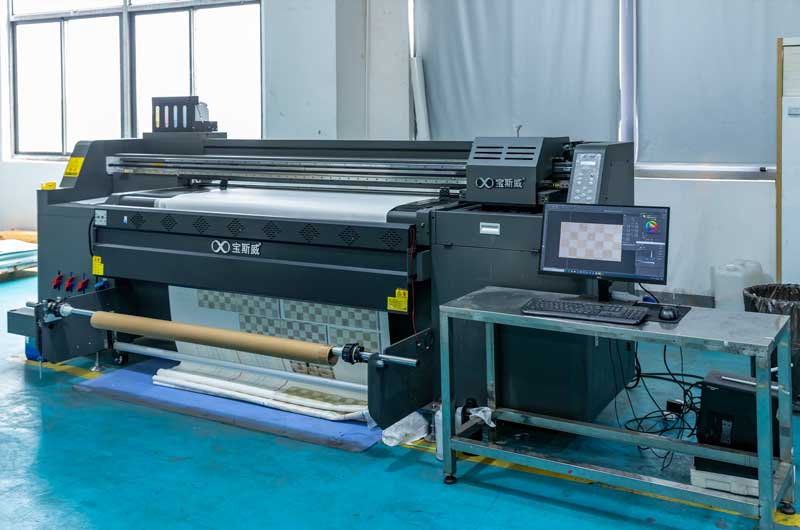
PU Pattern Printing
- Brief Process: A solid-color natural PU top layer is laminated onto the surface of a foam substrate → the material is fed into an industrial-grade wide-format printer → eco-friendly ink is used to print intricate geometric lines or a brand logo onto the PU layer.
- Core equipment: Wide-Format Industrial Inkjet Printers
- Suitable materials: Natural rubber + PU top layer (premium high-end mat), TPE + PU composite yoga mat
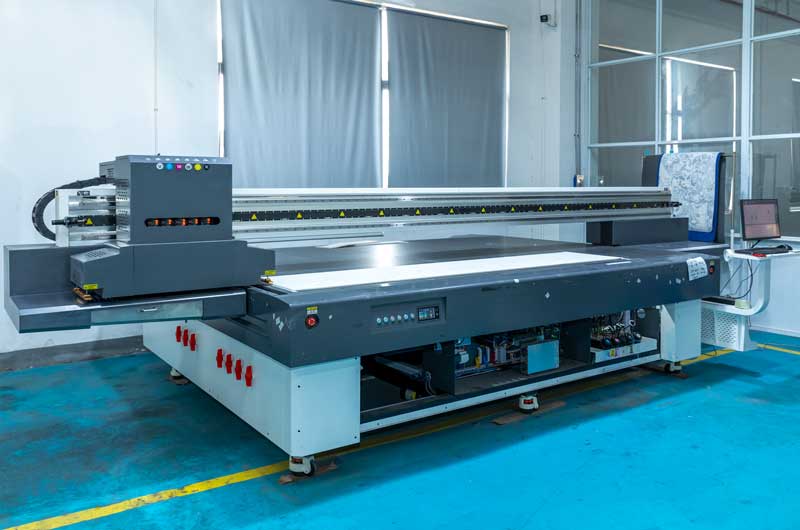
UV Flatbed Printing
- Brief Process: UV ink is jetted directly onto the foam surface via digital printheads and instantly cured by LED UV lamps. This process eliminates the need for plate-making, ensures instant drying, and results in zero VOC emissions.
- Core equipment: Industrial UV Flatbed Printers
- Suitable materials: EVA interlocking mats (small-batch, highly customized patterns), solid PVC floor mats, and TPE yoga mats (alignment lines/customized logo printing).
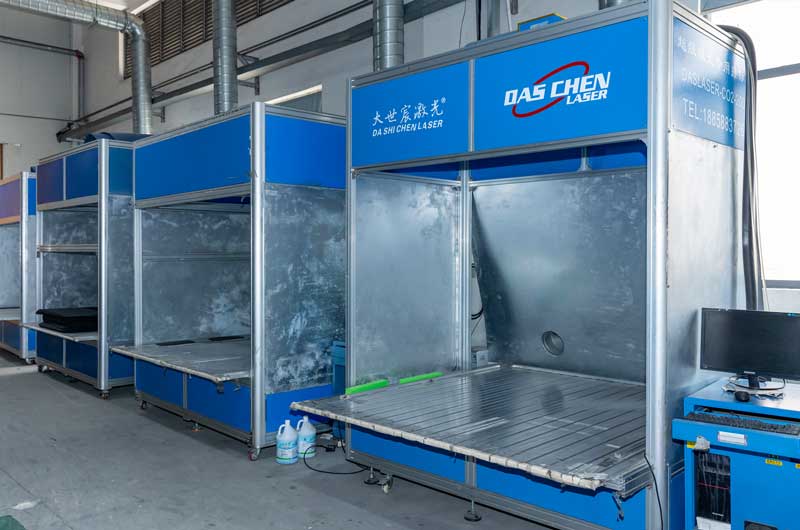
Laser Engraving / Printing
- Brief Process: A focused CO₂ laser beam is directed at the foam surface, using thermal energy to locally vaporize the material and create a permanent mark. This non-contact process offers high precision and results in sealed edges that do not shed particles.
- Core equipment:CNC Laser Engraving Systems
- Suitable materials: TPE Yoga Mat (laser-engraved alignment lines, permanent brand logo), High-density EVA Exercise Mat
- Before selecting a finish, compare foam mat surface textures for grip, cleaning and printing on samples that match the intended product construction.
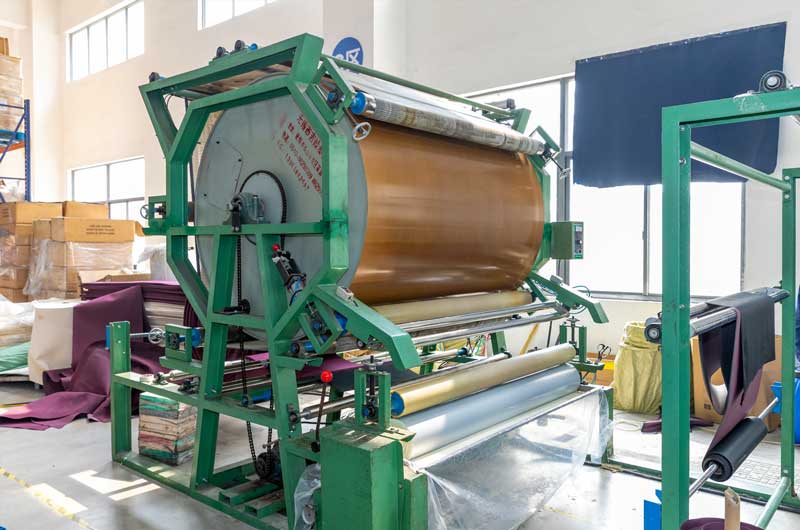
Multi-layer material composite
- Brief Process: Base materials are coated with eco-friendly adhesive using a glue roller for an even application at a micron-level thickness. They are then bonded to a top-layer material (e.g., artificial turf, carpet, or adhesive-backed release paper) using pressure rollers.
- Core equipment: Automated Precision Roller Gluing Machines + Laminating Roller Press Machines.
- Suitable materials: Various floor mats featuring EVA + TPE composite structures, EVA + fabric/carpet surfaces, and self-adhesive backings.
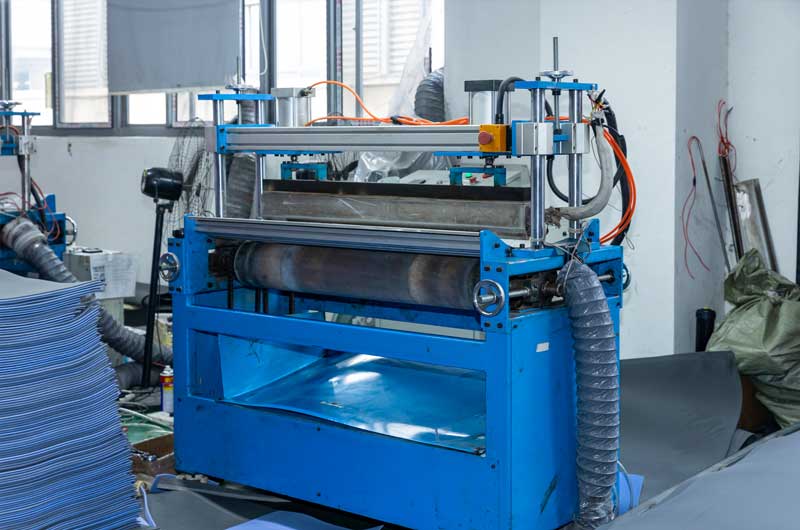
Thermal/Flame Lamination
- Brief Process: A precision-temperature-controlled heating roller or high-energy-density flame melts the surface of the foam material at the micron level, followed by high-pressure lamination with another layer (such as a colored film or fabric) to create a composite without chemical adhesives.
- Core equipment: Automated Thermal Lamination Lines、Flame Laminating Machine
- Suitable materials: XPE (color film lamination), TPE (bonding of dual-layer, dual-color yoga mats), and EVA (premium mats with carpet or fabric surfaces).
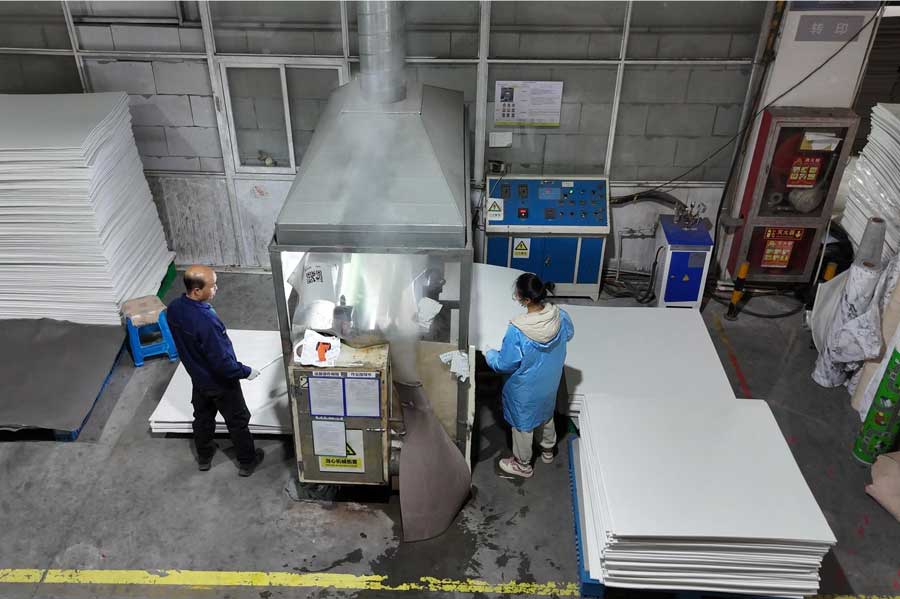
Heat Transfer Printing
- Brief Process: Thermal transfer is a precise decorative process that uses heat and pressure to transfer a pre-printed design from a release film onto a foam mat. It produces photo-quality images, complex logos, and gradient effects, resulting in strong adhesion and durability against wear, scratches, fading, and peeling.
- Core equipment: Heat Transfer Machine (Flat-bed / Roller Type)
- Suitable materials: Suitable for various foam materials such as EVA, XPE, TPE, and PVC.
NEEU Surface Treatment & Lamination Matrix (By Product Type)
NEEU applies different surface treatment technologies based on material, application, and customer requirements.
| Product Type | Surface Process | Core Equipment | Effect & Application |
|---|---|---|---|
EVA Interlocking Mats |
① Mold-Imprinted Texturing |
Hydraulic heated molding press,Laser-etched hardened steel mold |
Features superior slip resistance and wear resistance; the texture is integrally molded with the base material, ensuring it never wears away. |
② Film Lamination |
Fully Automatic Coating Machine,Varnish Coating Machine |
High-definition, realistic visuals (wood grain/marble pattern); the surface is waterproof and scratch-resistant, with no harsh plastic glare. | |
③ UV Flatbed Printing |
Industrial UV Flatbed Printers |
Features vibrant colors and a strong 3D visual effect; supports highly customized designs in small batches.
Applications: Custom-branded creative floor mats, limited-edition thickened exercise mats. | |
④ Multi-Layer Gluing |
Automated Precision Roller Gluing Machines + Laminating Roller Press Machines. |
Extremely high peel strength, enabling the perfect bonding of dissimilar materials or imparting self-adhesive properties to the mat backing. | |
⑤Thermal transfer printing |
Thermal transfer machine, thermal transfer film, gravure printing machine/digital printer |
Strong adhesion, saturated colors, and high abrasion resistance; requires specialized EVA transfer ink. | |
XPE Kids Play Mats |
Thermal Lamination |
Automated Thermal Lamination Lines、Flame Laminating Machine |
100% eco-friendly and glue-free, with zero VOC residue; features molecular-level bonding that ensures the layers never delaminate.
Applications: High-standard crawling mats and foldable play mats for infants and toddlers (compliant with European and American standards). |
Thermal transfer printing |
Thermal transfer machine, thermal transfer film, gravure printing machine/digital printer |
Excellent surface flatness and high transfer precision; suitable for intricate patterns. | |
② Embossing Roller |
Precision Embossing Calenders |
Features a delicate, comfortable texture that balances tactile stimulation with non-slip safety.
Applications: Double-sided baby crawling mats, protective wall stickers for children. | |
TPE Yoga Mats |
① Embossing Roller |
High-precision industrial embossing roller machine |
Features a premium leather-like or straw-mat texture; offers exceptional grip (COF) in both dry and wet conditions.
Applications: Professional yoga studio mats, high-end fitness mats. |
② Thermal Lamination |
Double-layer/Multi-layer Thermal Lamination Production Line |
Adhesive-free and odorless, with exceptional tear resistance; prevents delamination of the dual layers caused by sweat penetration.
Application: High-end dual-color, dual-layer yoga mats. | |
③ PU Pattern Printing |
Industrial-grade digital inkjet printer |
Photorealistic print reproduction; no plate setup required; supports low-MOQ customization; abrasion-resistant and highly sweat-resistant. | |
④ Laser Engraving |
CNC Laser Marking System |
Ink-free imaging; completely eco-friendly. Lines and brand logos are permanently durable and will never blur.
Applications: Engraving of yoga alignment lines and permanent brand logos. | |
⑤Thermal transfer printing |
Thermal transfer machine, thermal transfer film, gravure printing machine/digital printer |
Precise temperature control is required (due to the low melting point of TPE); use low-temperature transfer inks. | |
PVC Roll Mats |
① Embossing Roller |
The texture depth is highly consistent and wear-resistant, meeting the demands of high-traffic commercial environments.
Applications: Commercial gyms, public sports facilities, and shock-absorbing rolls for equipment. |
Meeting Specialized Application Requirements |
② UV Flatbed Printing |
Industrial wide UV roll material printing machine |
It enables the printing of complex wood grain and modern geometric patterns, offering exceptional color fastness and resistance to cleaning agents. | |
③Thermal transfer printing |
Thermal transfer machine, thermal transfer film, gravure printing machine/digital printer |
Good adhesion; the ink system requires adjustment based on PVC hardness and plasticizer content. |
Explore More Production Stages
Want to see how this homogeneous compound becomes a finished foam mat?
Compounding and Mixing
Learn how NEEU‘s compounding & mixing process ensures batch‑to‑batch consistency. Automated weighing (±0.1% accuracy), dust‑free environment, and digital recipe management for EVA, TPE, PVC & XPE foams.
Cutting, Shaping & Finishing
Foamed sheets are precision‑cut using CNC slitting and die‑cutting machines to exact dimensions (±0.5mm). Edge trimming, corner rounding, and interlocking teeth forming are completed here, ensuring clean geometry and seamless assembly.
Foaming Process
The homogeneous compound enters a continuous foaming oven where chemical or physical blowing agents create a uniform closed‑cell structure. This step determines the mat‘s density, resilience, and thickness tolerance (±0.3mm) – the core of its cushioning and durability.
Packaging Preparation & Final Inspection
Custom logos, patterns, or alignment guides are applied via UV printing, heat transfer, or silk screen. Printed mats are then 100% visually inspected, cleaned, and packed into private‑label boxes, poly bags, or shrink wrap – ready for shipment.
Need a specific surface finish for your foam mats?
Our finishing engineers can recommend the best texture, printing method, or lamination for your application.Why Global Brands Trust NEEU
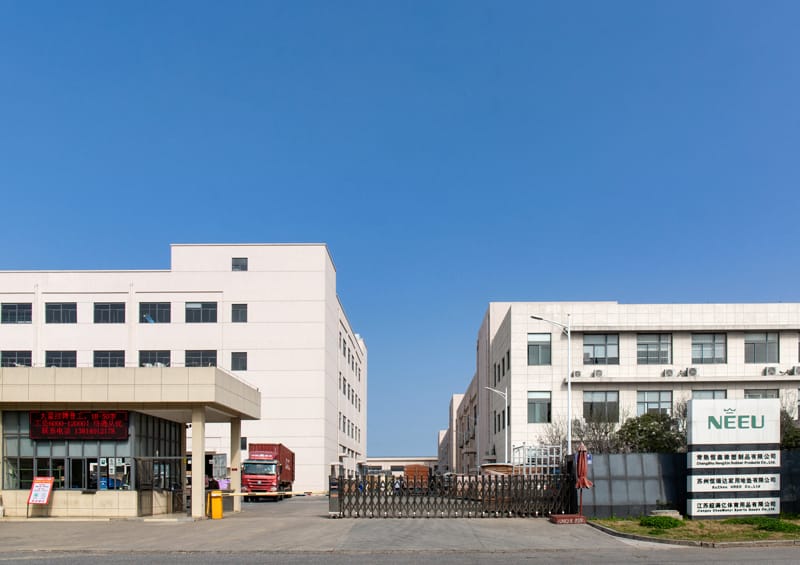
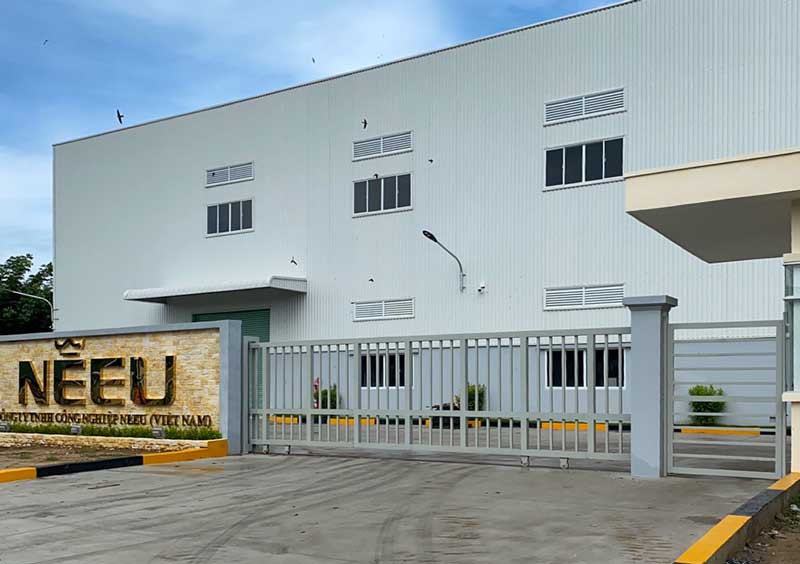
Behind every NEEU play mat is a vertically integrated manufacturing operation spanning 75,999㎡ square feet across China and Vietnam – equipped with automated foaming lines, dust-free workshops, and 620+ skilled technicians. We hold ISO 9001, BSCI, EN71, ASTM F963, CPSIA, REACH, and Walmart/Target/Disney compliance certifications that matter to European and the United States retailers. Every mat undergoes 100% final inspection for cleanliness, foreign objects, and packaging integrity. From raw material sourcing to batch traceability, NEEU delivers consistency, compliance, and scalability. Want to see our full capabilities?

Frequently Asked Questions About Surface Treatment & Lamination
What is the difference between integrated molding (texture formed during the foaming process) and post-processing embossing? Which is more durable?
A: Mold-imparted textures are formed directly during the EVA foaming process; the texture is integral to the base material and will never peel or wear off, making it suitable for gym flooring and industrial mats that require high wear resistance. Post-processing embossing (using an embossing machine) involves a secondary pressing step with heated rollers after foaming. At the same time, this allows for flexible pattern changes, the resulting texture is relatively shallow, and wear resistance is slightly lower than that of integrally molded textures. Both methods are suitable for products with moderate usage intensity, such as children’s play mats, but integral mold texturing is recommended for commercial environments subject to high-frequency foot traffic.
What are the pros and cons of film lamination and UV printing? How should you choose between them?
A:
- Lamination: Suitable for large-volume production and complex, full-color designs (such as cartoons or gradients); offers high color saturation but requires plate making and has a higher minimum order quantity (typically ≥1,000 m²); provides moderate surface wear resistance.
- UV Printing: Requires no plate making; suitable for small-batch production and personalized customization (such as brand logos or exhibition mats); capable of printing high-precision, photo-quality images with strong adhesion; however, production costs for large areas are higher than those for lamination.
- Selection Advice: Choose lamination for standardized products produced in large volumes over the long term; choose UV printing for diverse, small-batch production or rapid prototyping.
Which foam materials are suitable for laser engraving? Do they release harmful gases?
A: Laser engraving (using CO₂ lasers) is suitable for non-metallic materials such as EVA, XPE, PE, cork, and PU. As the process generates a small amount of smoke and odor, NEEU systems are equipped with fume-extraction and dust-removal units featuring activated-carbon filters, ensuring compliance with workshop environmental standards. The edges of the engraved foam are sealed by melting, preventing powder shedding—a feature that makes the process particularly well-suited for children’s products.
What is the difference between thermal lamination and multi-layer material lamination?
A:
- Thermal Lamination: Primarily utilizes heat and pressure to bond a foam layer with a film or thin fabric. Typically adhesive-free, this process is eco-friendly and odorless; it is suitable for laminating EVA or XPE with materials such as non-woven fabrics or decorative films.
- Multi-layer Material Lamination: Capable of bonding two or more distinct materials (e.g., a rigid base layer, a foam core, and a surface fabric). Often employs liquid adhesives or hot-melt adhesive films to achieve functional grading—such as a non-slip base, a cushioning middle layer, and a skin-friendly top layer. Applications include high-end yoga mats and automotive interiors.
Can embossing machines be customized for any texture? Are the mold-making costs high?
A: Yes. Embossing rollers require a steel roller to be engraved with the desired pattern; while the tooling cost is moderate (approximately $300–$1,000 per roller), the rollers have a long service life (capable of processing millions of meters), making them suitable for mass production. Compared to foaming molds, embossing rollers entail lower replacement costs and are better suited for switching between different product varieties.
Which surface treatment processes can simultaneously achieve slip resistance and colorful patterns?
A:
- Lamination + Embossing: First, apply a colored film, then emboss an anti-slip texture (note that embossing may stretch the pattern).
- Foam Mold Texture + Spot UV Printing: Apply a colored logo or text via UV printing onto a mat that already features an anti-slip texture from the molding process; the two elements do not interfere with each other.
- Digital Printing (Direct UV): Print colored patterns directly, with the option to use a textured substrate for anti-slip.
NEEU can provide integrated solutions tailored to your designs.
Does surface treatment affect the product's environmental certifications (such as REACH or EN71)?
A: All inks, adhesives, and films used in surface treatments comply with REACH, RoHS, and EN71-3 requirements. The hot-melt adhesive used for lamination is solvent-free, the UV inks are low-VOC, and the laser engraving process involves no chemical additives. NEEU can provide third-party test reports for the relevant materials.<Learn more about Certifications & Compliance>
Can the mat retain its original closed-cell, waterproof properties after surface treatment?
A: The vast majority of surface treatments do not compromise the foam’s closed-cell structure. Lamination, UV printing, and laser engraving affect only the surface and do not puncture the cells. While embossing locally compresses the foam, the closed-cell characteristics remain intact. Multi-layer lamination does not impair water resistance, provided that the adhesive is applied evenly. NEEU conducts water absorption tests on laminated products to ensure they meet the ≤0.1% standard.
Can you provide test reports on the wear and slip resistance after the surface treatment?
A: Yes. We conduct in-house testing in accordance with ASTM D4060 (abrasion resistance) and ASTM D2047 (slip resistance), and can also commission third-party reports from SGS or TÜV. The slip resistance coefficient achieves ≥0.6 in dry conditions and ≥0.5 in wet conditions.