
Non-Slip Yoga Mat: Best Grip for Sweaty & Hot Yoga (2026 B2B Sourcing Guide)
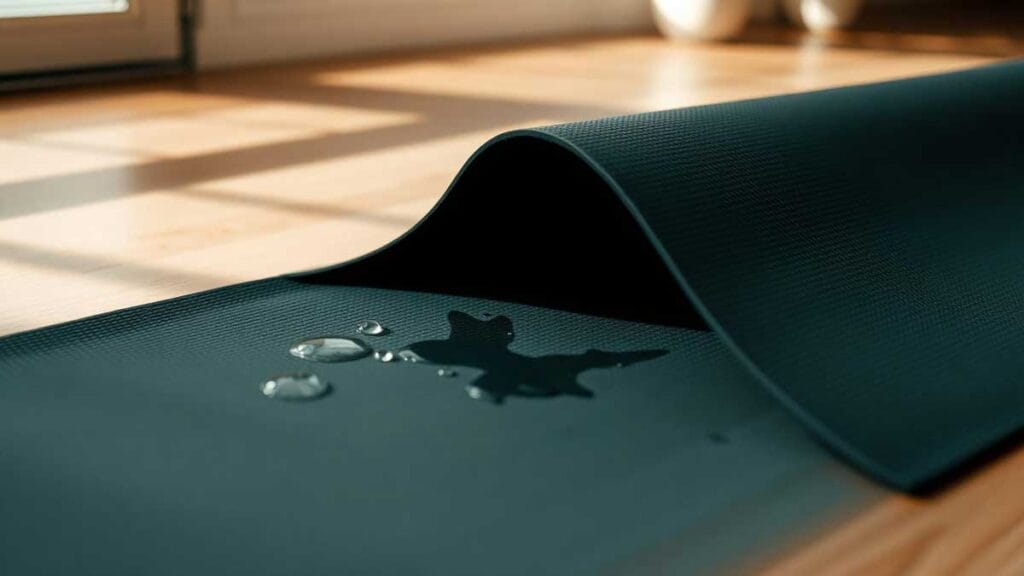
For hot yoga, power yoga, and high-sweat studio programs, “non-slip” is not a single product feature. It is the result of a complete construction: the top surface, surface texture, moisture behavior, base stability, thickness, density, and manufacturing consistency all affect how a yoga mat performs in use.
For B2B buyers, the key question is not simply which material is “best.” The practical question is:
Which yoga mat construction provides your target customer with the right balance of dry and wet grip, cushioning, durability, weight, price position, and care requirements?
This guide helps yoga brands, retailers, studios, importers, and private-label buyers define a non-slip yoga mat program before sampling or mass production.
Related resource: Explore NEEU’s Yoga Mats range for material, positioning, and program options.
What Does “Non-Slip” Mean for a Yoga Mat?
A yoga mat can slip in two different ways:
- Hands or feet slip on the top surface. This is a skin-to-mat grip issue. It becomes more important in Downward Dog, lunges, transitions, and hot yoga sessions where sweat forms on the surface.
- The mat slides across the floor. This is a base-to-floor stability issue. It depends on the bottom texture, material weight, floor type, and how flat the mat lies after unrolling.
A well-designed non-slip yoga mat must address both. A top surface may feel highly textured but still perform poorly if the base moves on a smooth studio floor. Equally, a heavy mat may remain in place on the floor while its top surface becomes slippery from sweat.
For this reason, buyers should define dry grip, wet grip, and floor stability as separate product requirements.
Why Does Sweat Change Yoga Mat Grip?
Sweat is the number-one enemy of grip, and it catches out beginners constantly. When you practice yoga hard — especially in a hot yoga class — your hands and feet produce moisture faster than a closed surface can cope with. On a standard mat with a smooth, closed top, sweat sits on the surface and turns your grippy mat into a slip hazard, which is why so many people assume they “sweat too much” when the real culprit is the mat.
The effect depends on the surface construction:
- Closed-cell foam surfaces are often easy to wipe clean and resist moisture absorption, but sweat can remain on the surface.
- Textured surfaces can improve mechanical friction by creating more contact points between the skin and the mat.
- Absorbent or moisture-responsive top layers can help manage perspiration, but they may require different cleaning, drying, and durability considerations.
- Composite constructions can separate functions: a supportive foam base can provide cushioning while the top layer focuses on feel and grip.
There is no universal wet-grip answer for every material. The finished surface construction must be assessed under the conditions under which the product is intended to serve.
Dry Grip vs. Wet Grip: Define Both Before Sampling
Many sourcing briefs use the phrase “strong non-slip performance” without defining the intended use. That makes product development unnecessarily vague.
A better brief separates the following requirements:
| Buyer Requirement | What It Means | Typical Use Case |
|---|---|---|
| Strong dry grip | Secure hand and foot contact before significant perspiration | General yoga, home practice, beginner programs |
| Reliable wet grip | Grip performance remains usable as sweat increases | Hot yoga, power yoga, high-intensity practice |
| Floor stability | The bottom surface resists movement on studio or home floors | Group classes, commercial studios, dynamic practice |
| Cushioning and support | The mat protects joints without feeling unstable | Daily practice, longer holds, sensitive joints |
| Easy-care performance | The surface can be cleaned and dried appropriately | Shared studios, retail programs, and frequent use |
For hot yoga, do not rely on dry-grip feedback alone. Ask for a sample evaluation under normal dry conditions and under the expected perspiration conditions.
How Surface Construction Affects Grip
Surface Texture
Texture affects tactile feel, visual direction, and grip. Fine patterns may create smoother skin contact, while deeper or more pronounced textures can increase friction and improve stability when facing the floor.
However, do not select texture based on appearance alone. Evaluate the pattern in relation to the selected material, density, surface treatment, and intended use.
When choosing a grip texture, also consider how the surface affects cleaning and printed details, especially for mats with alignment lines or logos.
For custom projects, buyers can specify a texture direction in the development brief and then confirm the final feel with physical samples.
Related resource: See how texture and finishing are developed in Surface Treatment & Lamination.
Top Surface Layer
The top layer contacts the user’s hands, feet, and skin. It strongly influences dry grip, wet performance, feel, cleaning needs, and perceived product value.
Depending on the target market, a yoga mat may use a textured TPE or PVC surface; a fabric- or suede-style top layer; a PU or other composite surface layer; a cork-style surface layer; or a rubber-based surface or layered construction.
Each option has trade-offs. A soft or absorbent surface may suit certain sweat-intensive uses but needs more careful drying and maintenance. A wipe-clean closed-cell surface may be more convenient for studios but may require a different texture or top-layer solution for high-sweat use.
Base Construction and Floor Contact
The bottom side of the mat provides floor stability. Consider it alongside the top surface, especially for fast transitions and dynamic flows.
Bottom texture or tread pattern, material composition, density and weight, flat-lay behavior after rolling or unpacking, and compatibility with common studio floors, wood floors, tile, and home surfaces can affect a stable base.
For retail and studio programs, include a flat-lay and edge-curl check in sample approval. A mat that performs well in a small-sample test but curls at the edges after storage can lead to avoidable customer complaints.
Material Routes for Non-Slip Yoga Mat Programs
Start material selection with the product route, not a claim that one material is best for every buyer.
TPE Yoga Mats
TPE suits lightweight, mid-to-premium yoga mat programs where cushioning, portability, appearance, and a clean, closed-cell structure matter. For high-sweat positioning, specify and test the surface texture and any composite top layer rather than assuming them.
PVC Yoga Mats
PVC can support durable and cost-conscious yoga mat programs, including high-volume studio and entry-level retail ranges. Surface texture and formulation drive dry-grip performance, while hot-yoga suitability should be assessed with actual samples and intended-use testing.
Composite Surface Yoga Mats
Composite construction lets buyers separate base support from top-surface performance. For example, a cushioning base may pair with a top layer chosen for tactile feel, visual design, or moisture behavior.
This route can help premium yoga brands differentiate through grip, alignment markings, material story, or user experience.
Cork, Rubber, Fabric, and Other Surface Options
Natural or fabric-based surface options may fit specific brand stories and hot yoga requirements. However, evaluate them for durability, odor, storage, cleaning, shedding, moisture response, and customer care expectations.
A buyer should never approve a material route from a product photo alone. Base the final decision on sample performance and how the customer perceives it.
Related resource: Review available material, surface-layer, thickness, and branding options in How to Customize Yoga Mats.
Does Thickness Affect Non-Slip Performance?
Thickness doesn’t create grip on its own, but it strongly affects stability and how users perceive it.
A very soft or thick mat can provide comfortable cushioning but may feel less stable in balance poses. A thinner mat may feel more grounded but offer less knee support. The right balance depends on the application.
| Thickness Direction | Typical Positioning | Buyer Consideration |
|---|---|---|
| Thin and portable | Travel, hot yoga, compact retail | Lower pack volume and weight; confirm support level |
| Mid-thickness | Daily yoga and studio programs | Balances cushioning and standing stability |
| Thick and comfort-focused | Gentle practice, recovery, home use | Confirm compression, stability, and roll-up behavior |
For a hot yoga program, surface grip and floor stability usually deserve priority over extra thickness. If you need extra cushioning, confirm that the selected foam density and surface construction still feel stable during standing poses.
A B2B Sample Checklist for Non-Slip Yoga Mats
Before approving a yoga mat for bulk production, buyers should confirm the following points with samples:
- Dry-hand and dry-foot grip: Test basic poses and transitions before introducing moisture.
- Sweat or wet-condition grip: Agree on a realistic evaluation approach for the intended practice environment.
- Bottom-side floor stability: Test on representative studio, wood, tile, or home flooring.
- Flat-lay behavior: Check whether the mat lies flat after rolling, packing, and storage.
- Thickness and compression feel: Confirm cushioning, rebound, and stability while standing.
- Surface wear and appearance: Evaluate texture retention, surface marks, color consistency, and edge condition.
- Odor and cleaning instructions: Confirm practical care requirements for the selected construction.
- Packaging and retail presentation: Review straps, sleeves, cartons, labels, instructions, barcodes, and carton marks.
The more precisely you agree on these points during sampling, the lower the risk of quality disputes after production begins.
Related resource: Learn how NEEU manages finished-product checks through Quality Control.
Custom Options for a Grip-Focused Yoga Mat Range
You can customize a non-slip yoga mat beyond basic material choices. B2B buyers may define:
- Material and layer construction
- Top and bottom surface textures
- Thickness, density, length, and width
- Color programs and pattern direction
- Alignment lines, logos, and printing
- Edge finishing and corner shape
- Carry straps, mesh bags, sleeves, or retail boxes
- Product instructions and care labels
- Target-market testing and documentation requirements
For a private-label hot-yoga range, define the performance target before finalizing artwork and packaging. A beautiful design cannot compensate for a surface construction that does not match the intended sweat level.
How Should Brands Position a Non-Slip Yoga Mat?
A useful positioning statement should connect the product to a specific user need.
- Textured everyday yoga mat for dry and moderate-sweat practice
- Lightweight travel yoga mat with a stable bottom surface
- Grip-focused mat for heated studio practice
- Premium composite yoga mat with alignment printing
- Studio yoga mat designed for repeated cleaning and commercial use
Avoid broad claims such as “the best non-slip yoga mat” unless supported by a clearly documented, repeatable comparison methodology. Base product-specific claims on the final material, construction, sample approval, and applicable test evidence.
How Do You Keep a Yoga Mat Grippy Over Time?
Even the best non-slip yoga mat loses grip if you don’t care for it, so maintenance matters. The most common cause of a mat going slippery is a build-up of body oils, sweat residue, and dust that clogs the surface texture. Wiping the mat after sweaty sessions and giving it a deeper clean periodically keeps the traction working like new—this alone solves most “my mat got slippery” complaints.
New rubber mats often need a break-in period. Natural rubber yoga mats can feel slightly slick out of the box because a thin layer of manufacturing residue sits on the surface; a wipe-down and a few sessions remove it, revealing the strong, dry grip underneath. Cork mats need less maintenance thanks to their naturally antimicrobial, textured surface, but still benefit from an occasional clean to clear absorbed sweat.
A few habits protect the grip long term: let the mat dry fully before rolling it, avoid harsh solvents that degrade the surface, and use a yoga towel on top during especially sweaty sessions to protect the mat and absorb sweat. Cared for this way, a quality mat keeps its grip for years — which is exactly the durability message that matters to studios and brands buying mats in volume.
FAQ
A: Dry grip refers to hand and foot traction before significant perspiration appears. Wet grip refers to performance when moisture is present. Evaluate a mat for both if you plan to do hot yoga or high-sweat practice.
A: Not necessarily. Thickness affects cushioning and stability, while the surface and base construction mainly influence grip. A thicker mat can feel less stable if it is too soft for standing poses.
A: There is no single answer for every product. The right material depends on the target customer, desired wet-grip performance, cleaning requirements, weight, cost, and final top-surface construction. Physical sample testing is essential.
A: Yes. You can specify surface texture as part of an OEM or private-label development project. Confirm the selected texture on the final material and construction, not just from a reference photo.
A: Request samples, confirm the full specification, evaluate dry and wet grip, check floor stability and flat-lay behavior, approve packaging, and confirm any destination-market compliance requirements before mass production.
A: NEEU supports yoga brands, retailers, studios, and importers with custom yoga mat development. Start with your target practice style, grip requirement, material route, size, thickness, branding, and packaging needs. The development process can then move from a defined brief to sample evaluation and production planning.
Start Your Custom Yoga Mat Project
Explore Yoga Mat Options
Contact NEEU