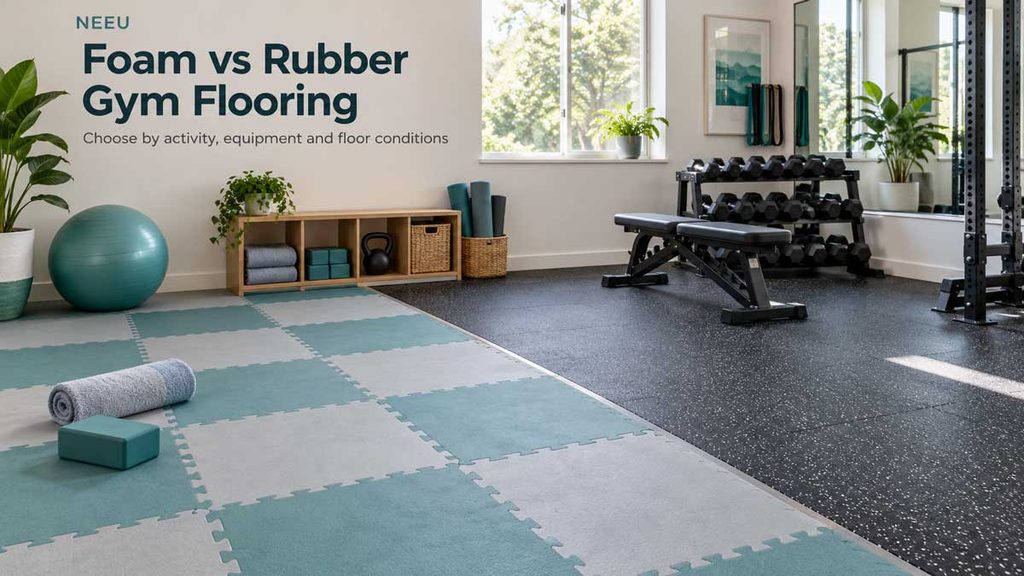
Foam vs Rubber Gym Flooring: Which Fits Your Home Gym?
Foam gym flooring suits many home workout areas, especially for stretching, mobility, and bodyweight exercises. For a permanent strength-training area,

Everything B2B buyers need to know about foam mat materials – from polymer chemistry and mechanical properties (density, hardness, resilience) to manufacturing processes (compounding, foaming, molding) and regulatory compliance (REACH, EN71, CPSIA, Prop 65). Covers EVA, TPE, PVC, XPE, NBR, and natural rubber with application‑specific guidance for children‘s play mats, yoga mats, gym flooring, and industrial padding. Technical depth and practical frameworks to support informed material decisions.
Foam gym flooring suits many home workout areas, especially for stretching, mobility, and bodyweight exercises. For a permanent strength-training area,
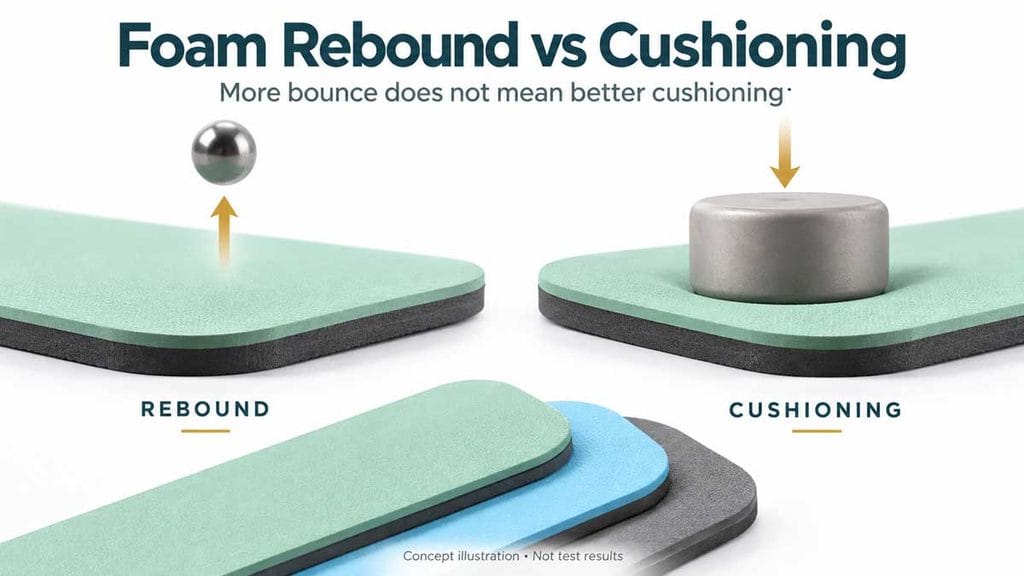
A foam mat that springs back quickly can feel responsive. But watching it recover after a hand press doesn’t show
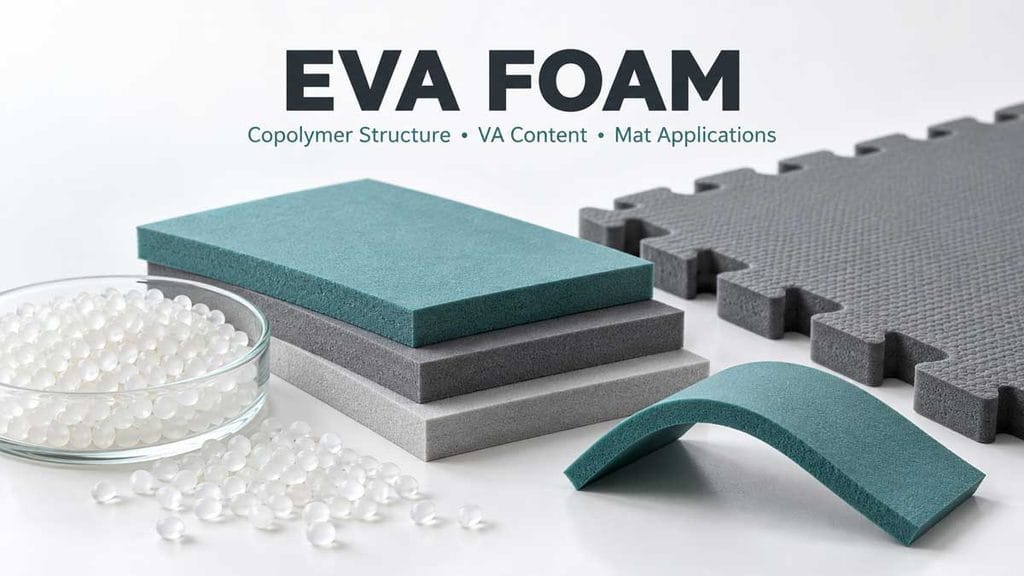
EVA Foam Explained: Copolymer Structure, VA Content, and Foam Mat Applications EVA foam starts with a resin made from two
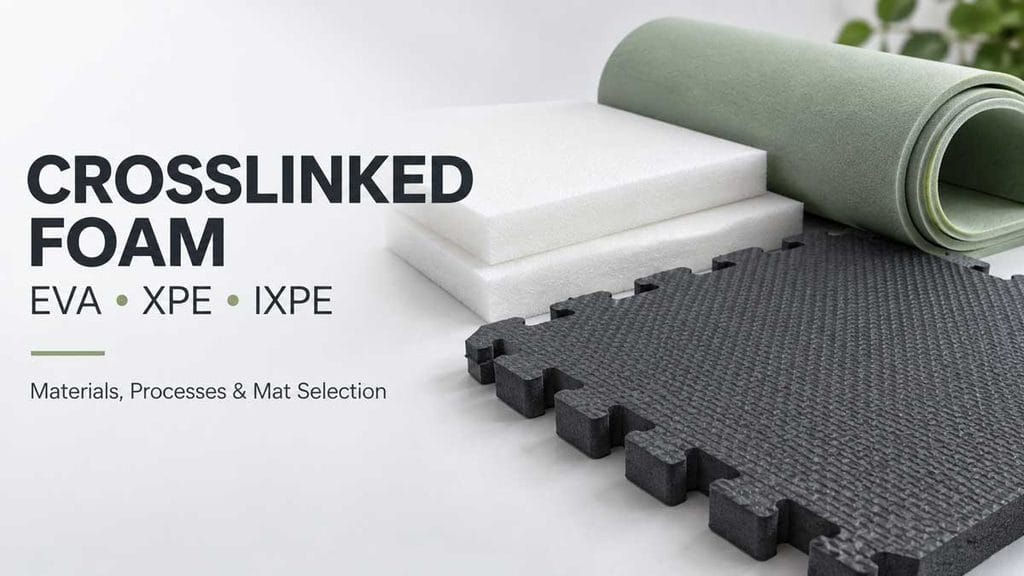
Crosslinked Foam: A Buyer’s Guide to EVA, XPE and IXPE Mats Crosslinked foam contains polymer chains joined into a network.
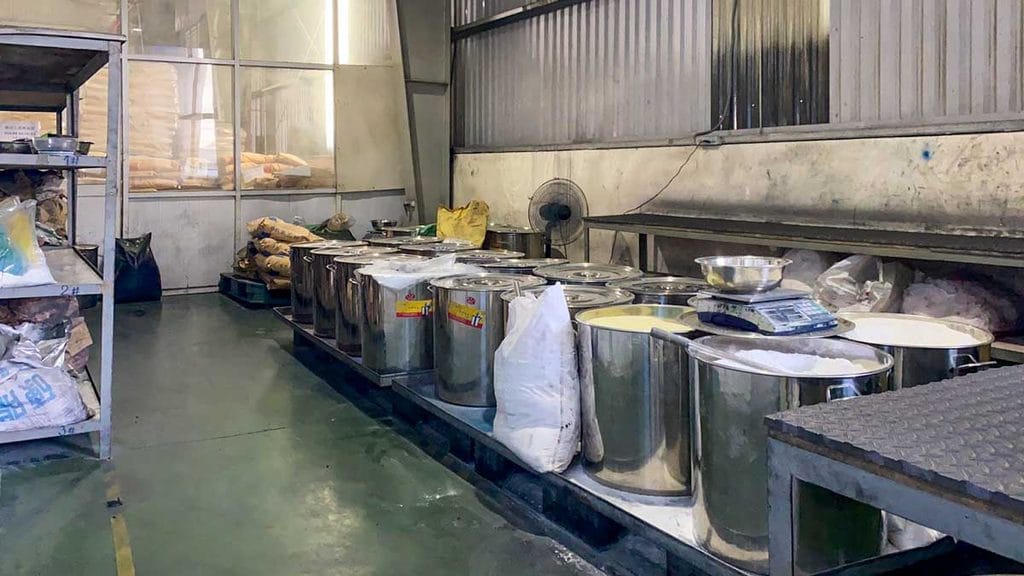
Foam Blowing Agents Explained: Types, Processes, and Mat Quality Two mats can use the same material label and thickness yet
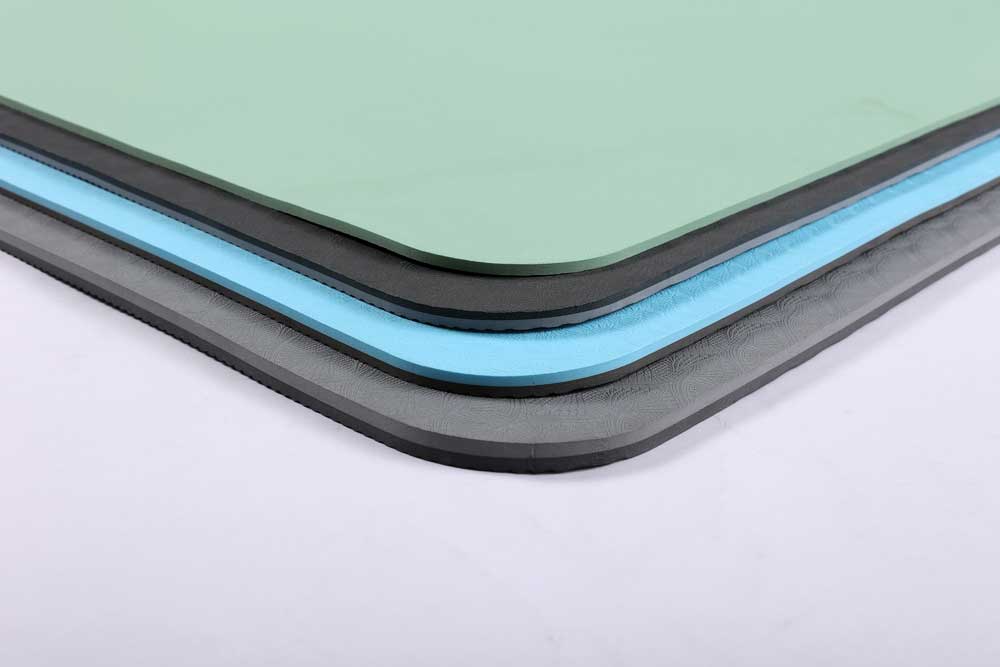
When a buyer asks for a foam mat that is “softer,” “more supportive,” or “better for impact,” the answer is
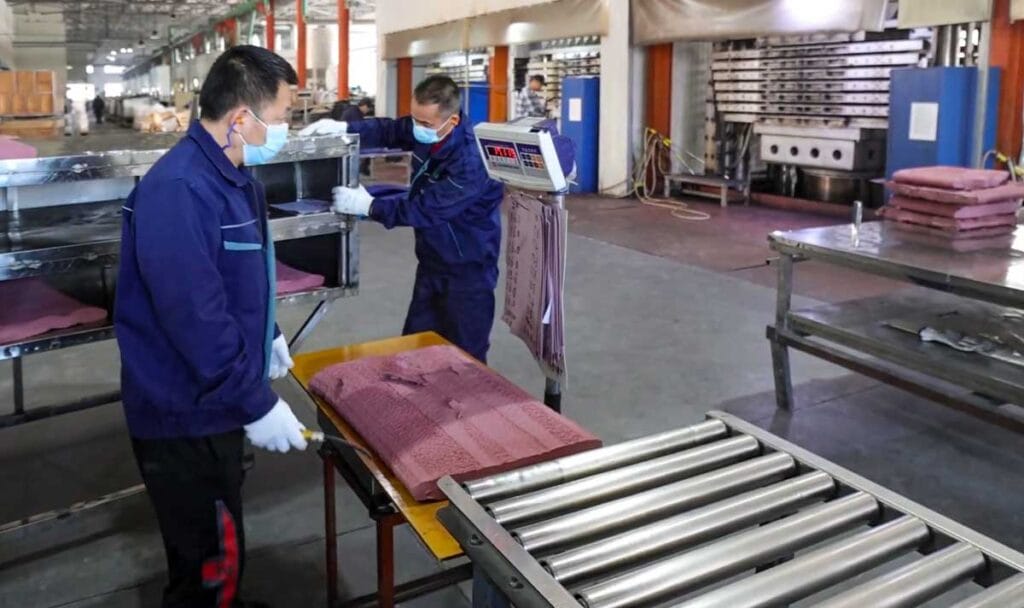
Foam density is one of the first numbers that appears in a mat inquiry. It affects material consumption, product weight,
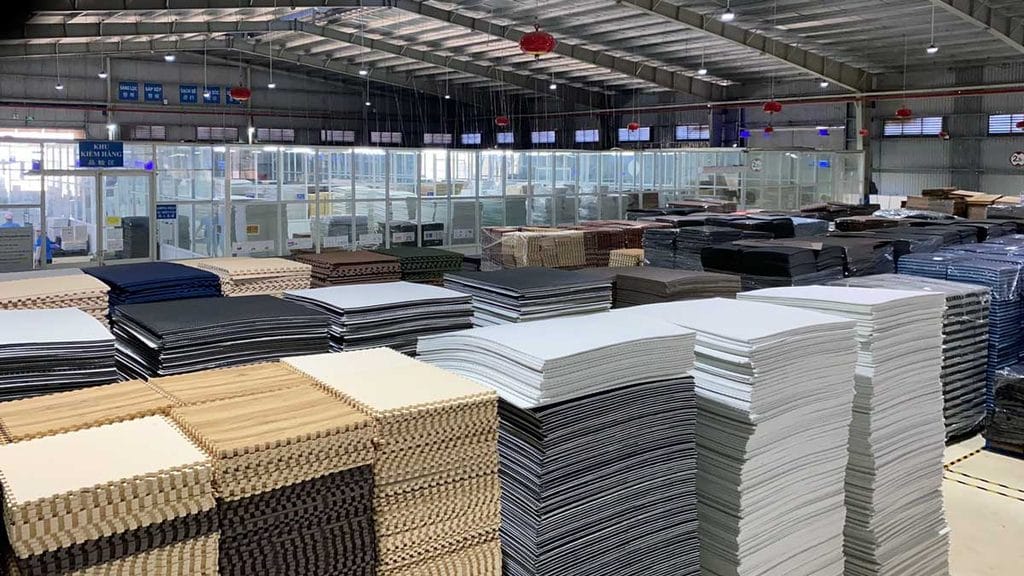
Choosing an EVA foam mat manufacturer is not simply a question of unit price. For an OEM or private-label project,

Yoga Mat Materials Compared: PVC vs TPE vs Rubber vs Cork for B2B Buyers Choosing a yoga mat material is