
Is EVA Foam in Your Play Mat Safe?

Is EVA Foam in Your Play Mat Safe? Discover the truth about EVA foam safety in play mats. Learn if your child’s play mat is eco-friendly & safe.
Is EVA Foam Toxic or Safe?
EVA foam is generally considered safe and non-toxic when manufactured properly. Concerns arise from additives such as formamide used by some manufacturers.
The safety of EVA foam products depends on production quality. Harmful substances may be added during manufacturing.
What is EVA Foam Made Of?
EVA foam stands for ethylene-vinyl acetate foam. It’s a copolymer made by combining ethylene and vinyl acetate in different ratios.
The base material is a chlorine-free plastic, which makes it different from PVC. Most EVA foam contains between 5% and 40% vinyl acetate content.
Higher vinyl acetate levels make the material softer and more flexible. The core ethylene-vinyl acetate copolymer is non-toxic in its pure form.
Manufacturers often add other substances during production. These additives can include:
- Blowing agents to create the foam structure
- Colorants for different shades
- Plasticizers to adjust flexibility (though EVA needs fewer than PVC)
- Flame retardants for fire resistance
A chemical called formamide is sometimes used as a blowing agent in the production of EVA foam. This substance can off-gas from finished products and is a probable carcinogen.
Not all manufacturers use formamide, and formamide-free options exist.
Inherent Toxicity of EVA Foam
Inherent Toxicity of EVA Foam
Pure EVA is a closed-cell foam that’s considered safe and doesn’t release harmful fumes or toxins under normal conditions. The foam itself won’t cause skin irritation or allergic reactions for most people.
The main safety concern with EVA foam is toxic additives rather than the base material. Formamide is the most discussed issue.
Some foam mats and children’s products can release this gas at room temperature through off-gassing. Prolonged contact or exposure to high levels of formamide may lead to developmental harm, though the risk from brief or limited contact with EVA remains low.
Other potential risks arise from poor-quality products containing phthalate plasticizers or other harmful additives. Reputable manufacturers now produce items free of phthalates and other concerning chemicals, such as formaldehyde.
Chemical exposure depends on several factors. New EVA foam products may off-gas more initially.
Extended periods of direct contact in poorly ventilated spaces increase exposure. High temperatures can cause more substances to be released from the material.
Products that meet safety standards undergo testing to ensure minimal chemical release. NEEU employs a specialized, eco-friendly foaming formula to consistently maintain formamide levels at <30 ppm—or even 0 ppm—standards that are far more stringent than the compliance requirements set by the EU’s EN71 and the US’s ASTM.
Common Uses of EVA Foam
EVA foam is commonly used in products you encounter daily. The material found its way into numerous applications because it’s lightweight, durable, and provides good cushion properties.
Children’s Items:
- Play mat and foam play mat sets for babies and children
- Foam tiles and puzzle mats for tummy time
- Children’s toys and bath toys
- Protective pad options for nurseries
Athletic and Recreation: - Yoga mats and exercise pads
- Sports equipment padding
- Cosplay armor and props
- Shoe insoles and footwear
Household Products: - Package cushioning material
- Protective cases
- Craft supplies
EVA is often used in these applications because it’s easy to clean, water-resistant, and absorbs impact well. For items like play mats, where babies and children have prolonged contact, choosing safe, non-toxic options is critical.
The foam’s closed-cell structure makes it resistant to moisture and prevents substances like mold from growing. This property makes EVA mats more popular than natural materials like organic cotton or cork, which can harbor bacteria.
Contact with EVA foam happens frequently in everyday life. Products like shoe insoles mean you have prolonged contact with EVA foam.
Foam play mat products used in everyday life put young children and toddlers in direct contact for hours. Look for non-toxic play mats and products made without formamide, especially for babies and children who may put items in their mouths.
Potentially Harmful Chemicals in EVA Foam
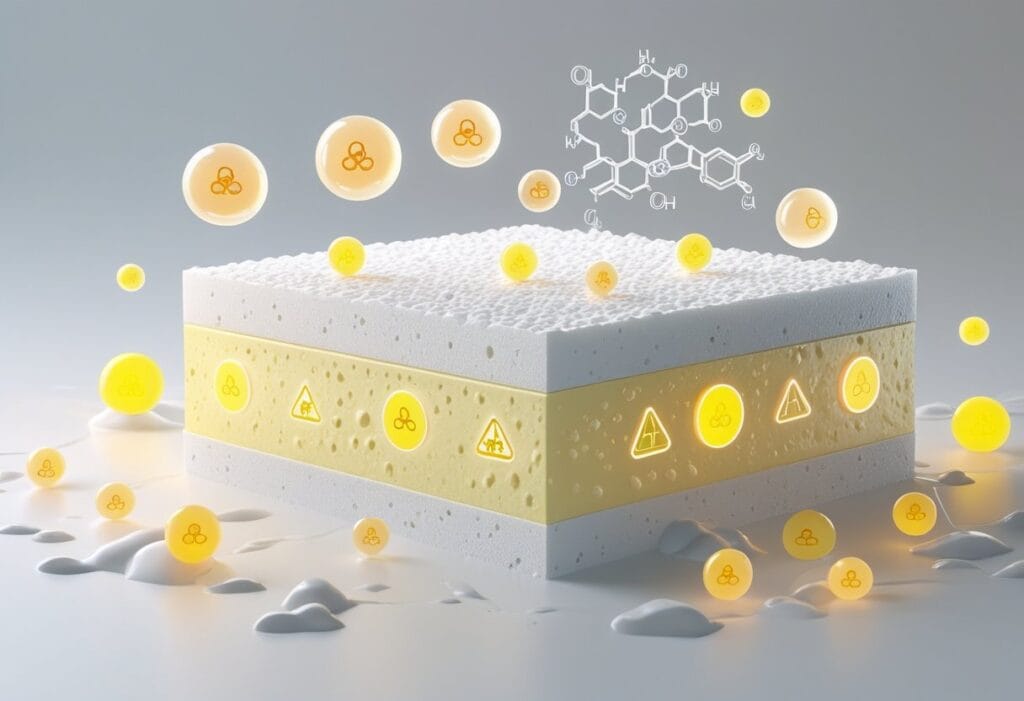
EVA foam can contain several chemical additives that raise health concerns, particularly formamide used during manufacturing, phthalates that make the material flexible, and heavy metals found in dyes and colorants. The safety of EVA foam products depends heavily on manufacturing standards and the specific additives used.
Role of Formamide in Manufacturing
Formamide is a chemical commonly used in the production of EVA foam to improve texture and flexibility. This chemical can off-gas from foam products, especially new play mats and foam tiles.
As a probable carcinogen, formamide poses particular risks with prolonged contact or exposure. Some manufacturers use formamide as a blowing agent during production.
The substance can remain in finished products and slowly release into indoor air over time. Contact with EVA foam containing high levels of formamide may cause skin irritation or respiratory issues.
Many children’s products, such as play mats, now use amide-free materials due to stricter safety standards in recent years. Cheaper products from manufacturers without rigorous testing may still contain significant amounts.
The foam’s off-gassing typically decreases over time. This doesn’t eliminate the risk.
Presence of Phthalates and Other Additives
Phthalates serve as plasticizers in EVA foam products to keep the material soft and prevent it from becoming brittle. These additives function as endocrine disruptors that can interfere with hormone production in your body.
Free-from-phthalates labels indicate safer options, though not all EVA foam mats clearly disclose their chemical composition. Direct contact with EVA foam containing phthalates allows these substances to transfer through your skin.
This becomes particularly concerning for babies and children who spend extended periods on foam play mat surfaces during tummy time or play. Other harmful additives may include stabilizers and processing agents that improve durability and performance.
Products that meet current safety standards typically limit or eliminate these chemicals. Regulations vary by country and aren’t always enforced.
Heavy Metals and Colorants
Brightly colored EVA foam products often contain synthetic dyes that may contain heavy metals such as lead, cadmium, or chromium. These toxins accumulate in your body over time and have no safe exposure level.
Even small amounts can cause developmental harm in children and health issues in adults. Lead exposure from colorants in children’s toys and foam tiles affects cognitive function and growth.
Cadmium can damage the kidneys and bones. The vibrant colors that make foam products attractive may indicate higher concentrations of these harmful substances.
Trusted brands that test their products typically use safer, metal-free dyes. Products made without these additives cost more but significantly reduce your chemical exposure.
Neutral-colored EVA foam products generally contain fewer colorants and present lower risks than brightly colored alternatives.
Off-Gassing and VOC Emissions
EVA foam products release volatile organic compounds into the air, with emissions peaking in the first few weeks after manufacturing. The intensity and duration of off-gassing depend on the specific manufacturing process and any additives used.
Off-Gassing Timeline After Unboxing
When you first unbox a new EVA foam play mat or pad, you’ll likely notice a distinct chemical smell. This is the result of volatile organic compounds evaporating from the material.
The off-gassing process is most intense during the first three months, with the highest concentration of VOCs released in the initial days and weeks. Most emissions dissipate within 3 to 7 days when the product is properly ventilated.
Place your new foam play mats outside or in a well-ventilated room before allowing babies and children to use them. This simple step allows most VOCs, including any residual formamide, to escape into the open air rather than into your indoor air.
After the first few months, off-gassing continues at much lower levels. Some EVA foam products can continue releasing trace amounts of chemicals for up to five years, though these levels typically fall well below safety thresholds.
Products that meet current safety standards release fewer harmful substances throughout their lifespan.
Exposure Risk Factors for Children and Adults‘
Children face higher risks from EVA foam safety concerns than adults do. Their smaller body size means chemical exposure has a greater impact per pound of body weight.
Babies and children also spend more time in direct contact with foam mats during tummy time and play, increasing their exposure duration. The main risk factors include prolonged contact with foam tiles, poor ventilation in play areas, and higher temperatures that accelerate VOC release.
Indoor air pollution from off-gassing can cause respiratory irritation, headaches, and skin reactions in sensitive individuals. Products containing formamide pose the greatest concern, as this substance acts as a reproductive toxin and suspected carcinogen.
Look for formamide-free options and products that meet safety standards to minimize chemical exposure. Foam play mat options free from phthalates and other harmful additives provide better protection for children’s products used in everyday life.
Safety Regulations and Standards
EVA foam products must meet specific safety standards that limit harmful substances like formamide and ensure the material is safe for children. Certifications from recognized organizations help you identify products that comply with these regulations.
Toy Safety Directive and International Guidelines
The Toy Safety Directive in Europe sets strict limits on formamide levels in children’s products made from EVA foam. This chemical is used to soften EVA foam, but high levels can release an irritating gas.
The directive requires that foam play mats and toys contain less than 200 mg/kg of formamide. In the United States, the ASTM F963 standard covers toy safety and addresses chemical exposure risks.
Products sold to you must be tested for harmful substances before reaching store shelves. The Consumer Product Safety Commission also monitors EVA foam products to ensure they are safe for children.
International guidelines from organizations such as ISO help manufacturers produce formamide-free EVA foam. These standards protect babies and children from prolonged contact with harmful additives.
Countries worldwide have adopted similar rules to ensure the safety of EVA foam used in everyday life.
Certifications for Non-Toxic EVA Foam
CE certification indicates that EVA foam products comply with European health and safety requirements. This mark confirms the item has been tested for harmful substances and is considered safe for your child.
ASTM certification indicates compliance with American safety standards for children’s toys and play mats. Products with this label have passed rigorous testing for chemical exposure.
Look for these additional certifications when shopping:
- ROHS: Restricts hazardous substances in materials
- FDA: Approves EVA foam for food contact applications
- CertiPUR-US: Ensures foam is free from phthalates and formaldehyde
- GREENGUARD: Verifies low chemical emissions and better indoor air quality
Trusted brands display multiple certifications on their packaging. These marks help you identify non-toxic EVA foam products that protect your family from potential risks while providing the cushion and durability you need.
EVA Foam in Children’s Products
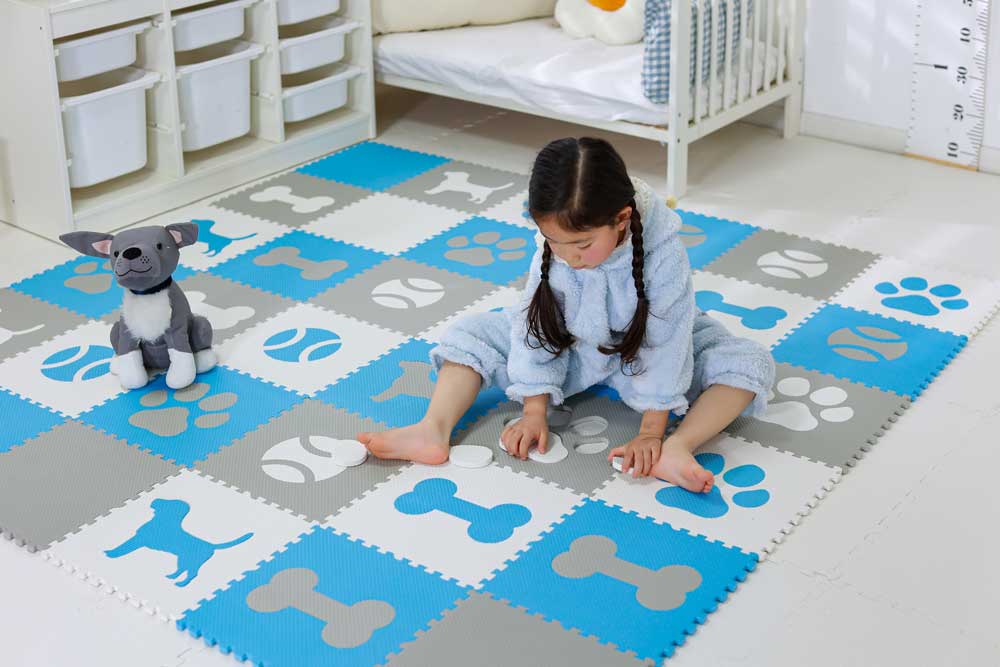
EVA foam appears in many children’s products, from play mats to toys. Parents need to understand both the benefits and concerns related to formamide content and physical safety when selecting these items.
EVA Foam Play Mats and Puzzle Mats
EVA foam play mats and puzzle mats serve as cushioned surfaces where babies and children spend hours playing each day. These foam mats often connect like puzzle pieces to cover larger floor areas.
The soft pad protects your child from hard floors during tummy time and early crawling stages. The primary concern with foam play mats is formaldehyde, a chemical used during manufacturing to make the material soft and flexible.
New puzzle mats release this chemical through off-gassing, which means formamide evaporates into indoor air. Your child can come into contact with EVA foam through skin contact, breathing, or mouthing the mat.
European standards limit formamide levels to 200 milligrams per kilogram in foam tiles marketed to children. Products labeled as formamide-free typically fall below this threshold.
You should air out new EVA foam mats outdoors for several days before use to reduce chemical exposure from initial off-gassing.
Safety of EVA in Toys and Baby Items
EVA foam appears in children’s toys, building blocks, shoe insoles, and sports equipment because it provides good cushioning without the phthalate additives found in PVC alternatives. The material is considered safe when products meet safety standards and remain free from harmful substances.
Physical risks require attention beyond chemical concerns. Small pieces that break off from worn EVA foam products create choking hazards for babies and toddlers who explore objects with their mouths.
You need to inspect the foam’s edges and surfaces regularly for tears or fragments. Products that meet ASTM F963 standards or carry CE marks indicate third-party testing for both chemical content and physical safety.
Trusted brands now manufacture non-toxic play mats without the chemical called formamide or with levels well below regulatory limits. When selecting children’s products made from ethylene-vinyl acetate, look for certifications and check that items remain intact through regular wear.
Guidance for Consumers
Choosing safe EVA foam products requires checking for third-party certifications and formamide-free labels. New items should be aired out before use to reduce any potential off-gassing.
How to Choose Safe EVA Foam Products
Look for products that display formamide-free certifications on their packaging. Third-party testing labels such as CertiPUR-US or REACH compliance indicate that the EVA foam meets safety standards for chemical content.
Check the manufacturer’s reputation and avoid purchasing extremely cheap foam products, as low-cost items may contain harmful additives or use formamide as a blowing agent. Trusted brands typically provide clear information about their materials and testing.
For children’s products like play mats or foam tiles, prioritize options labeled non-toxic and phthalate-free. These certifications confirm that the product is safe for prolonged skin contact.
Read customer reviews that mention odor or chemical smell, as these can signal quality issues. Consider alternatives made from natural materials, such as cork or organic cotton, for play mat applications if you want to avoid plastic-based products entirely.
Quality EVA foam that meets safety standards remains a durable material suitable for babies and children when properly manufactured.
Precautions When Using New EVA Foam
Allow new EVA foam products to air out in a well-ventilated space for 24 to 48 hours before use. This practice helps reduce any mild odor from the manufacturing process and minimizes potential exposure to volatile organic compounds.
Unpack foam mats, cushions, or pads outdoors or in a garage when possible. If indoor unpacking is necessary, open windows and use fans to improve air circulation during the initial off-gassing period.
Wipe down the surface of new EVA foam products with a damp cloth before first use, especially for items intended for tummy time or direct contact with children. This removes any manufacturing residue or dust.
Monitor for any signs of skin irritation or allergic reactions during initial use, particularly with prolonged contact items like yoga mats or protective gear. Discontinue use if redness or discomfort occurs.
Avoid exposing EVA foam to high temperatures or direct heat sources, as this can degrade the material and potentially release unwanted substances.
Alternatives to EVA Foam
Several safe options exist if you’re concerned about EVA foam safety and want to avoid potential exposure to formamide or other chemicals. Natural materials and certified products offer peace of mind without sacrificing comfort or durability.
Non-Toxic and Natural Material Options
Natural rubber mats provide excellent cushioning and grip without the chemical concerns of EVA foam. These mats come from rubber trees and don’t contain formamide, phthalates, or formaldehyde.
They’re durable and ideal for play mats or exercise areas. Organic cotton mats offer a soft, breathable surface that’s safe for babies and children.
You can wash them easily, and they’re free from harmful additives. They work well for tummy time and children’s products.
Cork mats are naturally antimicrobial and provide good cushioning for yoga or play. Cork is a sustainable material that doesn’t off-gas chemicals.
It’s firm but comfortable enough for extended periods of use. Wool felt pads give you a natural, non-toxic cushion that’s safe for direct contact with skin.
Wool naturally resists moisture and bacteria without chemical treatments.
Certifications to Look For
Look for CertiPUR-US certification, which guarantees products are free from phthalates, formaldehyde, and heavy metals. This certification also ensures low volatile organic compound emissions.
GREENGUARD Gold certification means the product meets strict chemical exposure limits and is safe for children. Products with this label won’t release harmful substances into indoor air.
GOTS (Global Organic Textile Standard) certification applies to organic cotton and natural fiber products. It ensures materials are grown and processed without toxic chemicals.
Oeko-Tex Standard 100 certification tests for harmful substances and ensures the final product is safe for direct contact with skin. This applies to fabric-based mats and pads.
Check for “formamide-free” labels specifically when shopping for foam play mats or puzzle mats, as formamide is a common concern in EVA foam products.
Frequently Asked Questions
EVA foam safety concerns range from chemical exposure risks and heating precautions to regional restrictions, pet safety, use around young children, and environmental pollution.
High-quality EVA foam products are generally considered safe for normal use. The main health concern with some EVA foam products involves formamide, a chemical substance sometimes used as a blowing agent during manufacturing.
Formamide can off-gas from certain foam mats and foam tiles, especially lower-quality products. Studies have linked high levels of formamide to potential developmental harm and toxicity.
However, products that meet safety standards typically contain minimal or no formamide. Most reputable EVA foam products are free from phthalates and other harmful additives.
You might experience mild skin irritation if you have sensitivities, but this is uncommon with certified products. Contact with EVA foam that meets regulatory requirements poses minimal health risks for most people.
Heating EVA foam requires proper ventilation and temperature control. When you heat this material for cosplay projects or crafting, keep the temperature below the point at which the foam begins to degrade or burn.
High temperatures can cause EVA foam to release fumes that may irritate your respiratory system. Always work in a well-ventilated area or use an exhaust fan when making EVA foam crafts that require heat.
Avoid direct contact with heated surfaces until the material cools. Never burn EVA foam or expose it to open flames.
Use a heat gun at safe distances and wear protective gloves when handling warm foam. Working outdoors or near open windows reduces your exposure to any gas released during the heating process.
No major countries have implemented complete bans on EVA foam itself. However, several regions have restricted certain chemicals used in EVA foam products, particularly formamide in children’s products and play mat items.
The European Union has set strict limits on formamide levels in foam play mat products marketed to babies and children. France enacted regulations requiring puzzle mats and similar items to contain less than 200 mg/kg of the chemical formamide.
Belgium has also implemented restrictions on products such as play mats that contain high levels of formamide. The United States regulates EVA foam products through safety standards enforced by the Consumer Product Safety Commission.
These rules target harmful substances in children’s toys and children’s products rather than banning the material entirely. Japan and South Korea have similar restrictions focused on formamide-free products for young users.
EVA foam products pose minimal risk to pets under normal circumstances. If your cat or dog chews on EVA foam items, the material itself is non-toxic and typically passes through their digestive system without causing harm.
The main concern involves potential choking hazards or intestinal blockage if your pet swallows large pieces. Small amounts of EVA foam are unlikely to cause serious problems.
However, some EVA foam mats or pads may contain additives that could cause a mild stomach upset. Prolonged contact with low-quality foam products may expose pets to formamide and other chemicals via skin absorption or inhalation.
Choose formamide-free options if you use EVA foam as pet bedding or in areas where your animals spend extended periods. Monitor your pets around foam tiles or cushion materials and contact your veterinarian if they ingest substantial amounts.
EVA foam contributes to plastic pollution as a synthetic material made from ethylene and vinyl acetate. Unlike biodegradable natural materials, this copolymer persists in the environment for many years after disposal.
When EVA foam products break down due to wear and exposure to the elements, they can create microplastic particles. These tiny plastic fragments enter water systems and soil, contributing to broader pollution problems.
The closed-cell structure of EVA foam means it doesn’t readily decompose or break down. Manufacturing EVA foam requires petroleum-based resources and energy.
While producing EVA foam generates less air pollution than PVC manufacturing, it still has environmental costs. The material is not currently widely recyclable through standard municipal programs.
Some manufacturers now produce eco-friendly EVA foam alternatives or recycling programs, though these remain limited. Consider products made from natural rubber, latex, or other sustainable materials if environmental concerns are your priority.