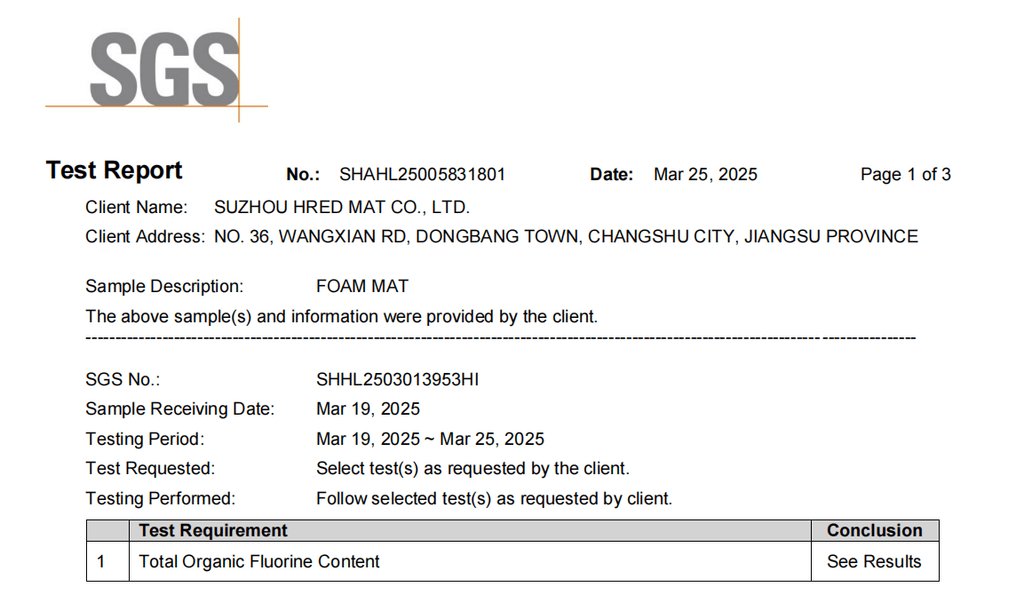
How to Read a Foam Mat Test Report: Density, Hardness, Compression, and Tear
A supplier sends a foam mat test report with four results: density, hardness, compression set, and tear strength. Each result

A supplier sends a foam mat test report with four results: density, hardness, compression set, and tear strength. Each result
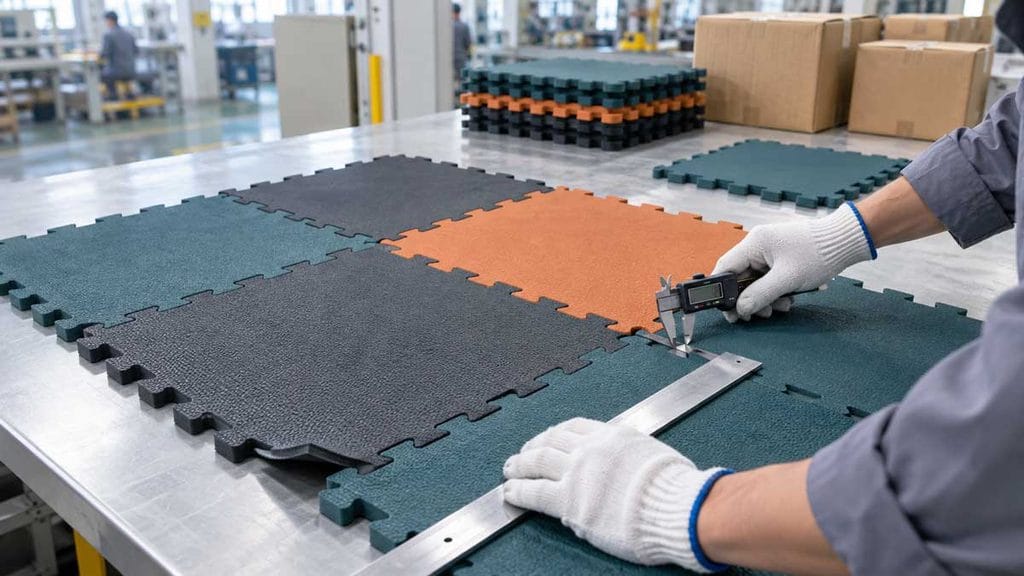
An interlocking mat can match its drawing at the cutting station yet still arrive with gaps, tight joints, or corners
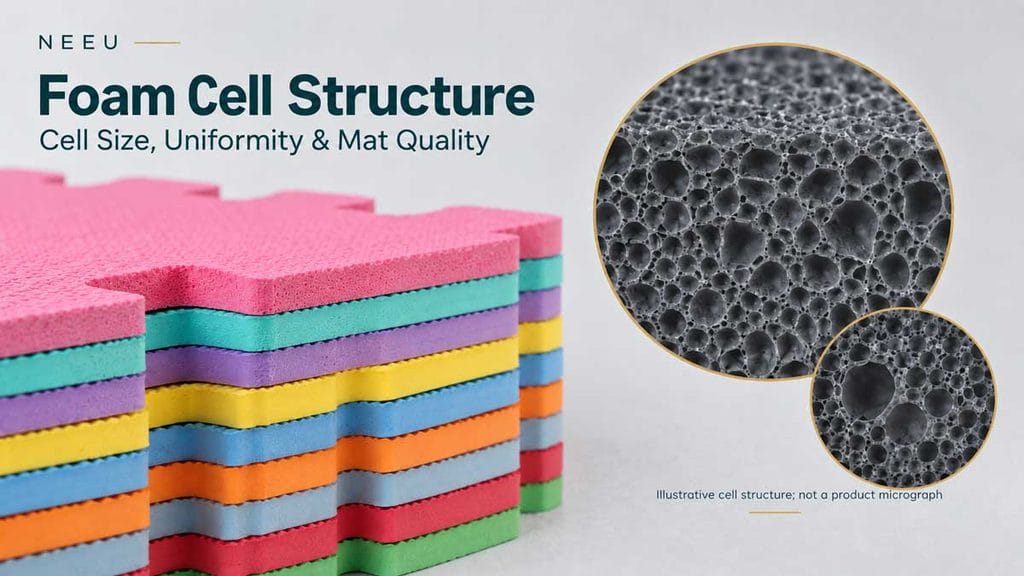
Cut two foam mats in half, and their cores may look quite different. One may show closely spaced cells with
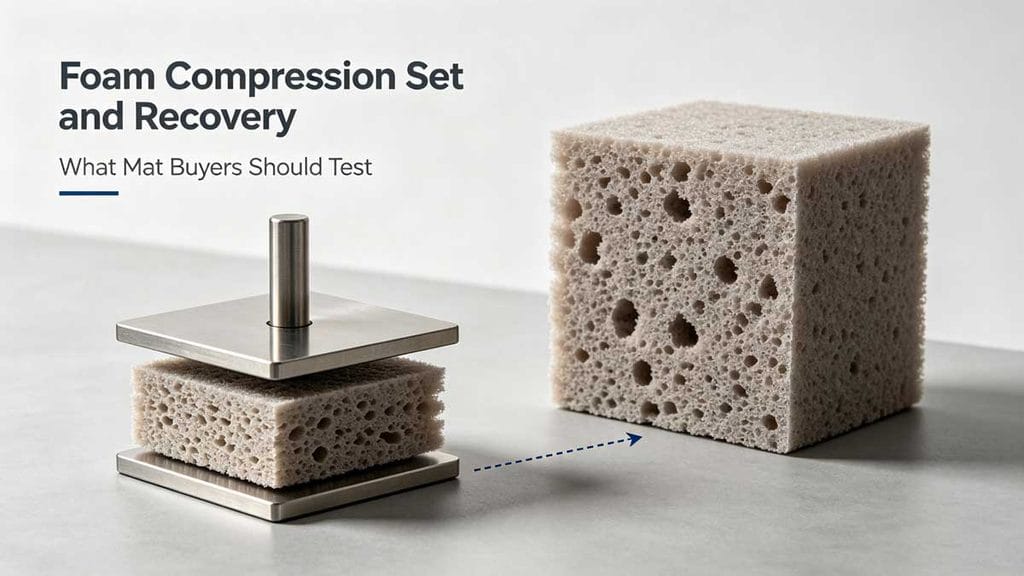
A foam mat can feel supportive when new, but it may develop a lasting dent after weeks of use under
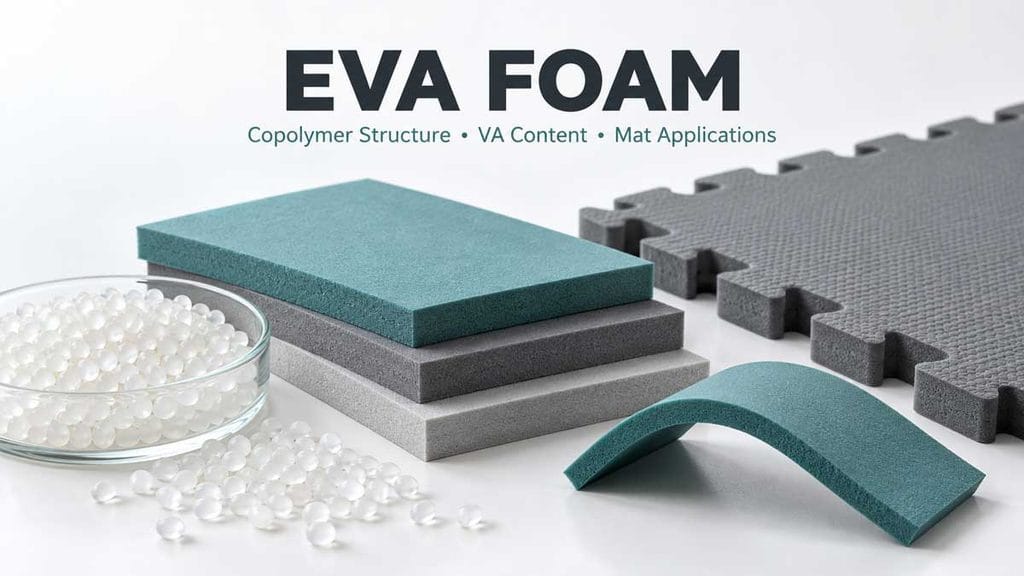
EVA Foam Explained: Copolymer Structure, VA Content, and Foam Mat Applications EVA foam starts with a resin made from two
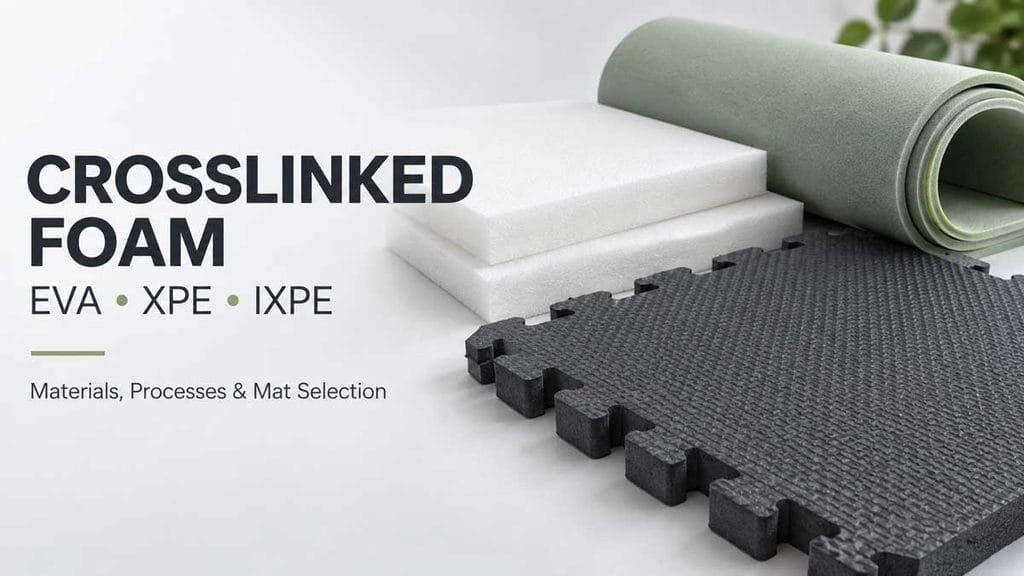
Crosslinked Foam: A Buyer’s Guide to EVA, XPE and IXPE Mats Crosslinked foam contains polymer chains joined into a network.
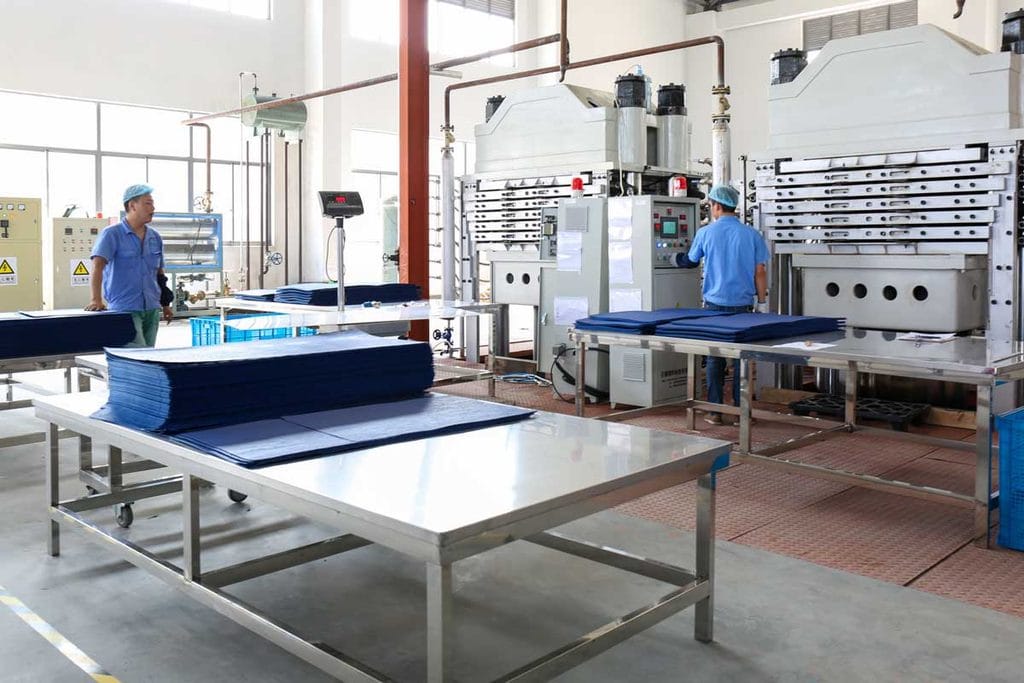
Foaming Methods Explained: Mechanical, Physical, and Chemical Foaming A foam mat begins with a material that can expand around gas

Formamide in Foam Mats: What B2B Buyers Need to Know Before comparing formamide results from two suppliers, check the samples.
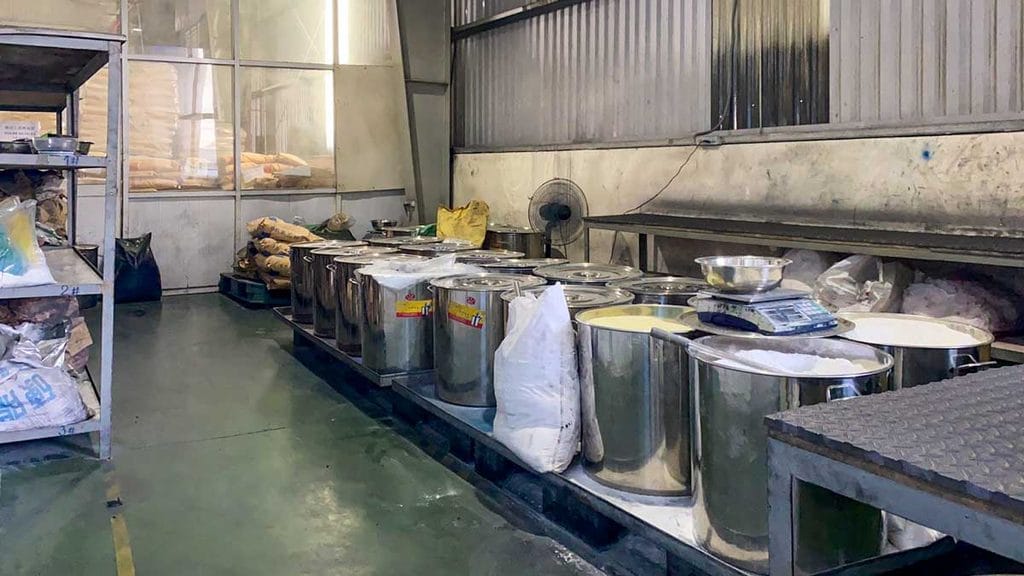
Foam Blowing Agents Explained: Types, Processes, and Mat Quality Two mats can use the same material label and thickness yet
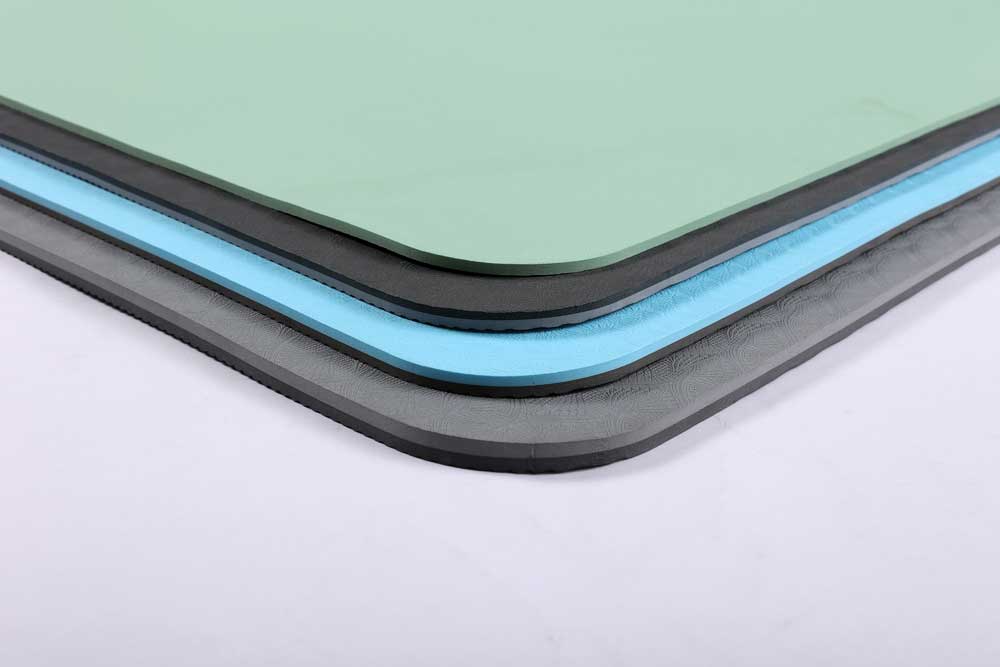
When a buyer asks for a foam mat that is “softer,” “more supportive,” or “better for impact,” the answer is