Custom Foldable Mats: The Smart Choice for Portability & Performance
Certified Materials. Endless Applications. Made in NEEU’s ISO & BSCI Certified Facilities.
What Are Foldable Mats? Definition & Key Advantages
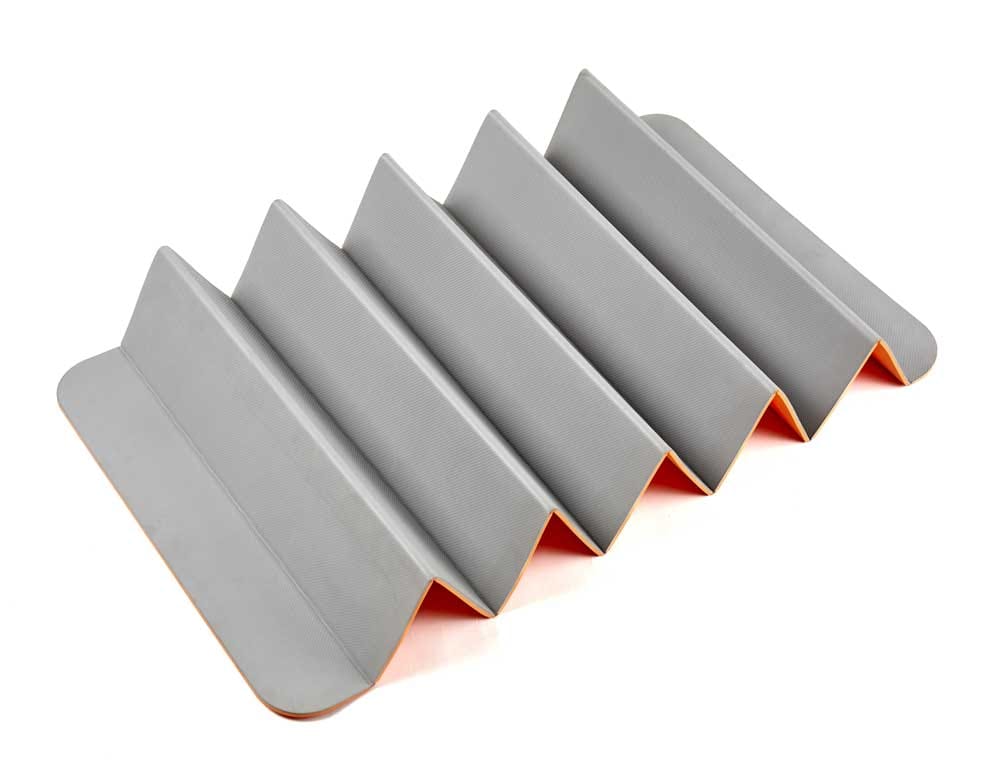
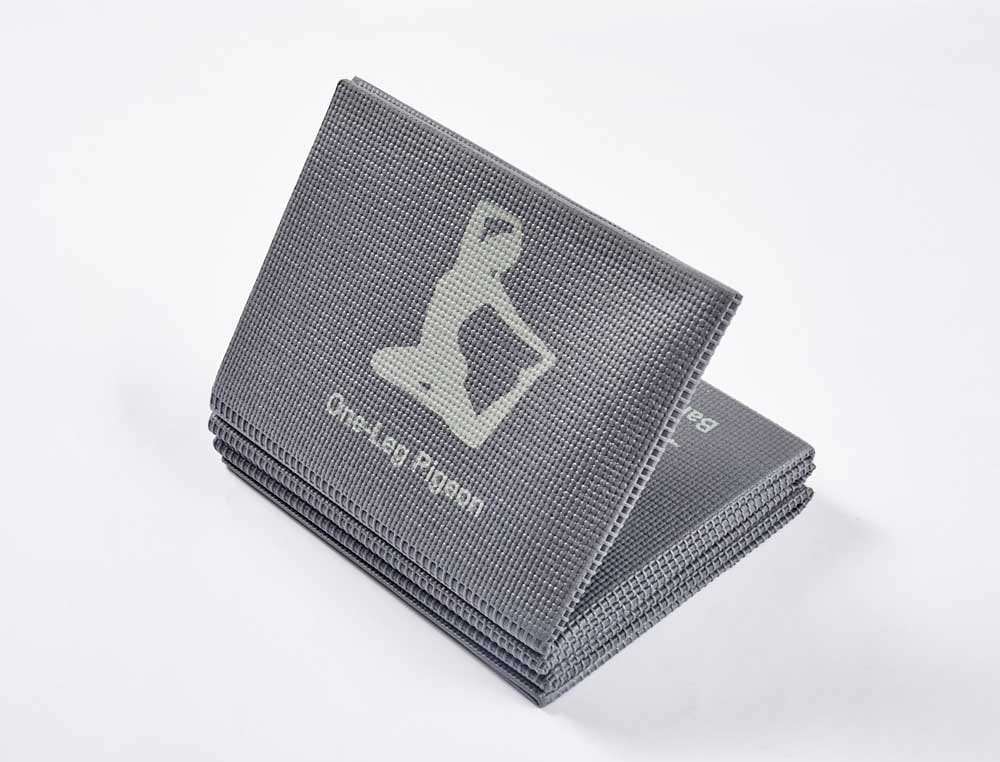
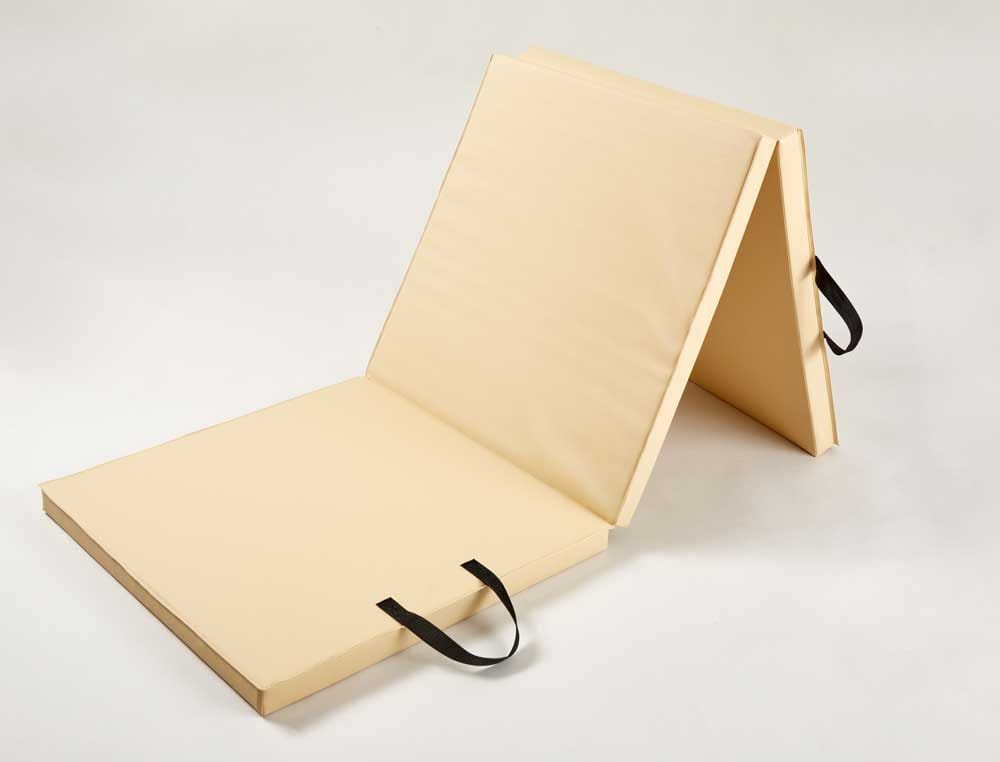
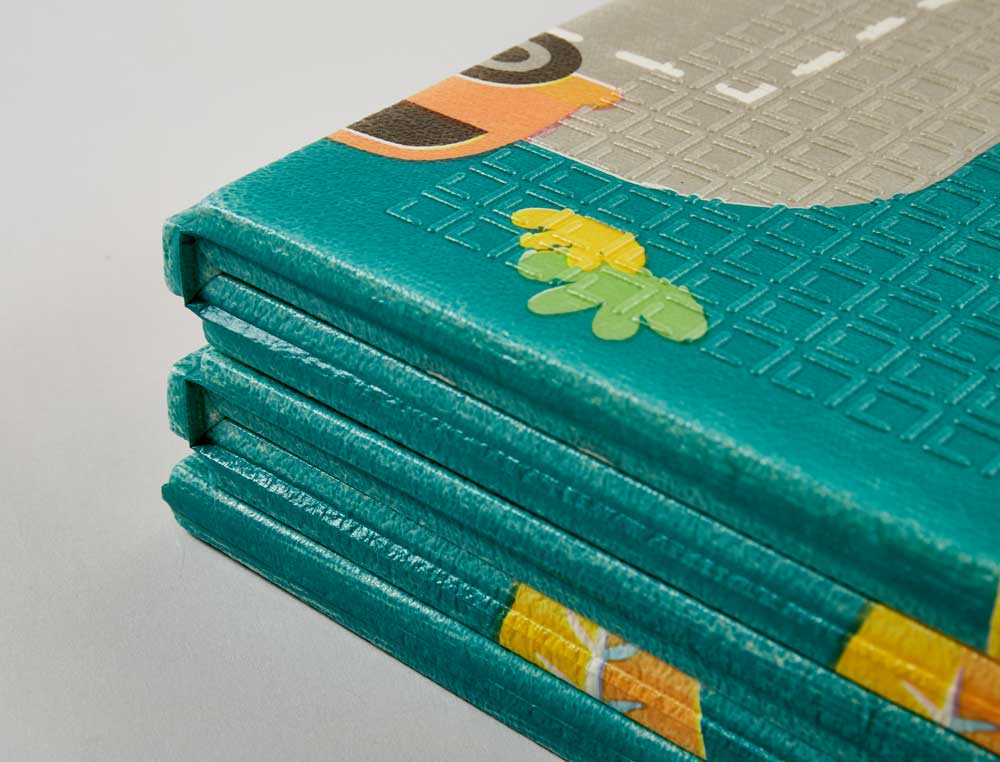
Foldable mats are portable flooring solutions featuring specialized folding mechanisms (bi-fold, tri-fold, or four-fold) that reduce their footprint to a fraction of their open area, making them easy to transport and store. Unlike roll mats (which need floor space to unroll) or interlocking tiles (which require assembly), foldable mats open flat in seconds and fold back just as quickly. Key B2B advantages:
Instant use – Unfold and use; no tools or adhesives required.
Space-saving storage – Folds to a compact size, slides under furniture or into closets.
Portability – Lightweight designs with carrying straps or bags for easy transport.
Versatility – Suitable for yoga, travel, home, kids, outdoor, and seating applications.
Why Foldable Structure Matters
A foldable structure is important because it enhances both the user experience and the product’s commercial value. A well-designed foldable mat can save storage space, improve portability, and make products easier to carry, stack, and ship.
For end users, this means greater convenience at home, in gym kids’ rooms, on the road, and outdoors. For importers, wholesalers, retailers, and private-label brands, it can also mean more efficient packaging, more practical retail presentation, and easier channel-specific product development.
Compared with interlocking mats, foldable mats offer a one-piece setup experience. Compared with roll mats, they are often easier to store in compact spaces and can be more convenient for repeated folding and transport.
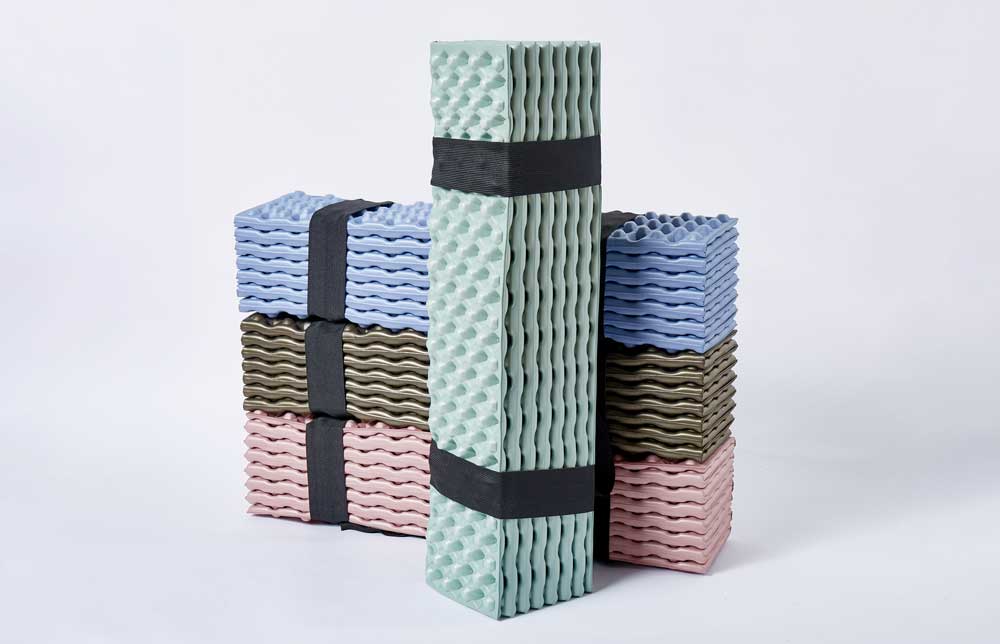
Still weighing folding against rolling or modular tiles? Compare mat formats for storage and handling, including setup, usable coverage, replacement, and packaging.
Main Materials Used in Foldable Mats
Different foldable mat categories use different materials depending on cushioning needs, folding performance, product positioning, and intended applications.
TPE Foldable Mats
TPE is commonly used in foldable yoga mats, foldable exercise mats, and foldable seat cushions. It is often selected for products that require flexibility, comfort, and convenient portability.
For B2B buyers, TPE foldable mats are usually evaluated based on surface feel, grip, cushioning balance, fold recovery, and overall positioning in fitness and lifestyle channels.
XPE Foldable Mats
XPE is widely used in foldable play mats, especially for baby and kids’ floor products that need a lightweight structure, cushioning, and easy home storage. XPE is the ideal choice.
For B2B sourcing, XPE foldable mats are often evaluated based on cushioning, print quality, ease of cleaning, fold durability, and compliance-related suitability.
PVC Foldable Mats
PVC can be used in foldable yoga mats and selected foldable fitness mat programs where buyers require specific price positioning, surface texture, or durability characteristics.
For buyers, PVC foldable mats are typically evaluated based on texture, thickness, handling, cost structure, and packaging compatibility.
EVA Foldable Mats
EVA is commonly used in foldable camping mats, where lightweight cushioning and portability are key requirements. EVA foldable mats are often used for portable floor use, outdoor rest, and compact carry.
For B2B buyers, EVA foldable mats are usually considered for projects that require practical structure, easy folding, and simple application-oriented cushioning.
Foldable Mats by Application
Yoga, Play, Exercise, Camping & Seating
Foldable mats are used across various application categories because their design combines portability, storage efficiency, and ease of handling. The primary application areas for NEEU’s folding mats include yoga, recreational activities, fitness, camping, and seating products.
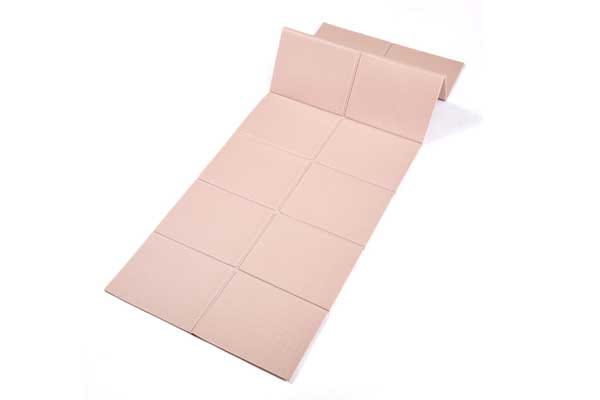
Foldable Yoga Mat
- Recommended Materials: TPE /
- PVCThickness Range:3–8mmKey
- Features: Lightweight, folds to A4 size, carrying bag included, non-slip, eco-friendly options
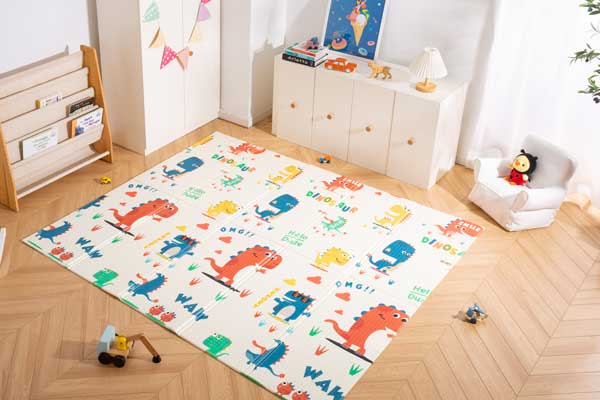
- Recommended Materials: XPE
- Thickness Range:10-20mm
- Key Features: Formamide-free, high impact absorption, double-sided printing, folds to 1/4 size
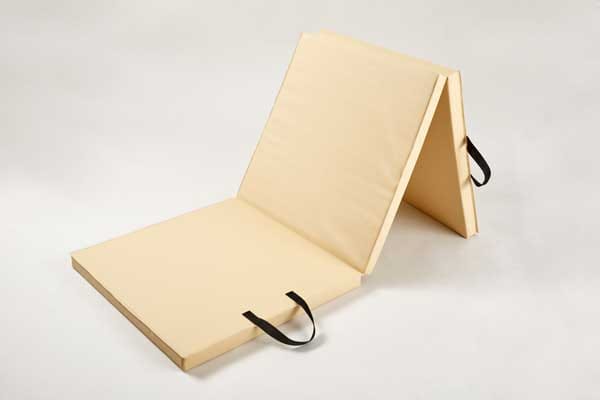
- Recommended Materials: TPE
- Thickness Range:5-50mm
- Key Features: High-density cushioning, anti-tear, sweat-resistant, folds for home gym storage
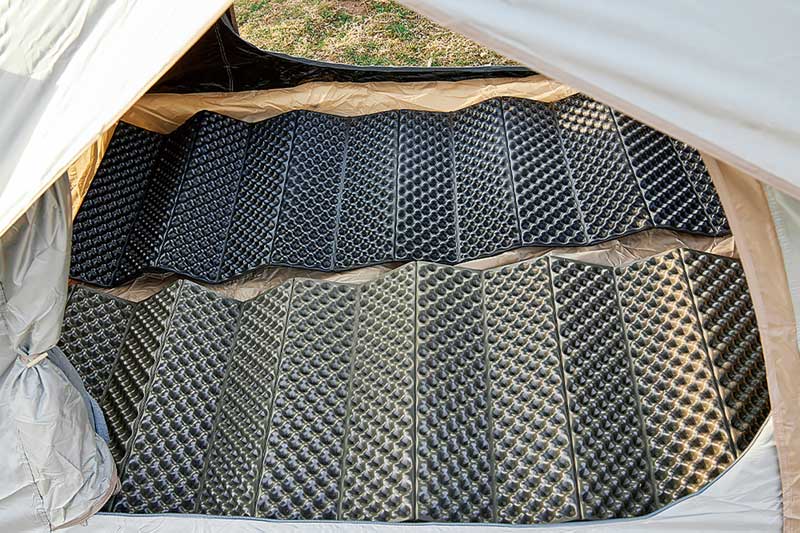
- Recommended Materials: EVA
- Thickness Range:5-15mm
- Key Features: Waterproof, UV-resistant, thermal insulation, attaches to backpack with straps
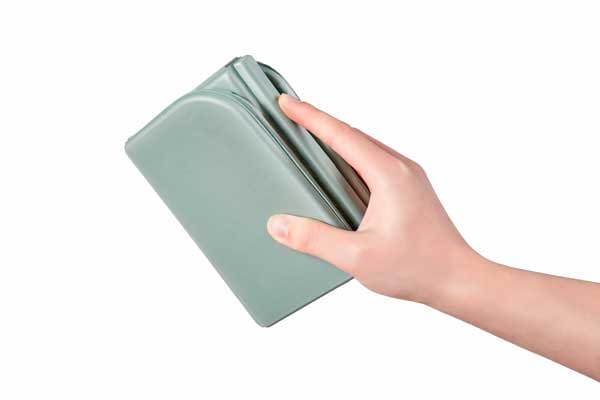
Recommended Materials: TPE
Thickness Range:5-10mm
Key Features: Lightweight (<200g), folds into a pocket size, non-slip bottom, easy to clean
Not sure which material fits your brand?
Custom manufacturing (OEM/ODM) for Yoga brand, importers, wholesalers, and project buyersVersatile Folding Configurations: Tailored to Your Application Scenarios
From compact seat cushions to large-scale play mats, the folding method is key to user experience. NEEU provides four primary folding configurations—Accordion, Panel, Multi-segmented, and Modular nesting. By aligning material properties with the right folding structure, we deliver portable flooring solutions that excel in diverse environments, including professional gyms, nurseries, yoga studios, and outdoor camping.
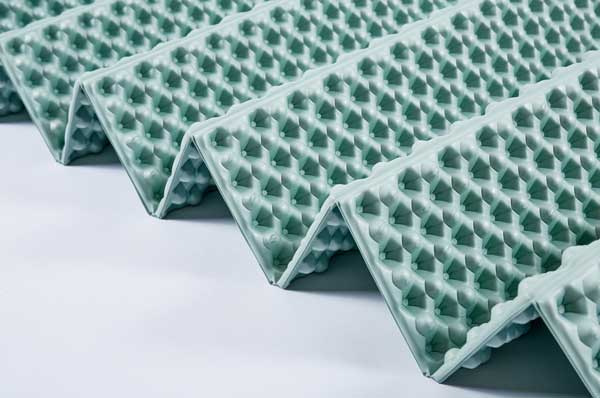
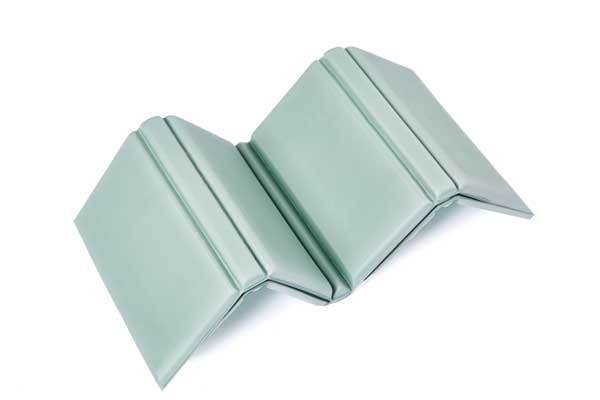
1. Accordion Fold (Z-Fold)
This is the most common folding method, in which each section alternates in flipping in the opposite direction to form a “Z” shape.
- Features: Extremely compact structure; offers the fastest deployment speed. When folded, the edges remain neat and aligned, making it ideal for stacked storage.
- Applicable Materials: EVA (egg-crate style camping mats), TPE (folding yoga mats), and XPE.
- B2B Advantages: This method is the most space-efficient, significantly optimizing container loading capacity and reducing unit costs for cross-border logistics.
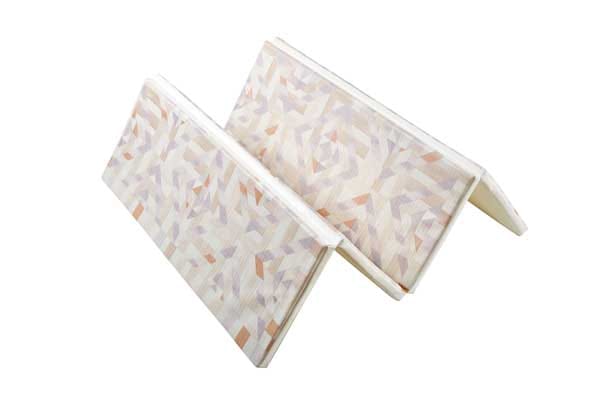
2. Panel Folding / Bi-Fold, Tri-Fold, Four-Fold
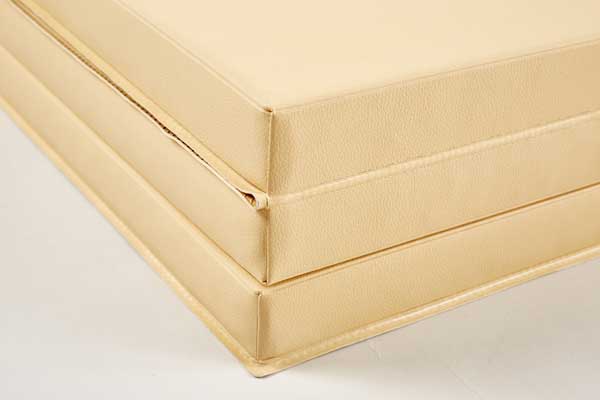
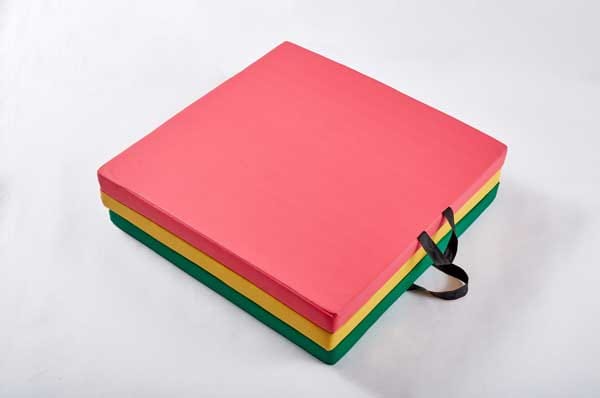
Typically, for mats of substantial thickness (2 cm to 5 cm), the design involves dividing the mat into two, three, or four large panels that fold together.
- Features: Each panel typically has independent structural support, and the folding joints are connected using reinforced “hinges” (either heat-sealed or stitched).
- Materials Used: PVC (for gymnastics or fitness mats) and EPE/XPE.
- B2B Advantages: Well-suited for the high-value professional fitness equipment market. When folded, the resulting thick, compact block facilitates vertical display within retail packaging (color boxes).
3. Multi-Segmented Folding
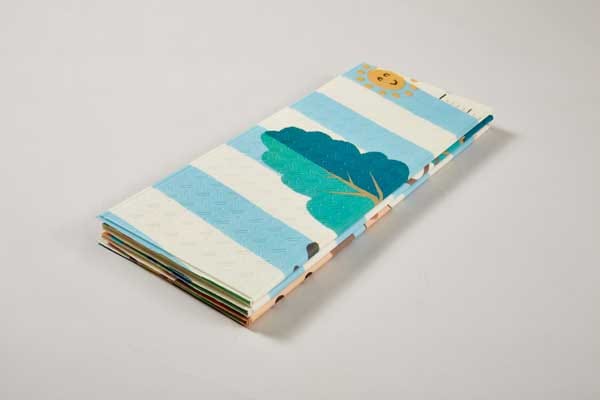
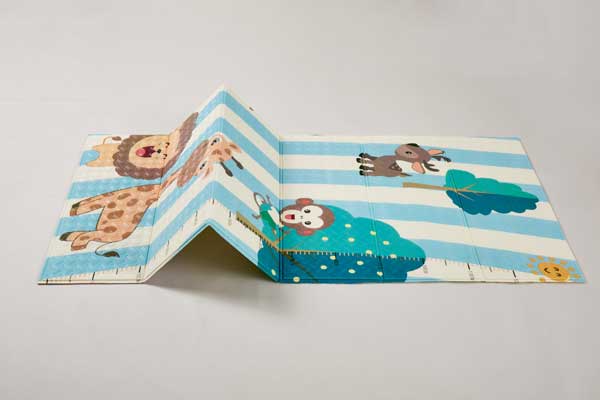
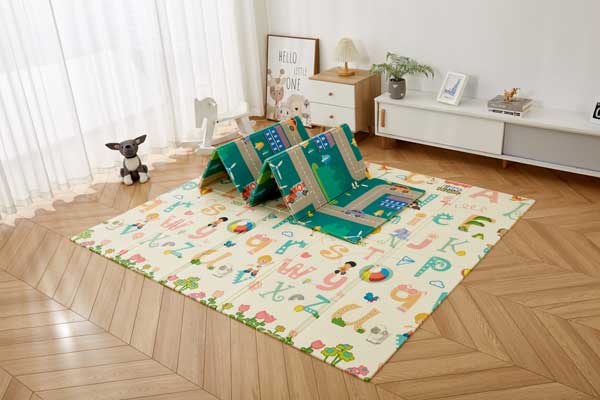
This describes the typical structural design of XPE Play Mats (infant crawling mats). A large mat measuring 1.8m x 2m is divided into five or more segments.
- Features: When unfolded, it covers a large area; when folded, it becomes compact. Specialized molding ensures flat seams, preventing dust accumulation.
- Material: Made from XPE, the industry-standard for crawling mats.
- B2B Advantages: The foldable design addresses high shipping costs by reducing the mat’s volume, lowering Dimensional Weight for e-commerce distribution.
4. Roll-Fold Hybrid
Some yoga mats are designed to roll and fold. Follow the selected model’s folding sequence or rolling instructions, and check the packed dimensions against the intended bag. See how to fold and pack a travel yoga mat for packing steps and checks before practice.
- Key Feature: Offers a choice of packing shapes where the construction supports both methods; select the arrangement that fits the bag and follows the product’s instructions.
- Applicable Materials: Thin-gauge TPE and PU.
- B2B Advantage: Represents an innovative design concept, making it an ideal “differentiated” product for brands looking to distinguish themselves in the market.
5. Modular/Nested Folding
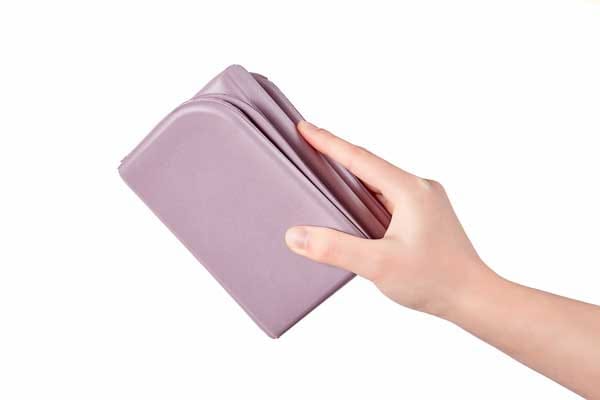
For Foldable Seat Cushions or small training mats, a common design features a compact, multi-fold structure that typically folds into four or eight sections.
- Features: When folded, the item is roughly the size of a human palm or an iPad, and can even be tucked into the side pocket of a backpack.
- Materials Used: TPE
- B2B Advantages: Highly suitable for use as an “add-on” product (upsell item) or promotional gift in outdoor gear shops.
Key Processes for Folding Mats: Creasing and Fold Line Forming
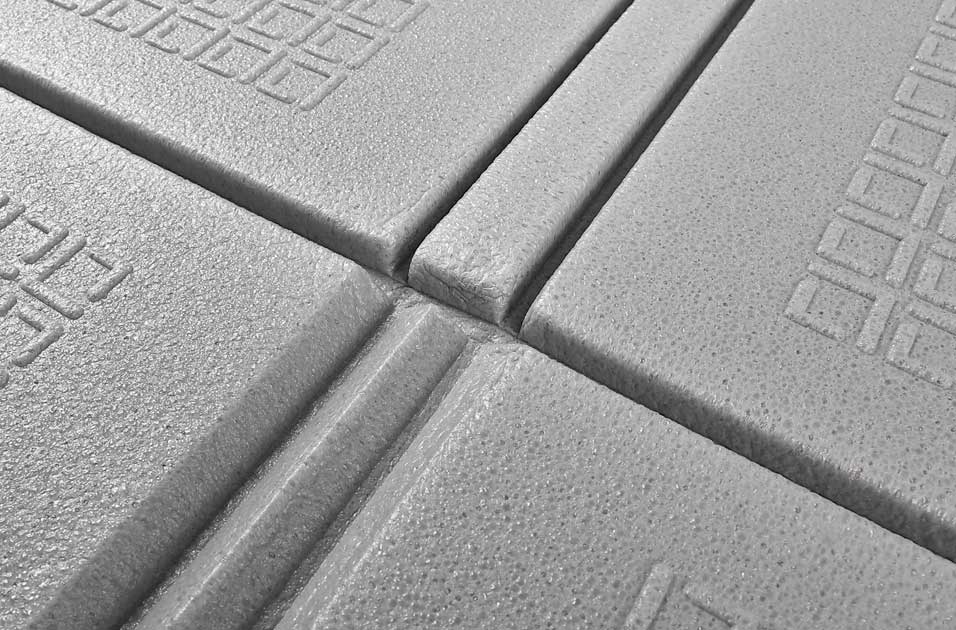
The reliability of a foldable mat depends almost entirely on its fold lines. Unlike roll mats or interlocking tiles, foldable mats are repeatedly creased along the same narrow bands – making fold‑line engineering the single most critical manufacturing step. Poorly formed fold lines lead to cracking, permanent deformation, or loss of flat‑lay memory after only a few cycles. NEEU uses heat‑press scoring combined with a reinforced hinge design to create fold lines that withstand thousands of folds without material fatigue. Below, we explain the three methods we employ and how we validate durability through accelerated life testing.
Why Fold‑Line Quality Matters for B2B Buyers
| End‑user complaint | Root cause | NEEU solution |
|---|---|---|
Mat cracks along fold after weeks of use |
Shallow or uneven score line; foam torn at hinge |
Multi‑stage heat‑press scoring + local reinforcement |
Fold area becomes permanently raised (tenting) |
Insufficient compression; memory effect of foam |
Deep‑set score with controlled temperature profile |
Mat will not lie flat; edges curl up |
Fold line not fully “trained”; internal stress remains |
Post‑forming cooling fixture + tension‑free storage |
For B2B buyers: specifying the right fold‑line process directly affects your warranty costs and customer return rates.
Three Fold‑Line Forming Methods (from standard to premium)
| Method | Process | Durability (cycles) | Best for | NEEU’s Use |
|---|---|---|---|---|
Cold scoring (mechanical creasing) |
A blunt steel rule presses a groove into the foam without heat. |
500‑1,500 |
Low‑cost, short‑life products (e.g., promotional giveaway mats) |
Not recommended for export |
Hot‑press scoring (heat + pressure) |
Heated male/female dies compress the foam along the fold line, melting surface cells to create a permanent “hinge.” |
3,000‑5,000 |
Standard foldable yoga, play, and exercise mats |
✅ Standard for TPE/XPE panels |
Reinforced hot‑press + backing lamination |
After hot‑press scoring, a thin TPU or fabric tape is laminated over the fold line on the back side. |
8,000‑12,000 |
High‑cycle applications (gymnastics, martial arts, rental equipment) |
✅ Available on request |
NEEU uses hot‑press scoring as the baseline for all export foldable mats. The depth and width of the score are precisely controlled (typically 40‑60% of mat thickness) to balance flexibility with tear resistance.
Custom Fold‑Line Design for Your Product
| Customization option | What we can adjust |
|---|---|
Fold direction |
Inward (logo stays visible) or outward |
Hinge width |
Narrower for cleaner look (8mm), wider for heavy‑duty use (15mm) |
Reinforcement |
TPU film, fabric tape, or double‑layer foam |
Multiple parallel folds |
Accordion or Z‑fold configurations |
Corner gussets |
For 3D folding (box‑style or standing mats) |
Our engineering team can recommend the optimal fold‑line specification based on your mat material, thickness, and expected cycles.
Not sure which folding mechanism fits your product line?
Share Your Requirements → Get a Process Plan in 24 HoursWhy Choose NEEU as Your Foldable Mats Manufacturer?
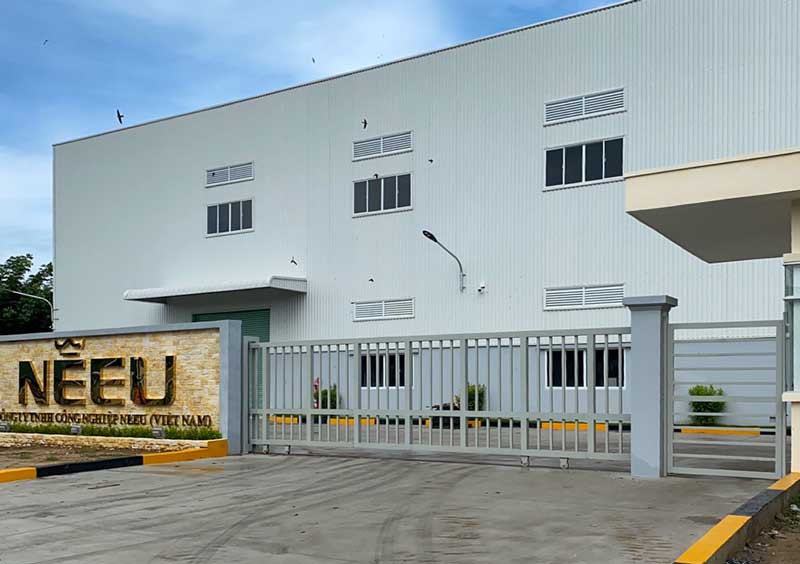

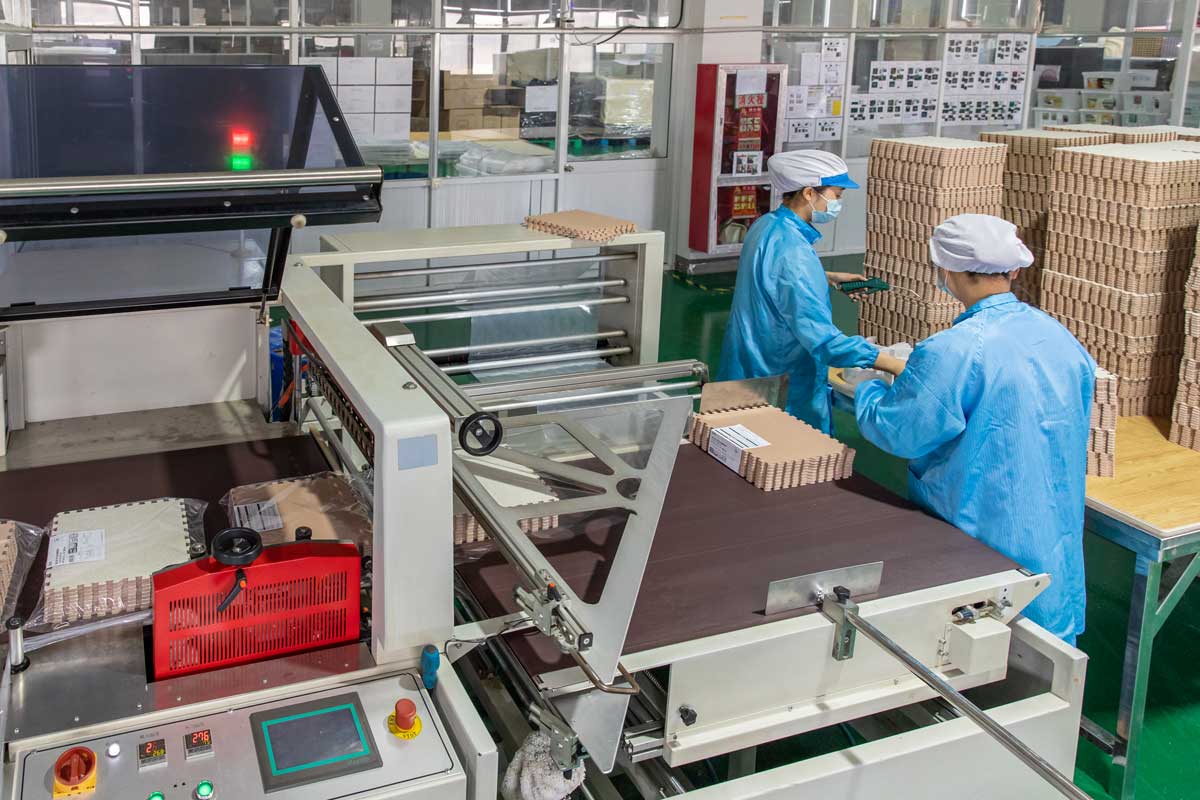
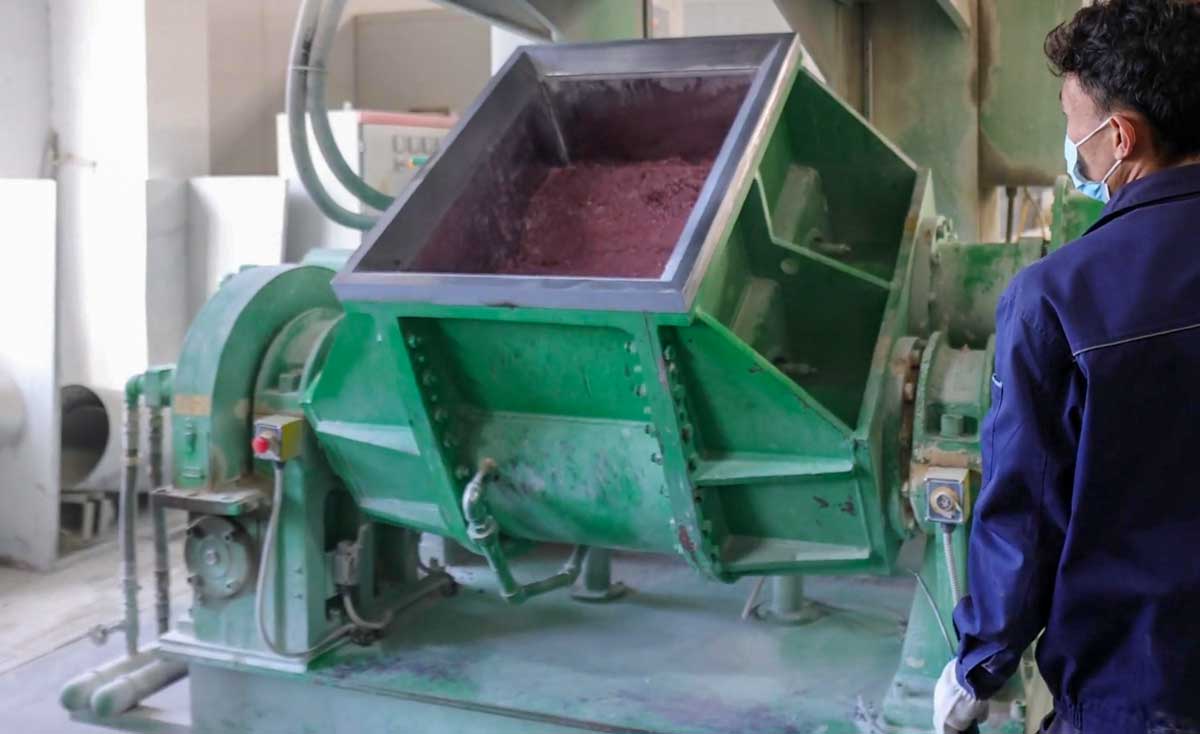
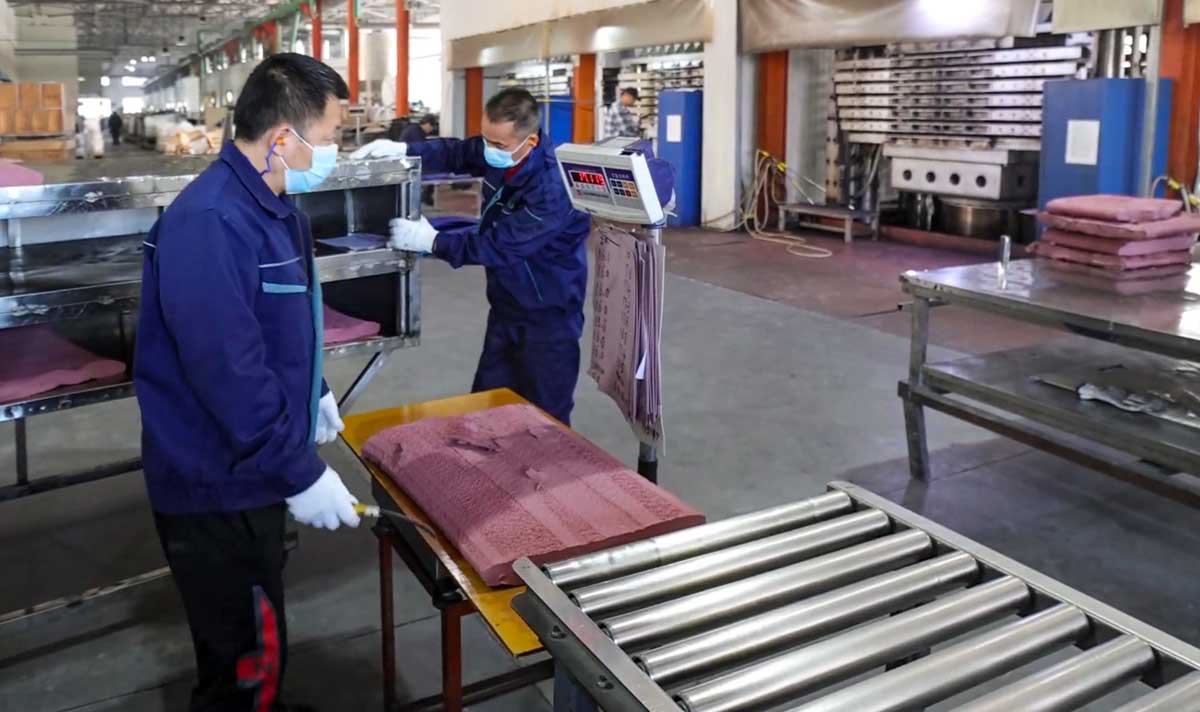
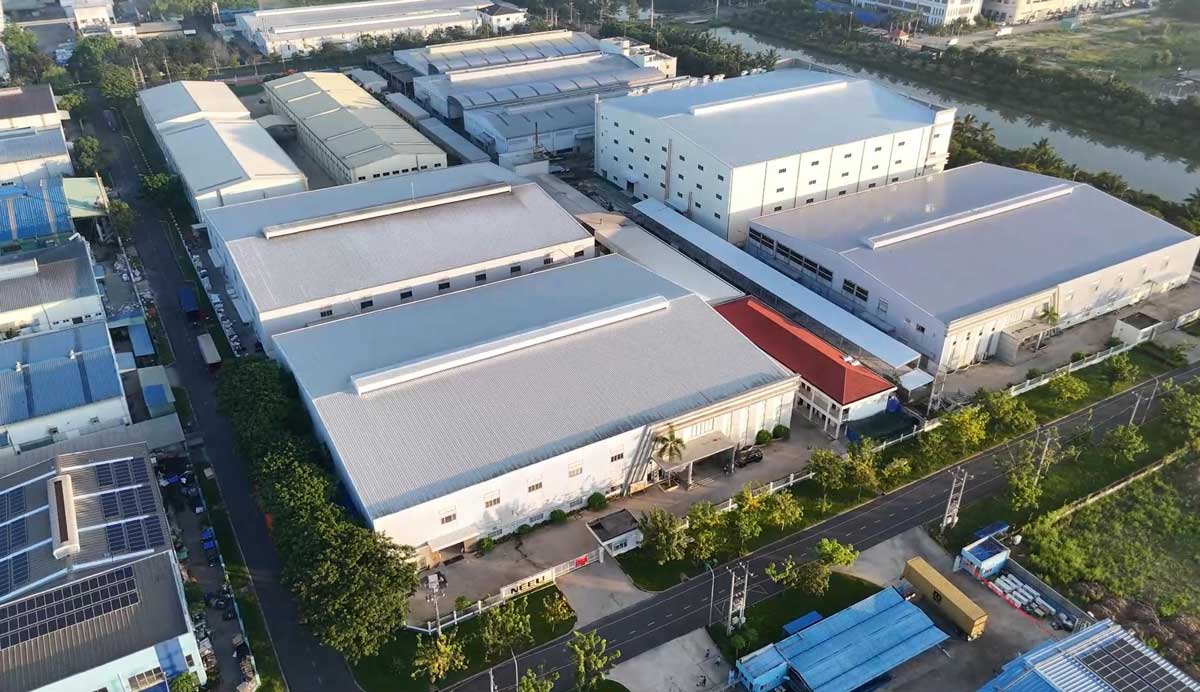
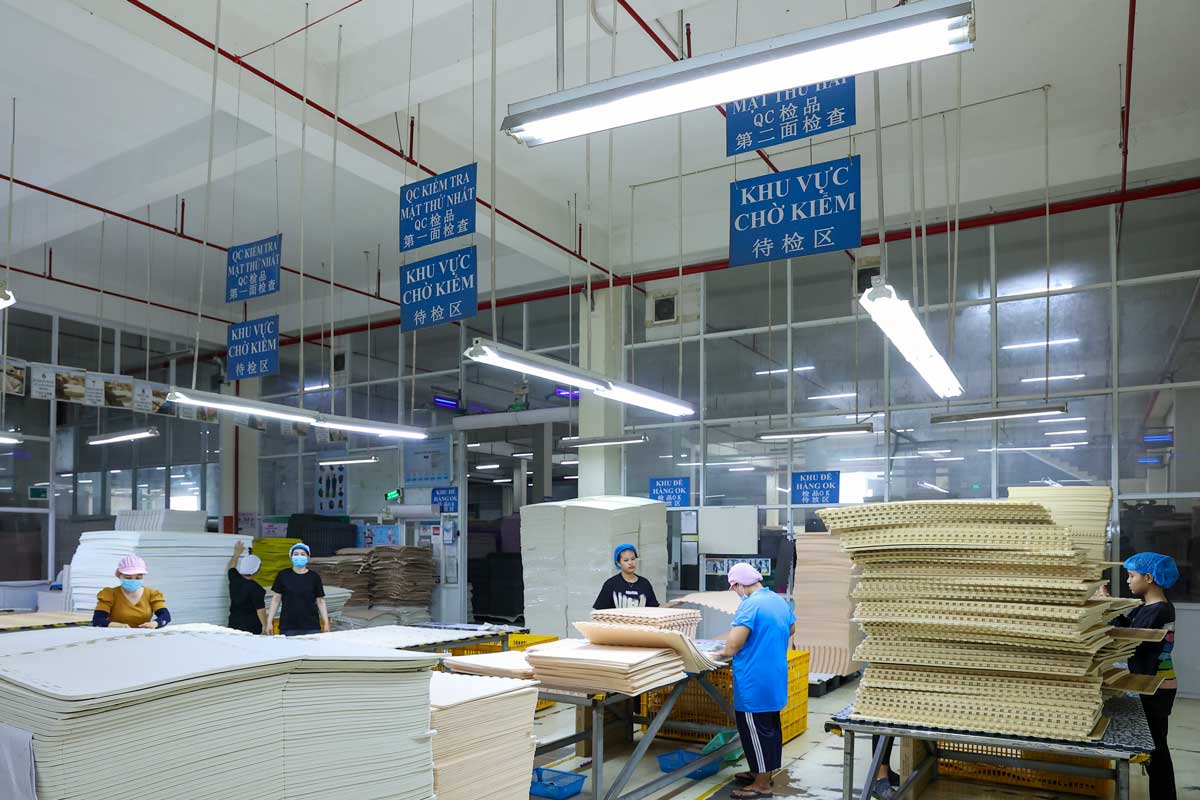
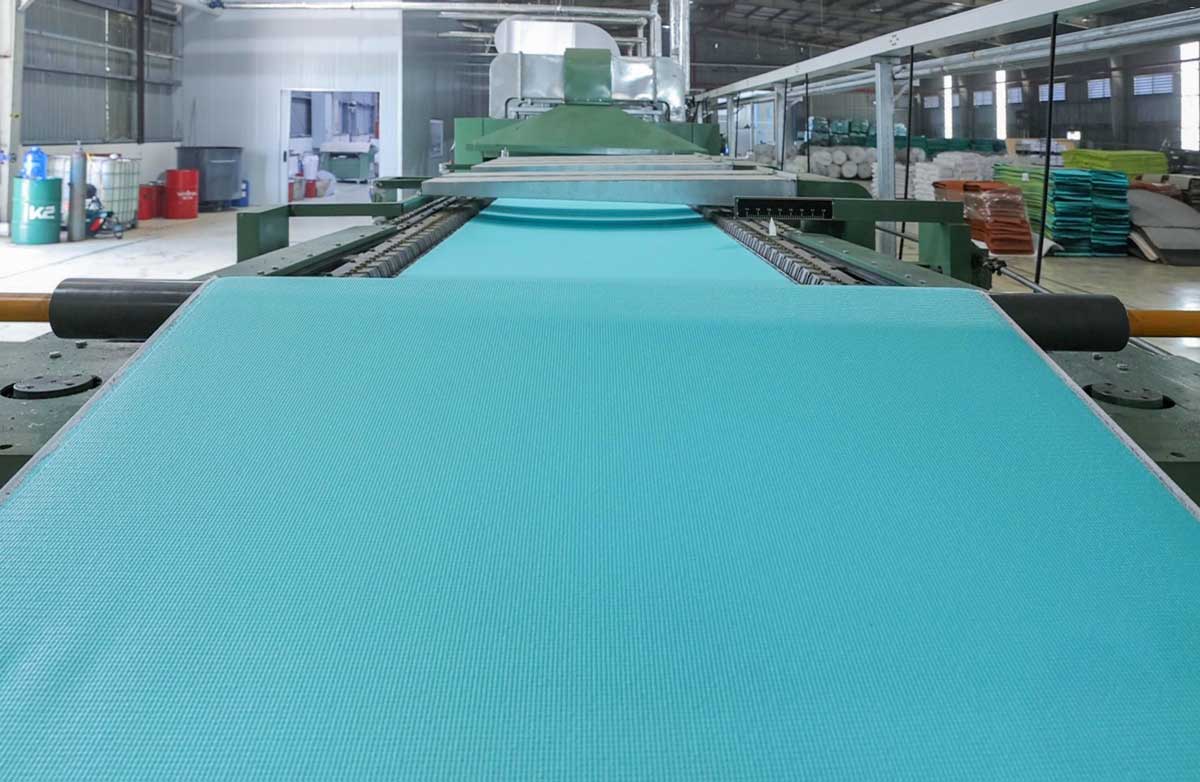
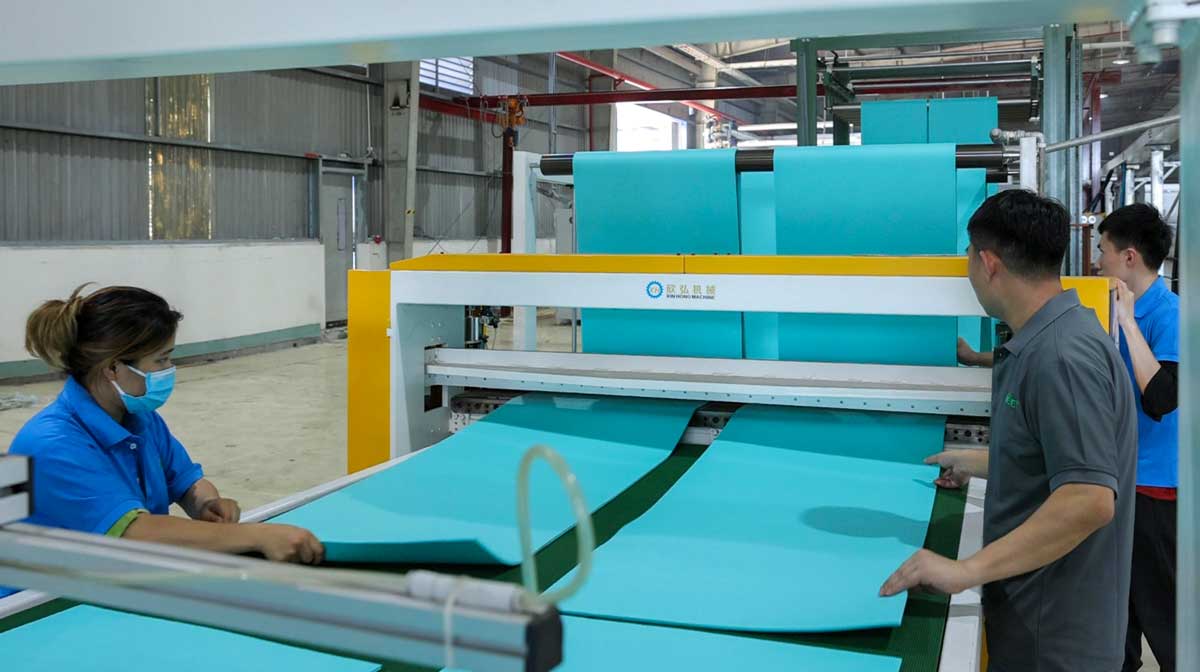
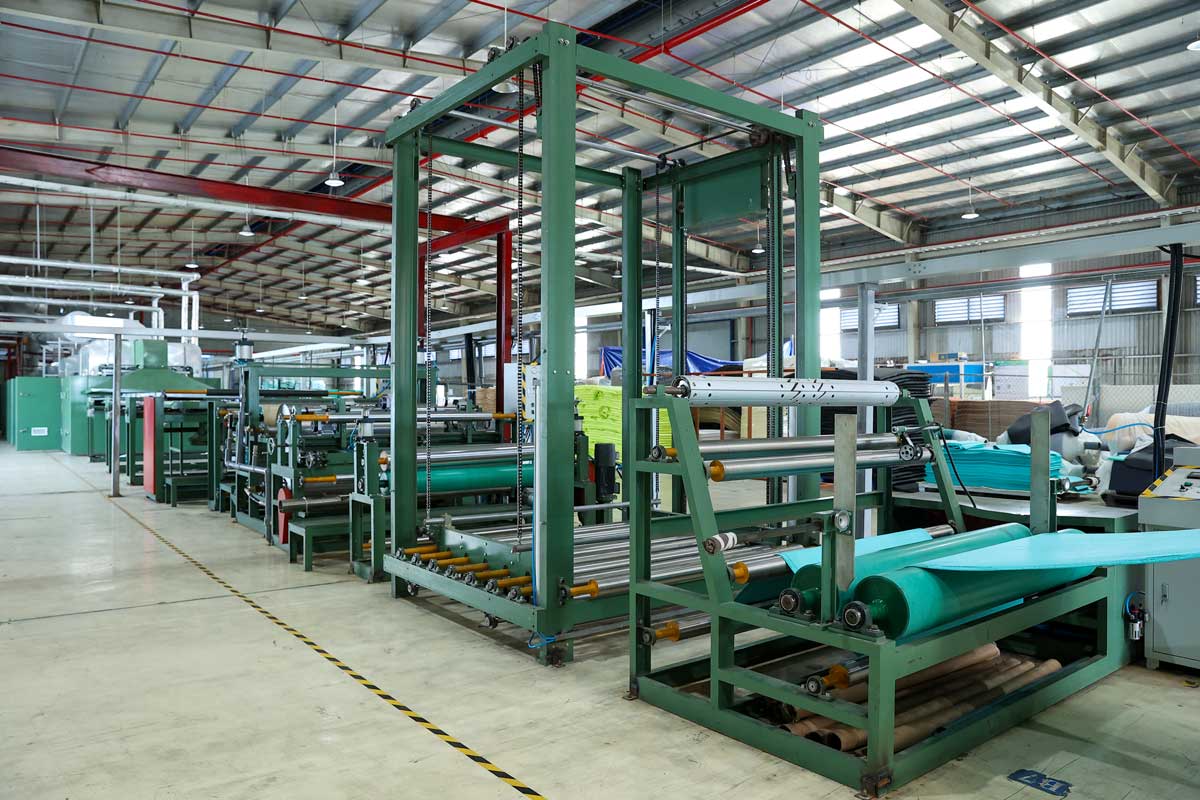
As a leading B2B mat manufacturer, we combine dual-factory scale (China + Vietnam, 75,999㎡) with full‑material capability (EVA, TPE, PVC, XPE, TPU) to deliver interlocking, foldable, roll, and single‑piece mats for baby, yoga, fitness, home, and gym equipment applications. Every product is 100% inspected in dust‑free workshops and is backed by ISO 9001, BSCI, EN71, ASTM F963, REACH, and CPC certifications – with batch‑specific SGS/TÜV reports. Our vertically integrated production supports full OEM/ODM customization: thickness, color, printing, packaging, and folding mechanics (accordion, panel, multi‑segment, hybrid, nesting). From reliable supply chains (dual‑factory risk mitigation) to compliance‑ready documentation, NEEU gives you one trusted partner for all your mat sourcing needs. Request samples or a quote today.
Certified for Global Markets – Safety & Compliance for Foldable Mats

For foldable mats exported to Europe and the United States, regulatory compliance is not optional – it is the price of entry. Different materials (TPE, XPE, PVC, EVA) and different applications (yoga, baby play, exercise, camping) trigger distinct certification requirements. NEEU maintains a comprehensive compliance framework that covers every foldable mat we produce, from general‑use fitness mats to children‘s play products. Below is an overview of the key EU and US regulations applicable to foldable mats, along with the certifications NEEU provides. All certifications are backed by batch‑specific test reports from CPSC‑accredited or ISO 17025 labs (SGS, TÜV, Intertek).
| Material | EU Core Certification | US Core Certification |
|---|---|---|
TPE Foldable Mats (Yoga Mats / Fitness Mats) |
REACH, 2026 Formaldehyde Emission Limits, OEKO-TEX® (Optional) |
16 CFR 1630 GCC, CA Prop 65 |
XPE Foldable Play Mats |
REACH, EN71-1/2/3, EN71-15 (Formamide) |
CPC (CPSIA / ASTM F963), 16 CFR 1630 GCC, CA Prop 65 |
PVC Foldable Mats |
REACH (Phthalate Restriction), Formaldehyde |
16 CFR 1630 GCC, CA Prop 65 Phthalate Warning, CPSIA (under Children’s Standards) |
EVA Foldable Camping Mats |
REACH 2026: Formaldehyde |
16 CFR 1630 GCC, CA Prop 65 |
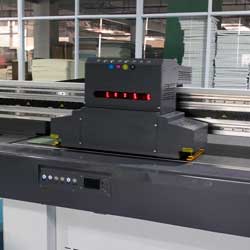
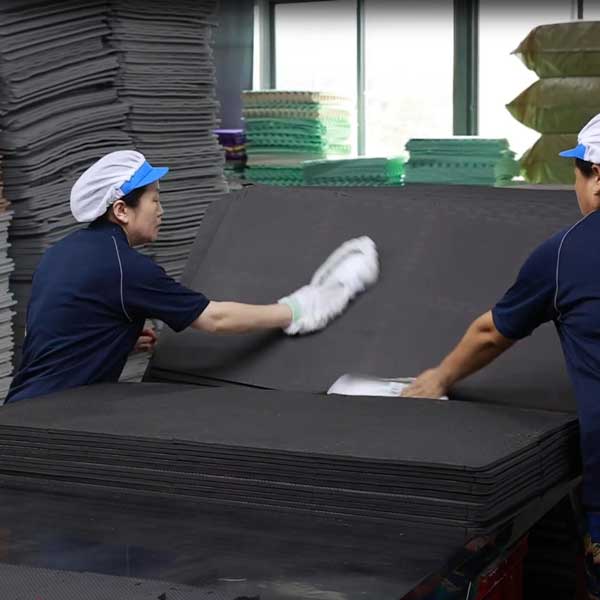
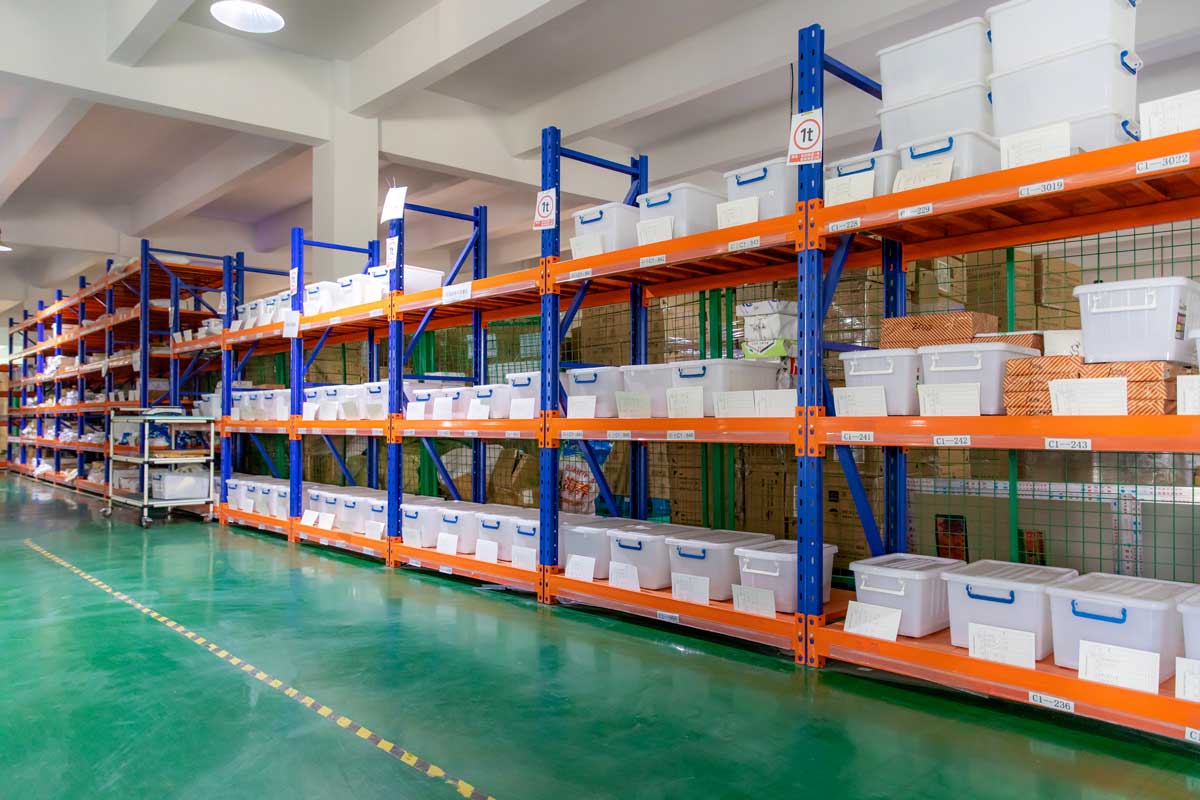
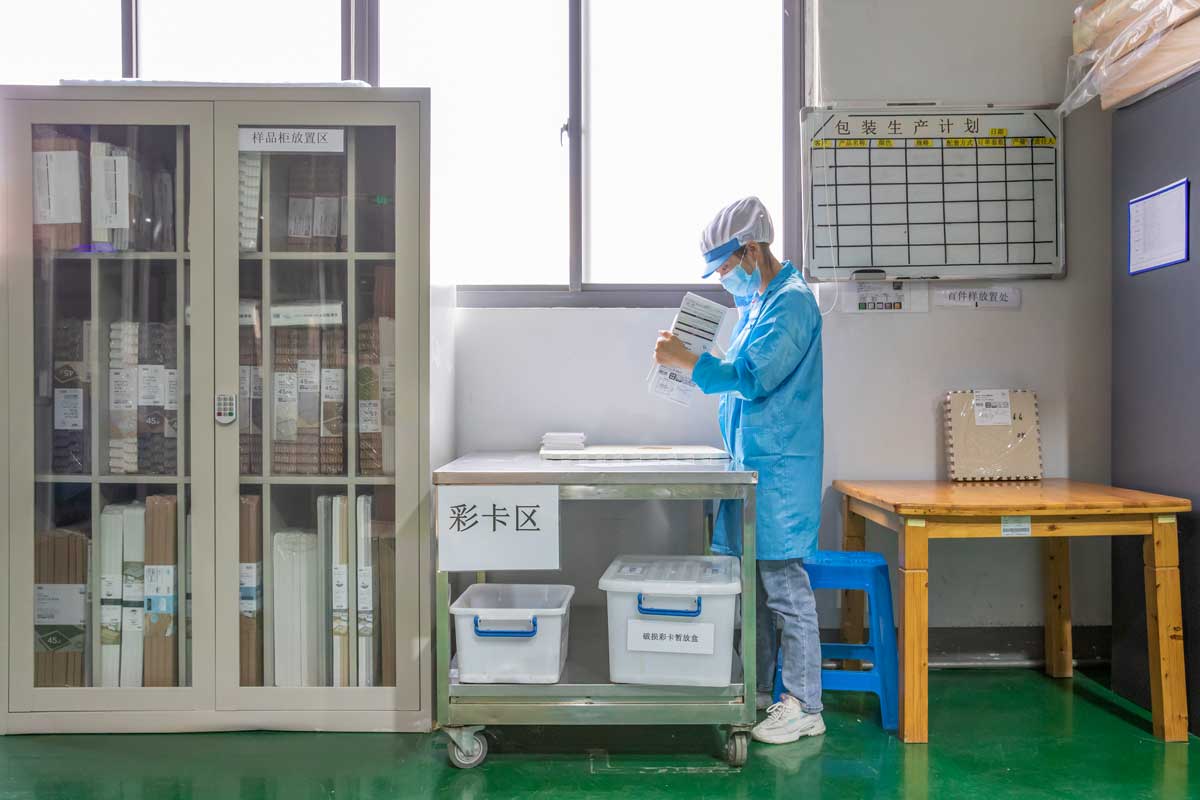
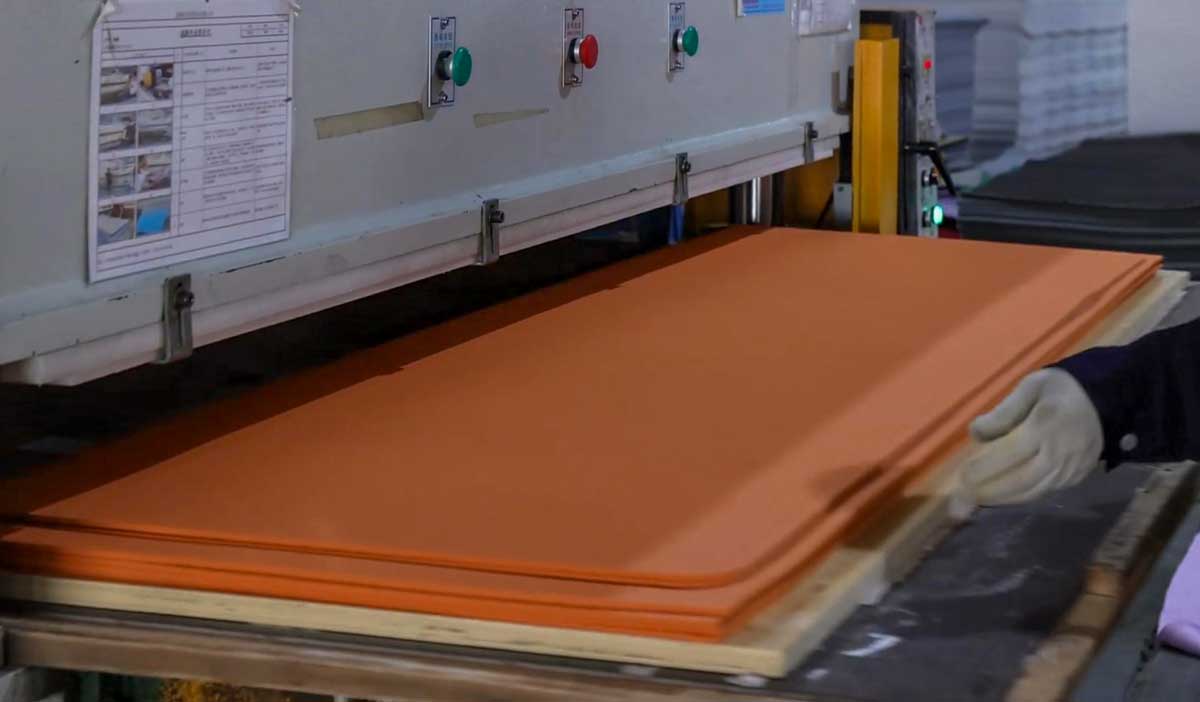
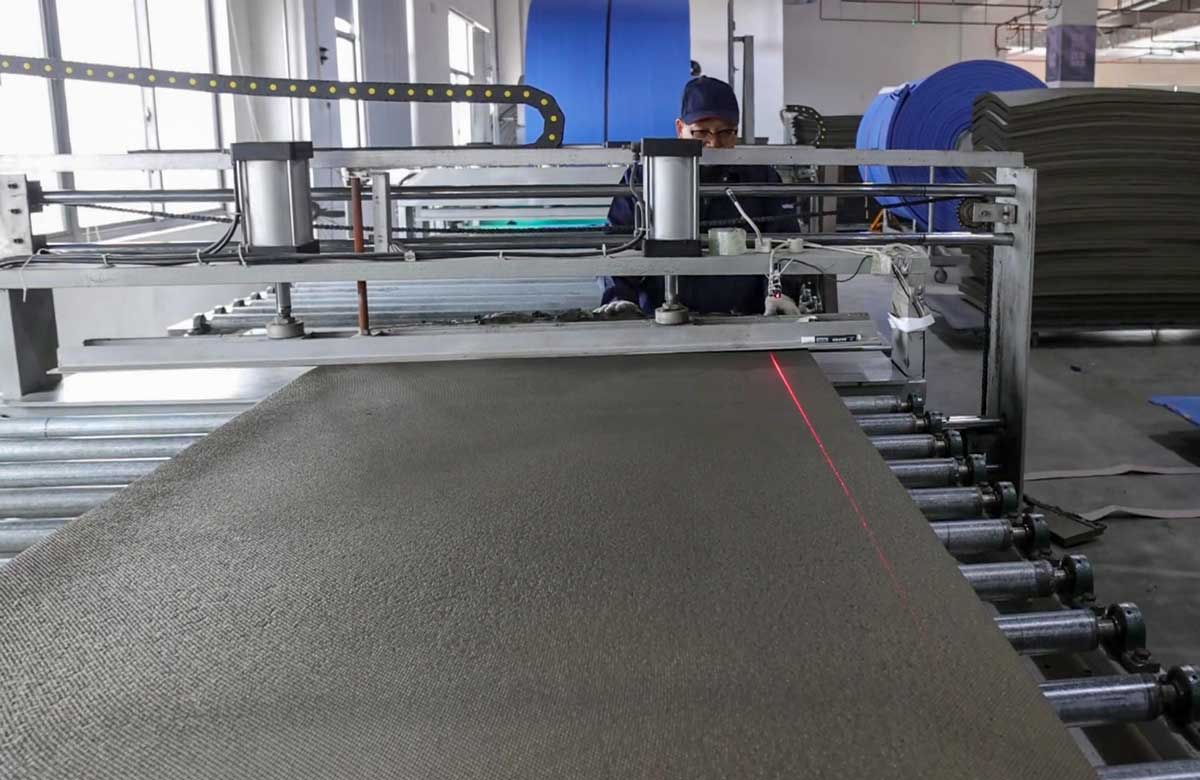
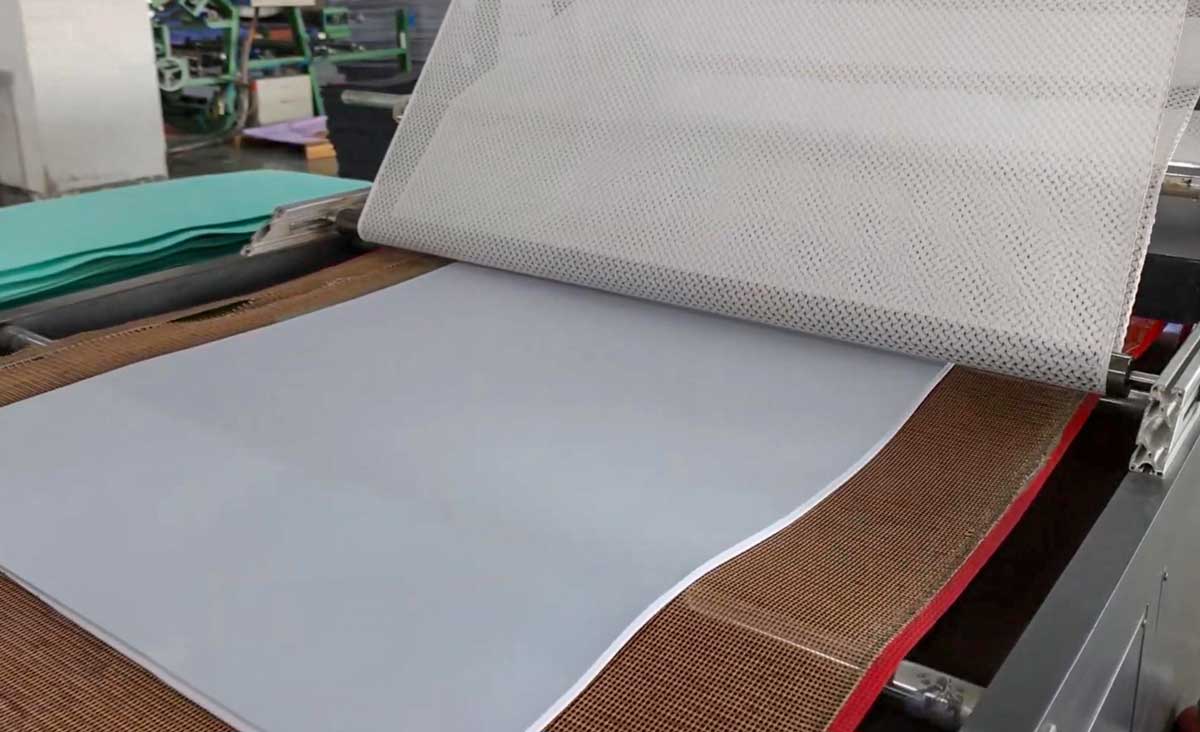
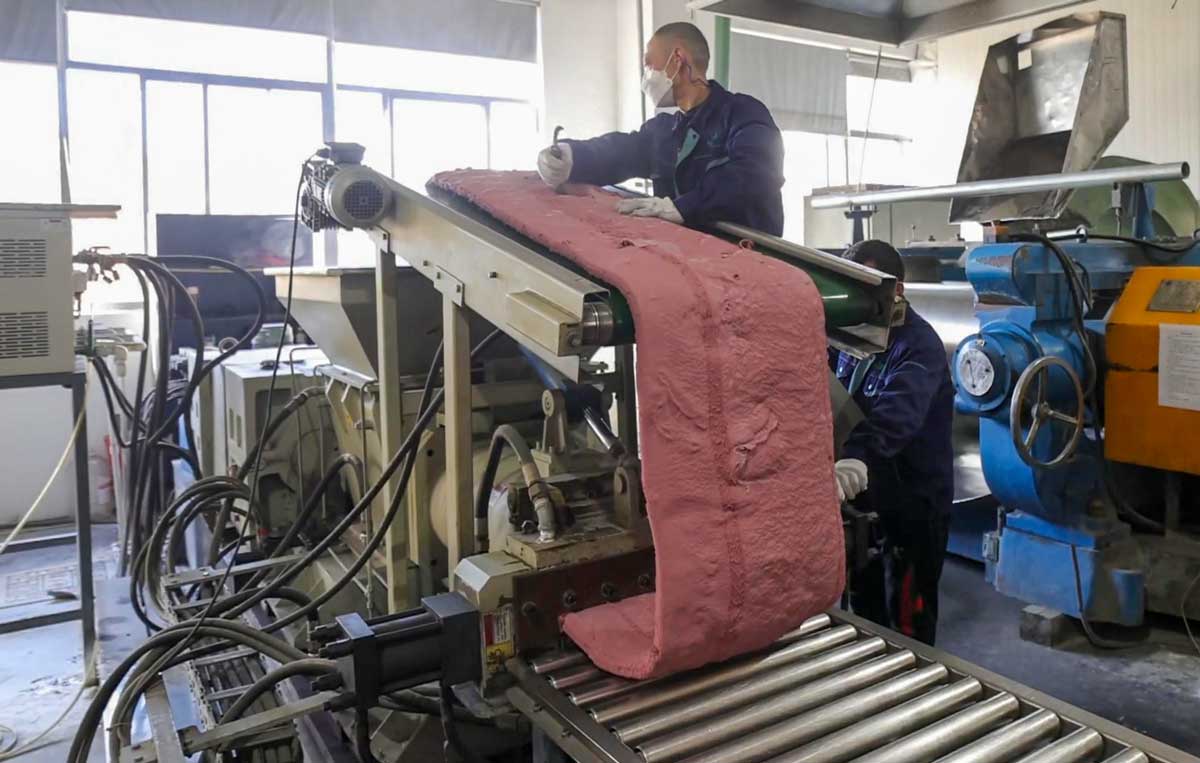
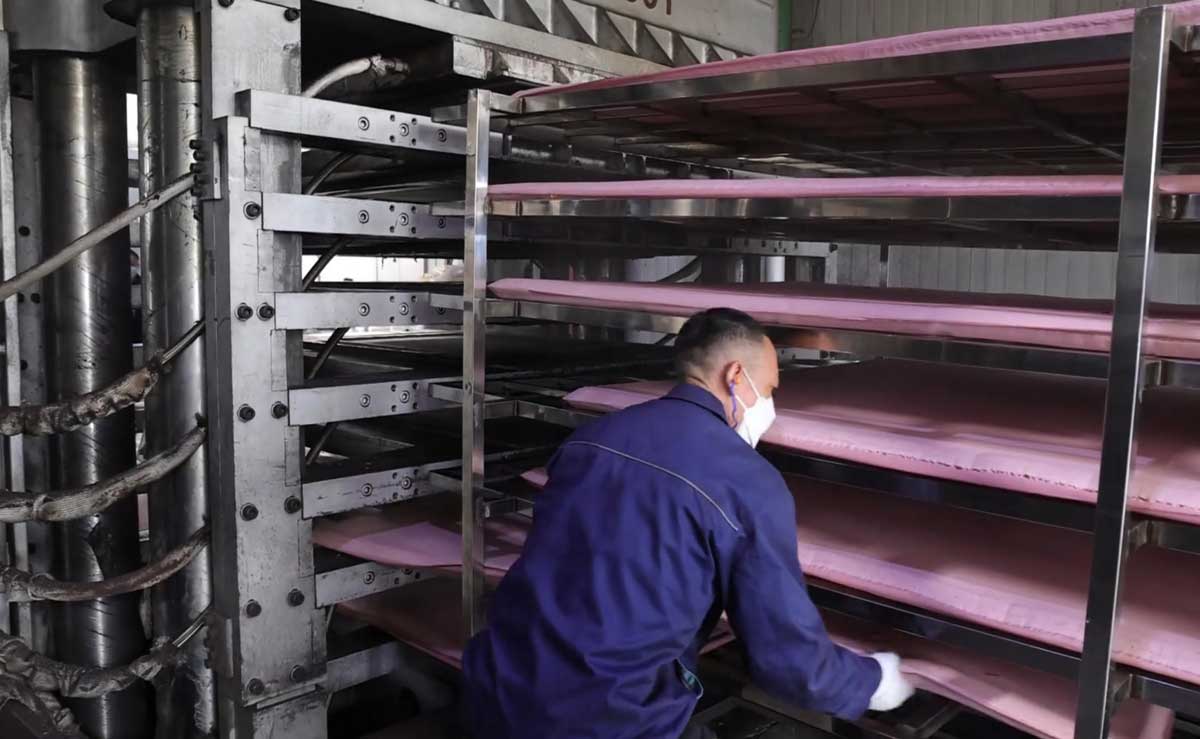
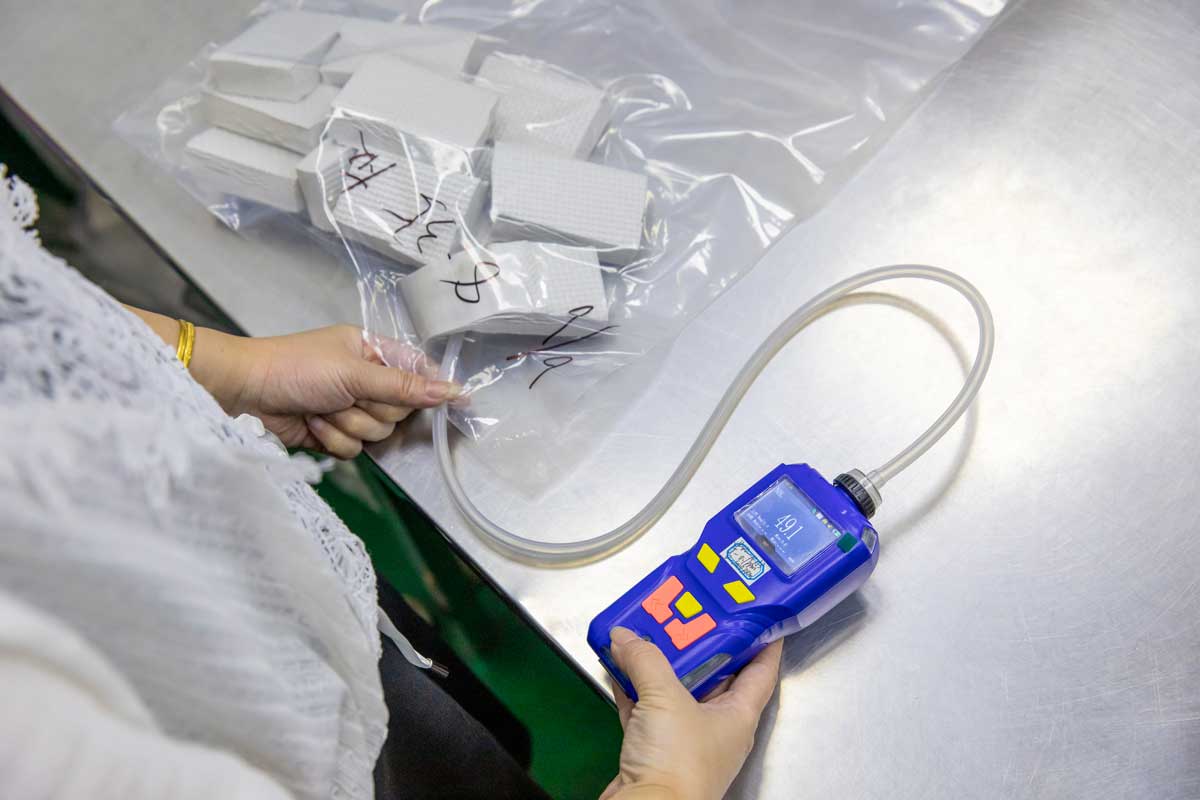
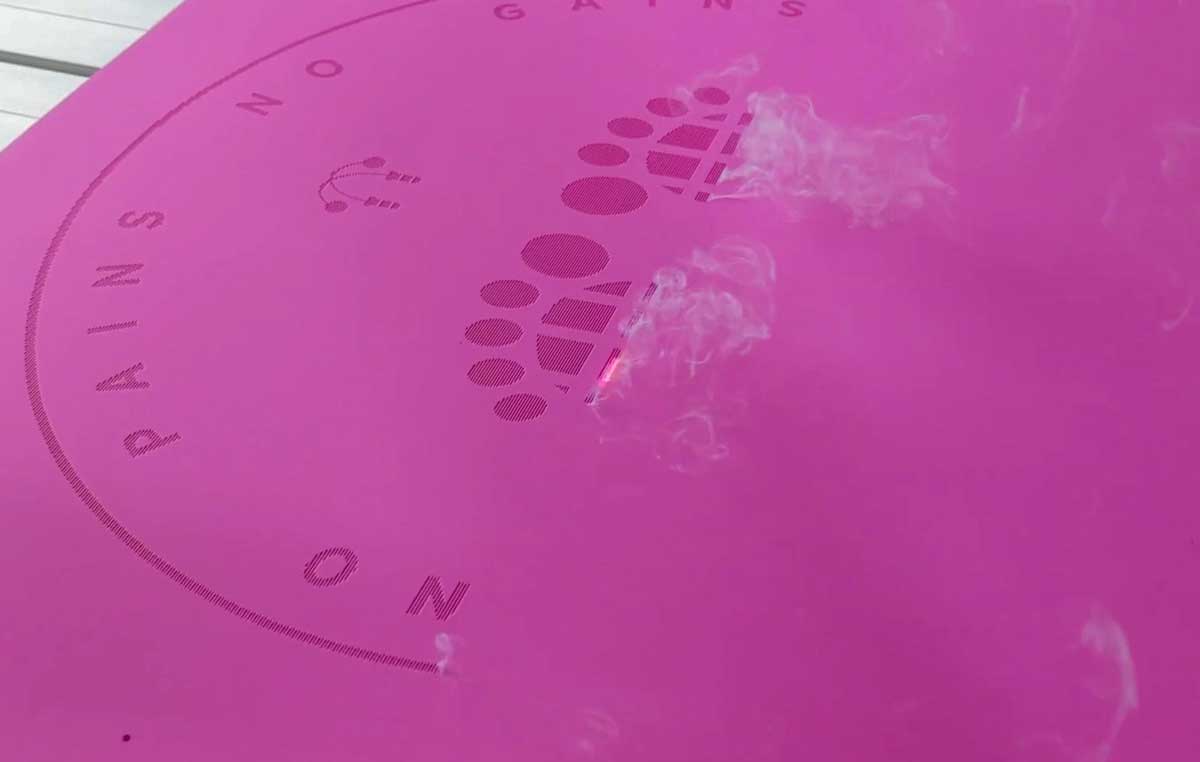
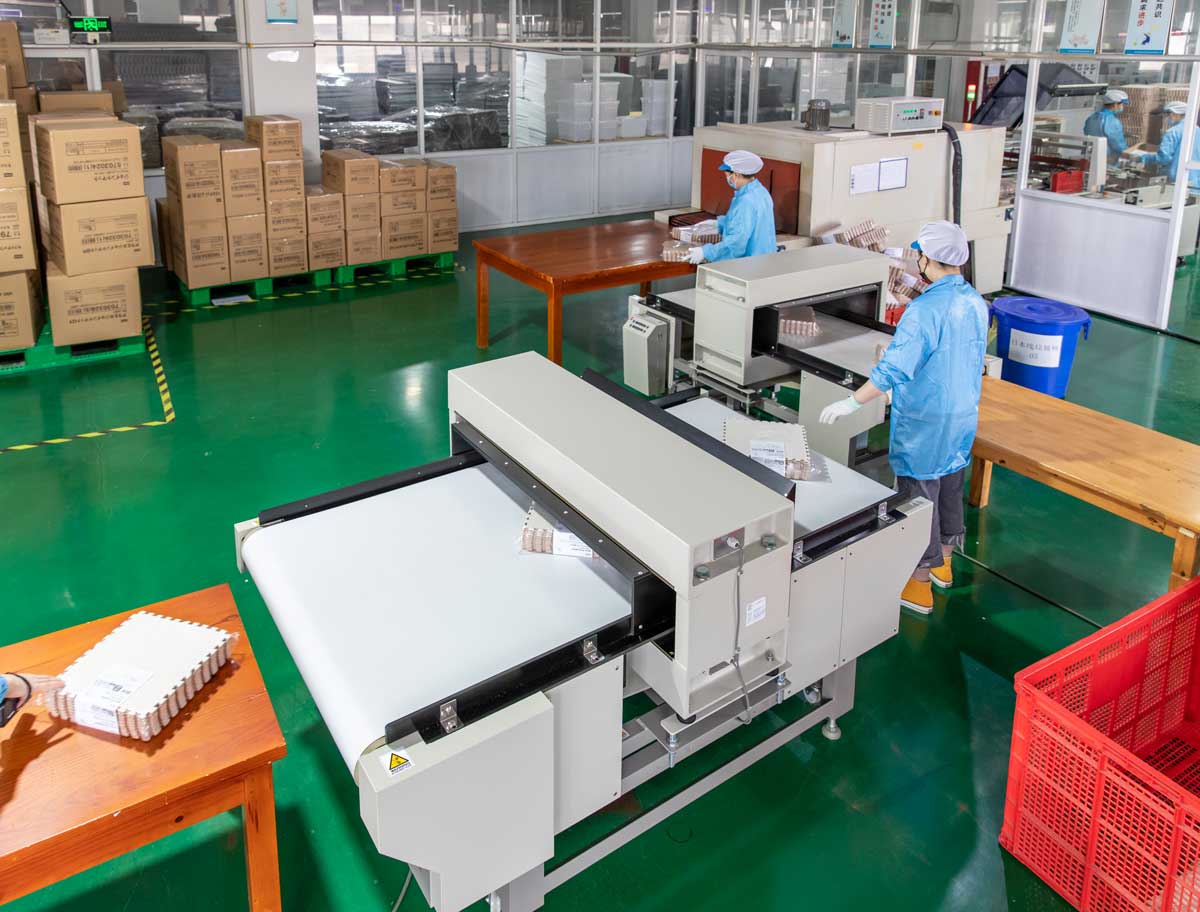
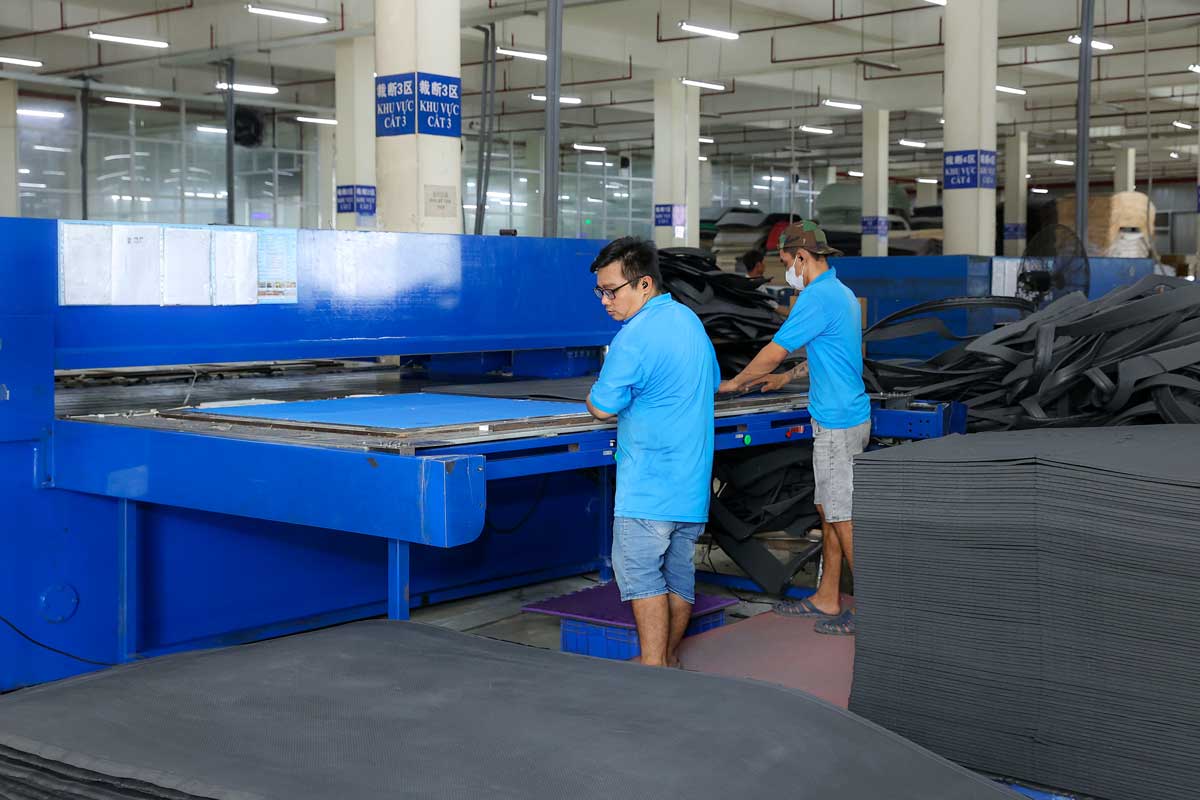
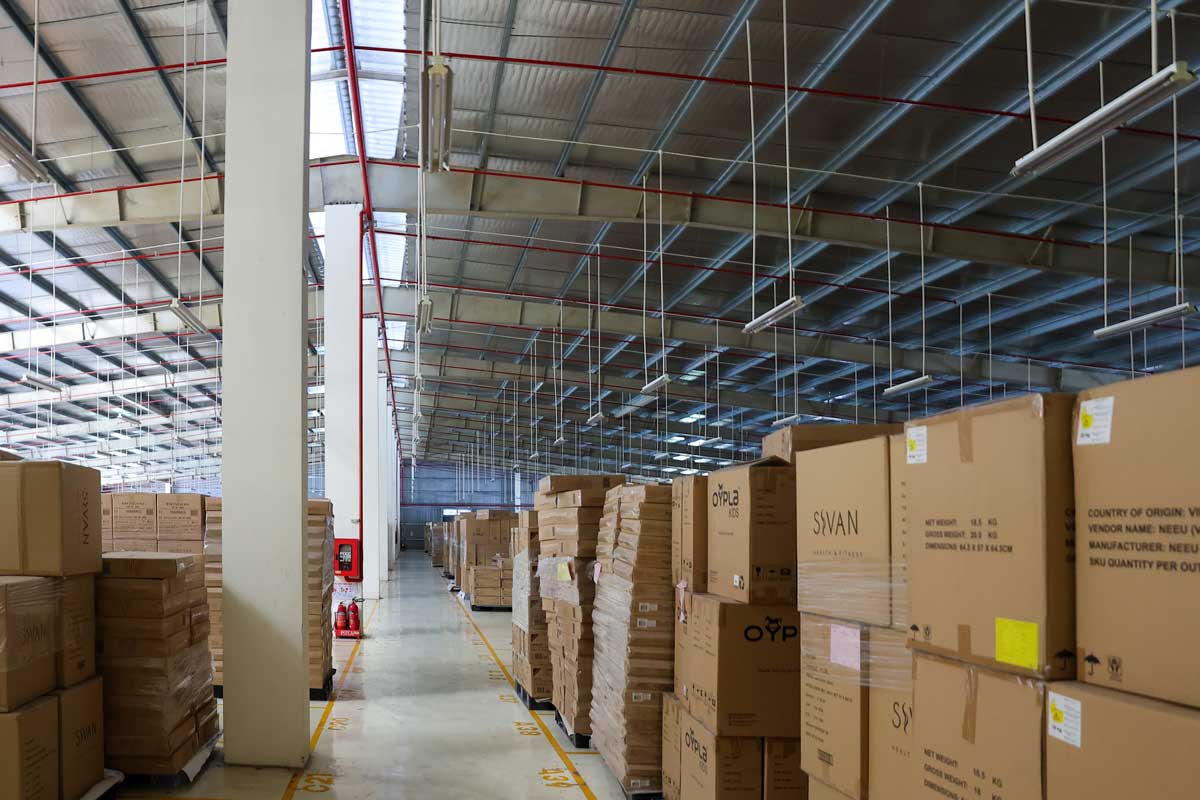
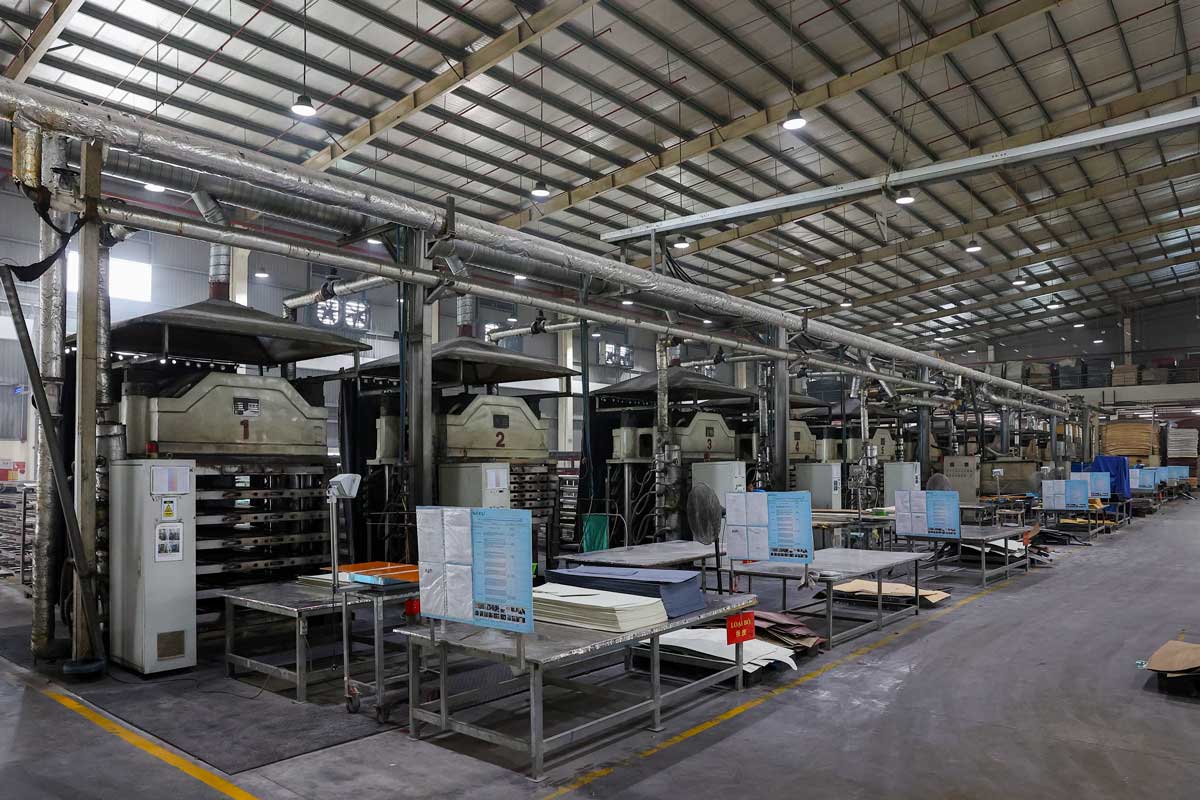
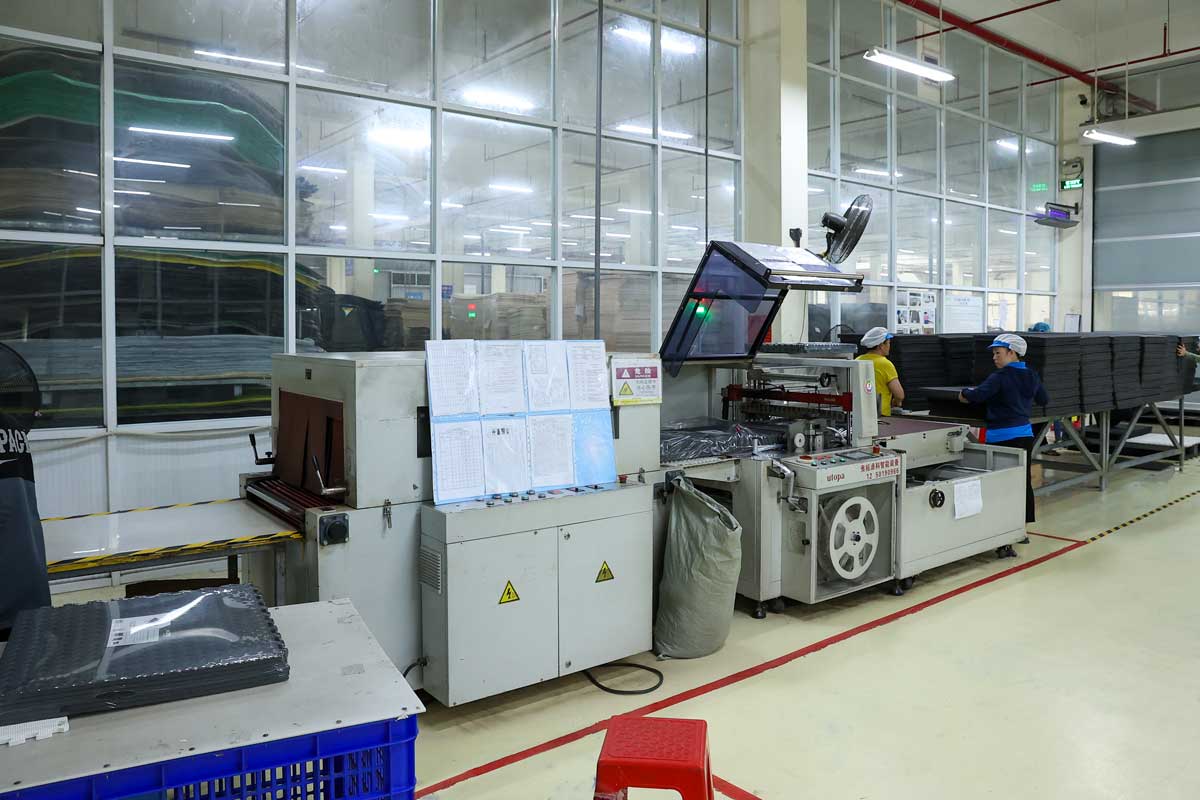
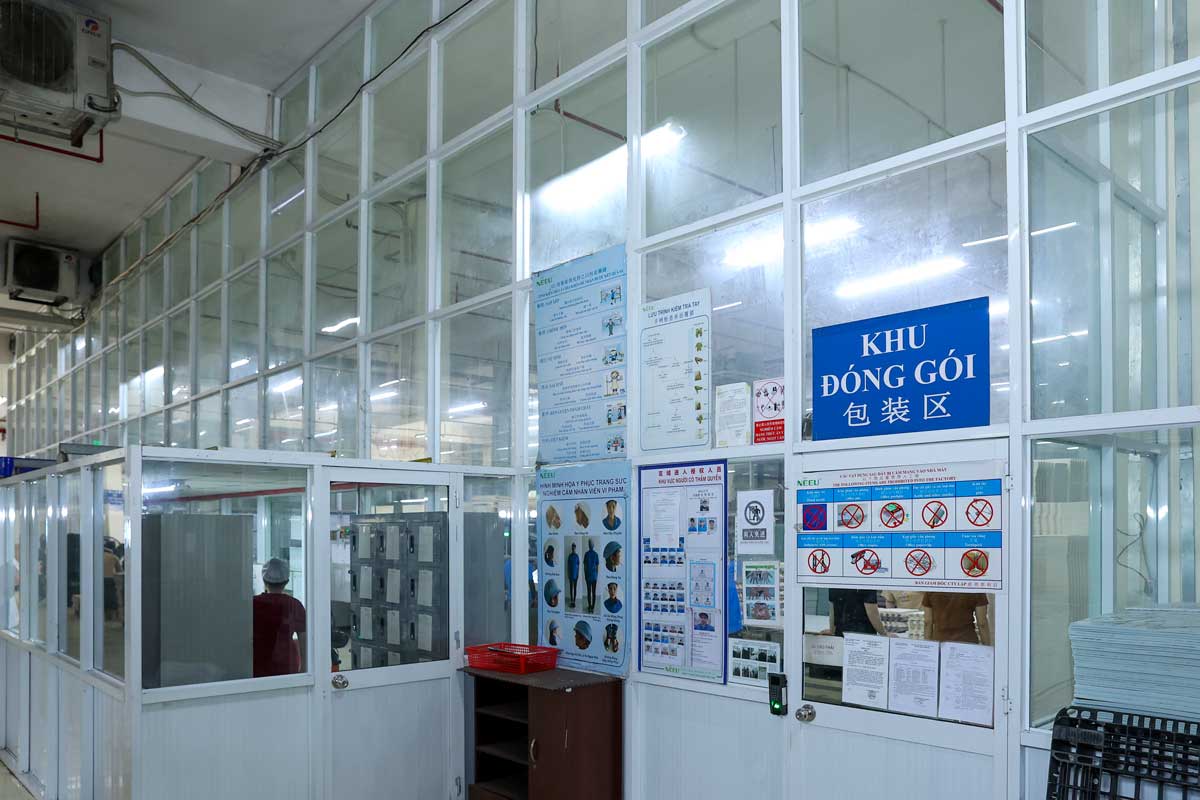
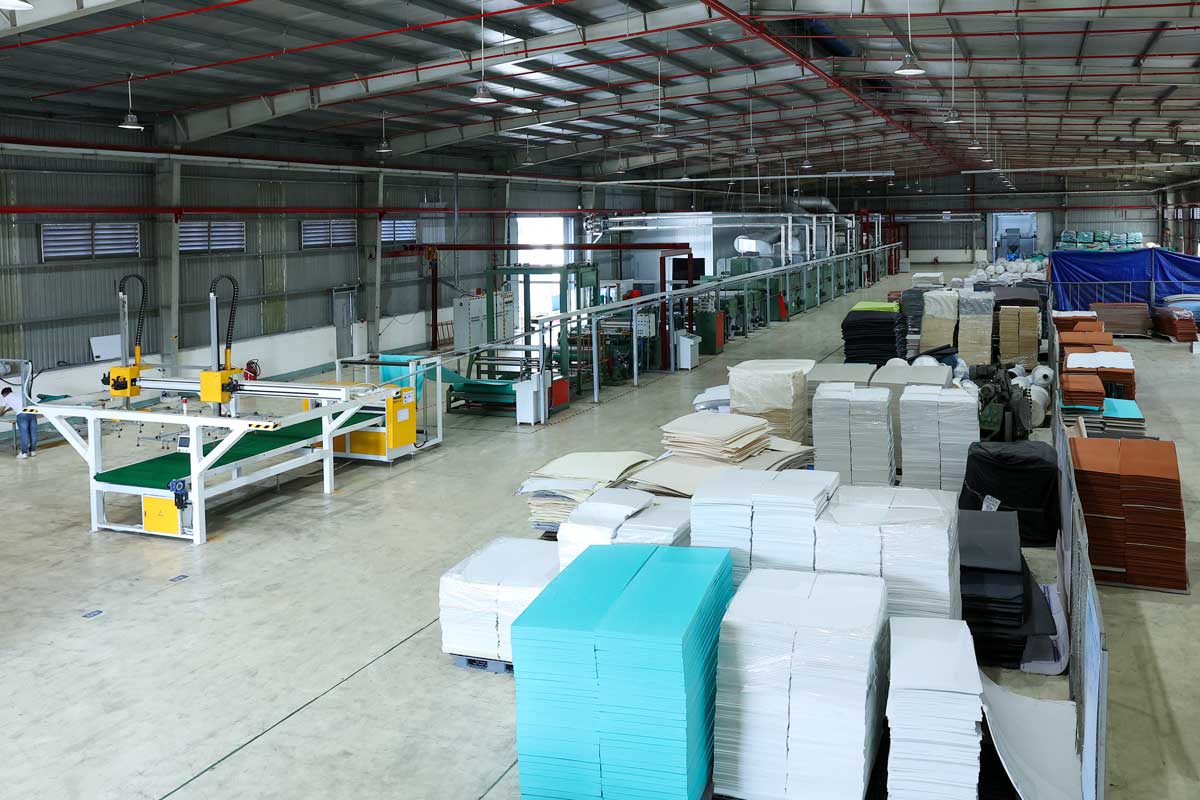
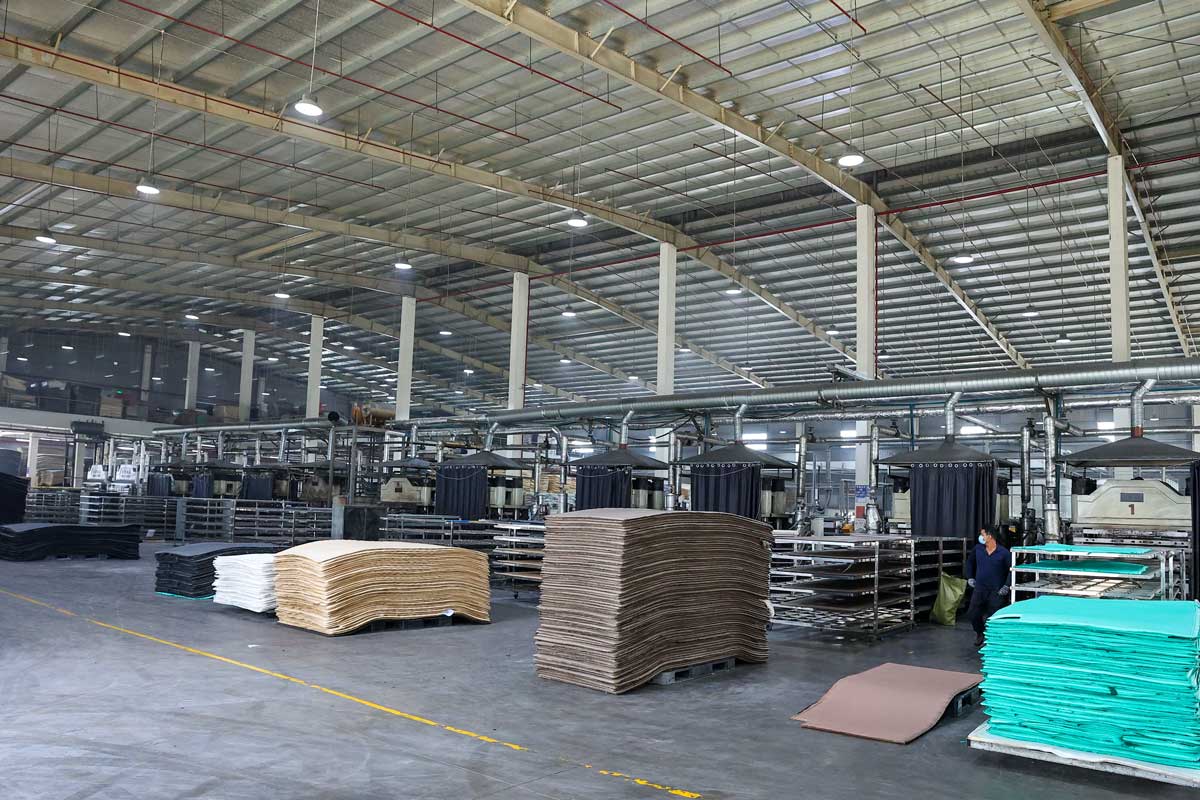
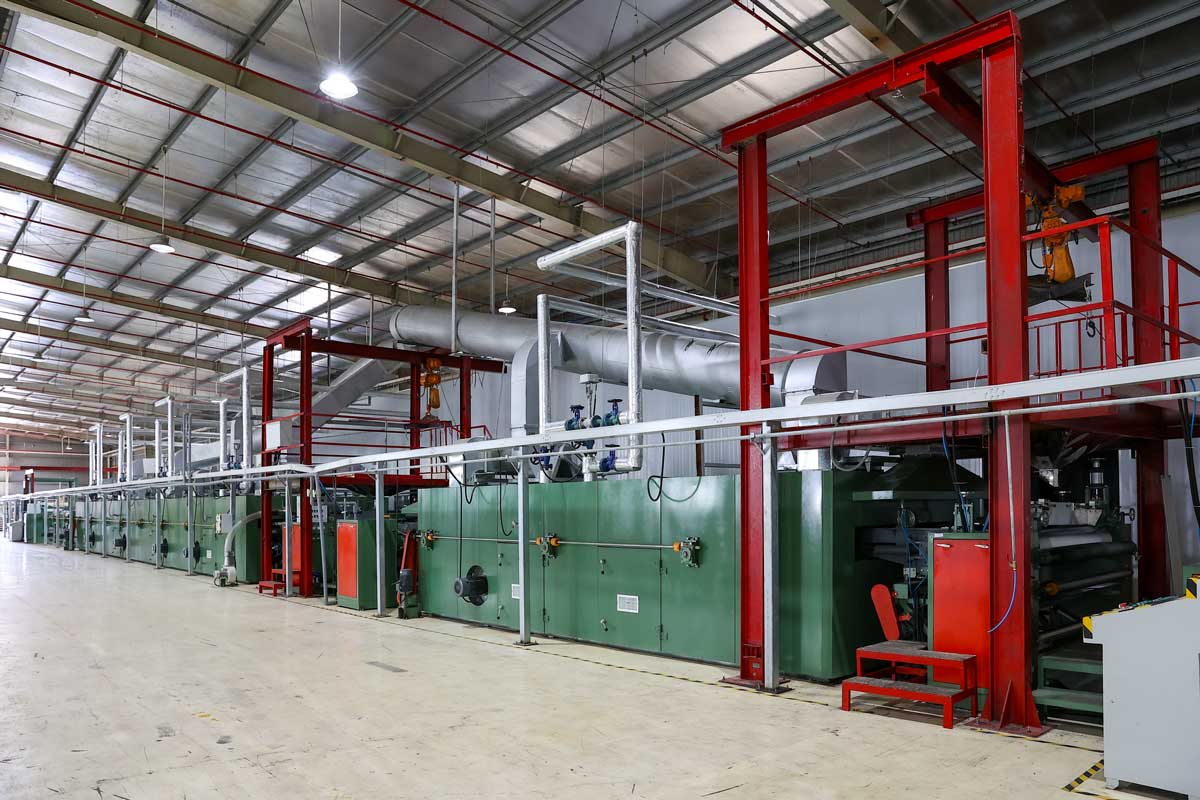
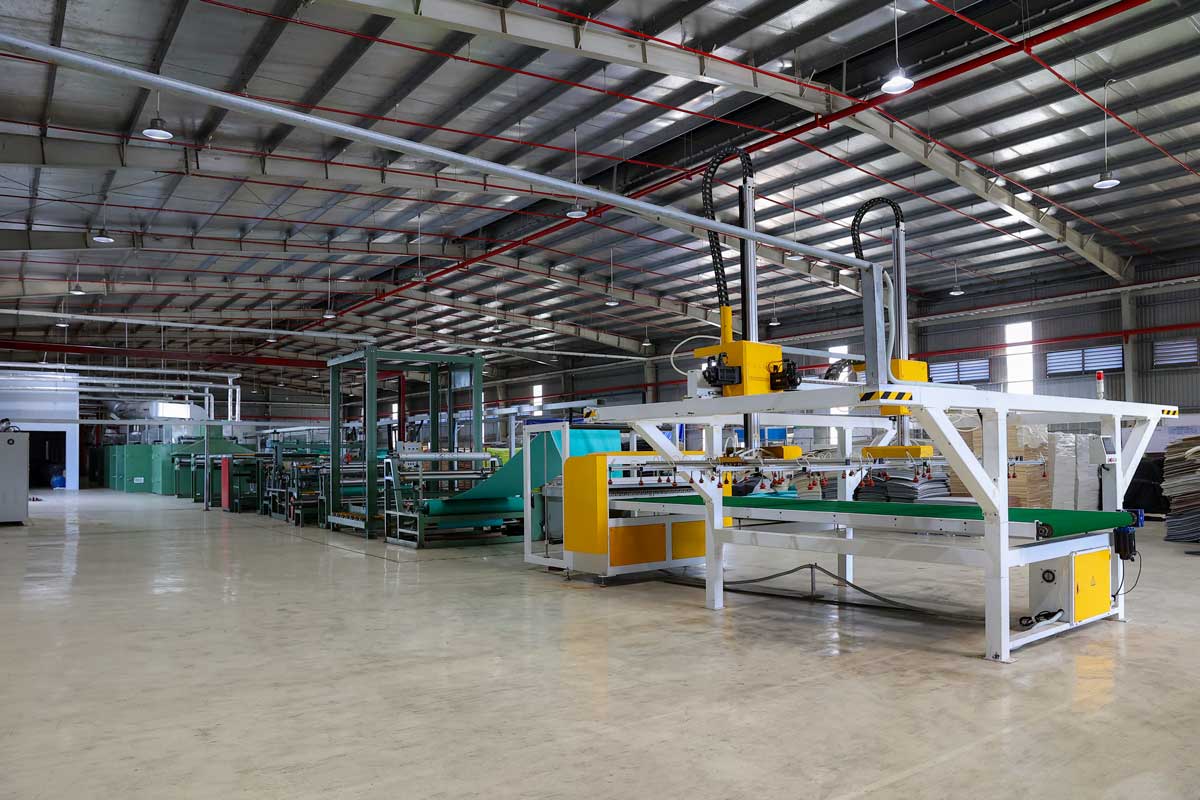
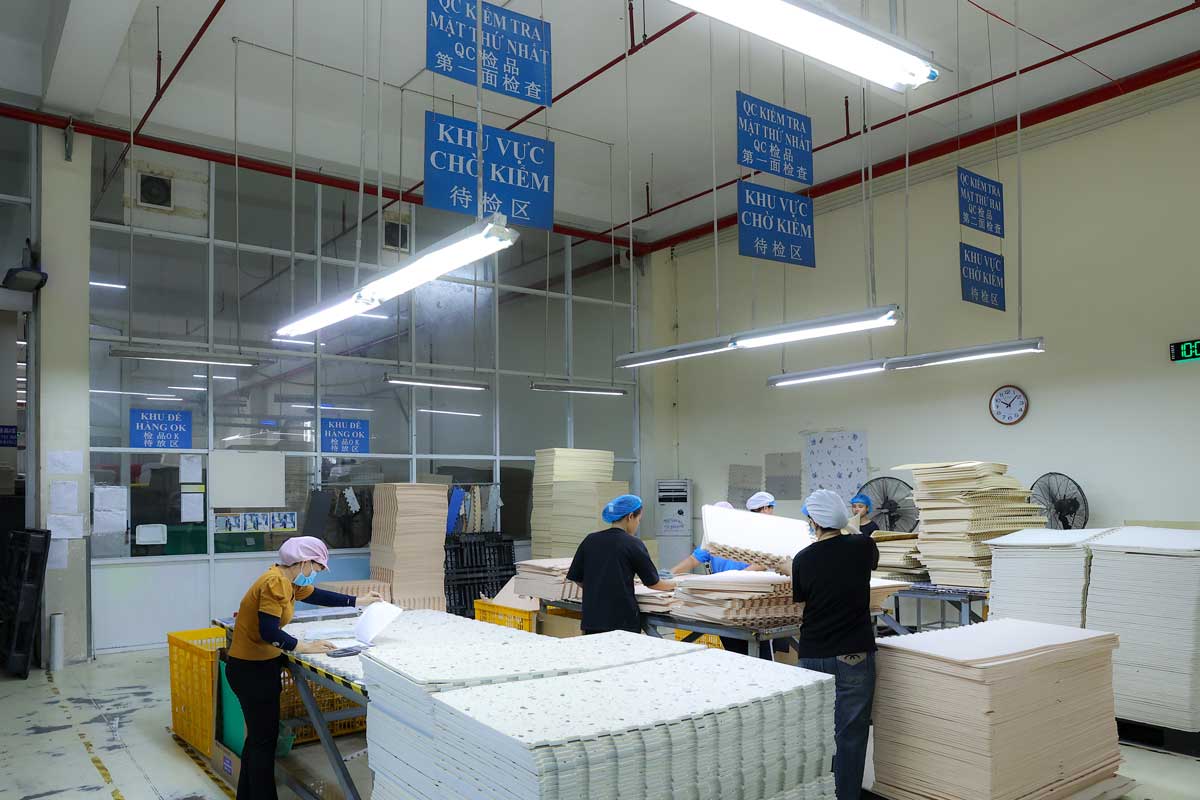
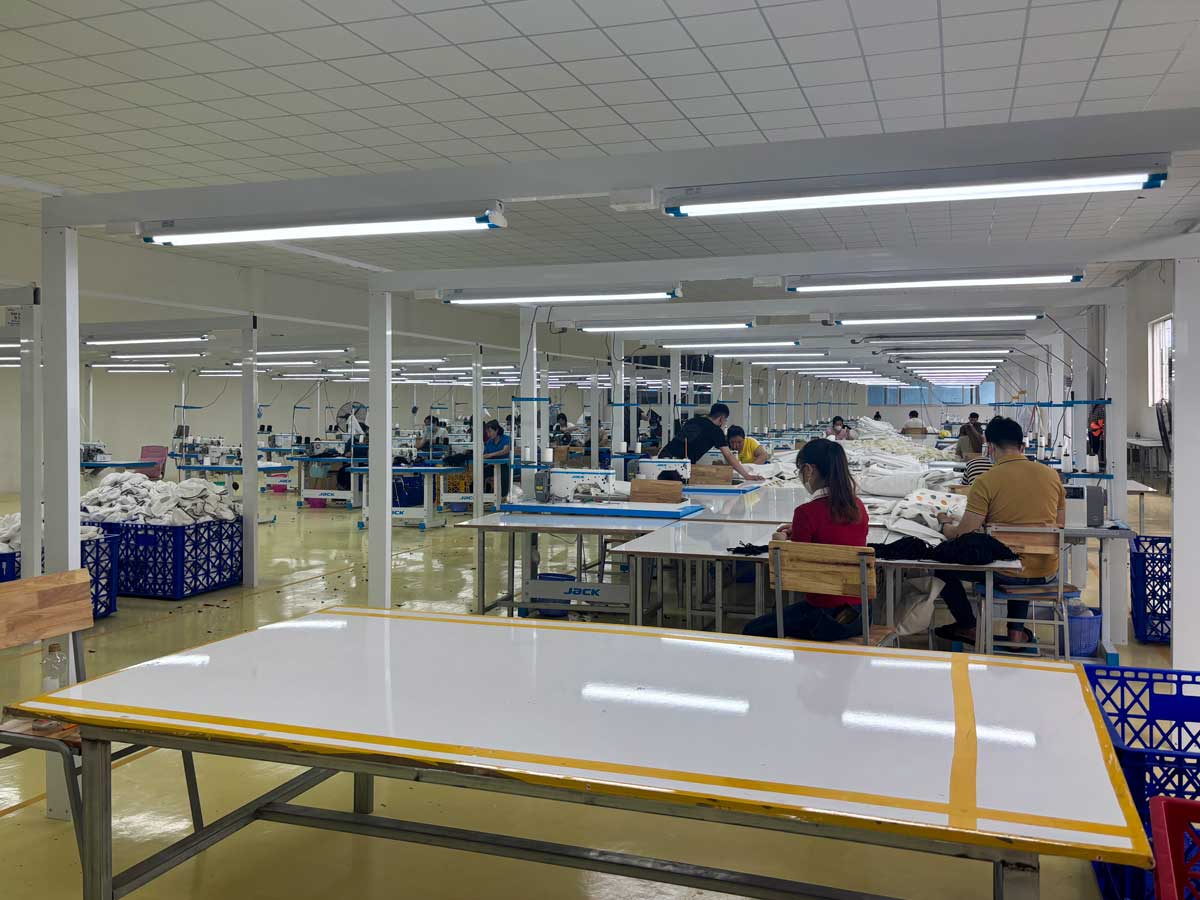
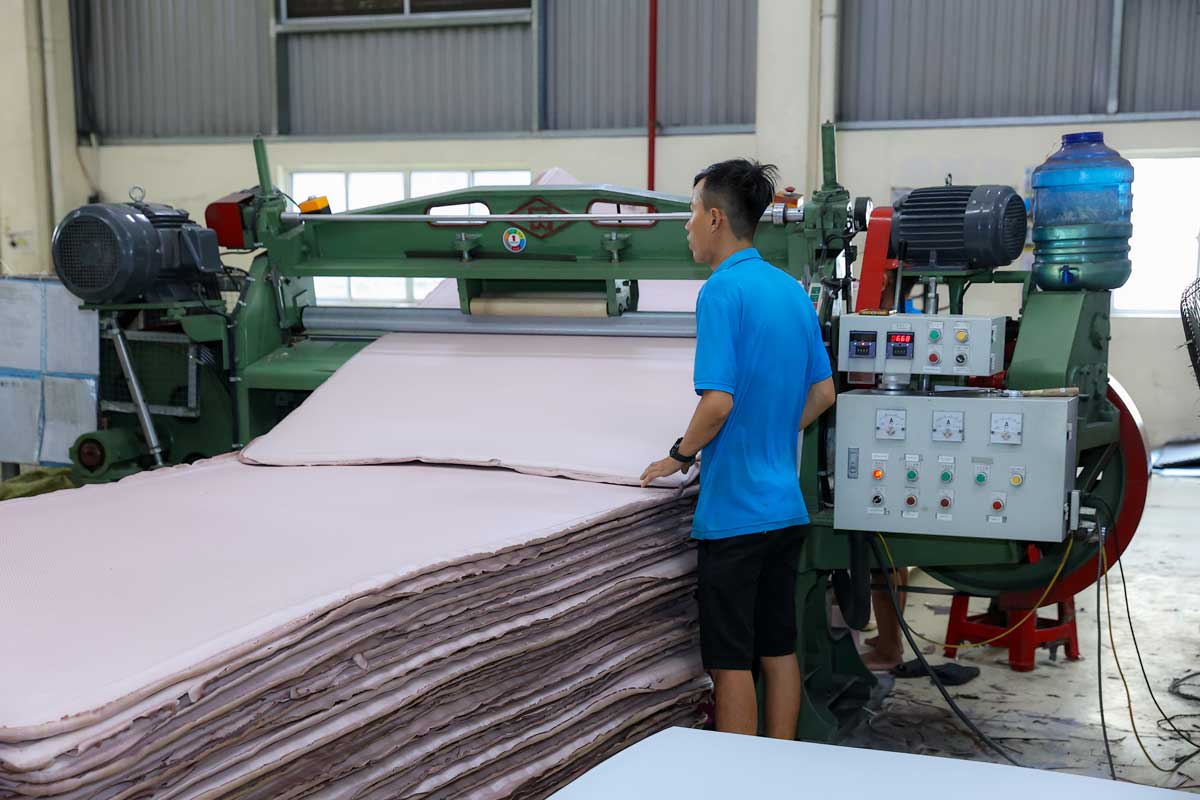
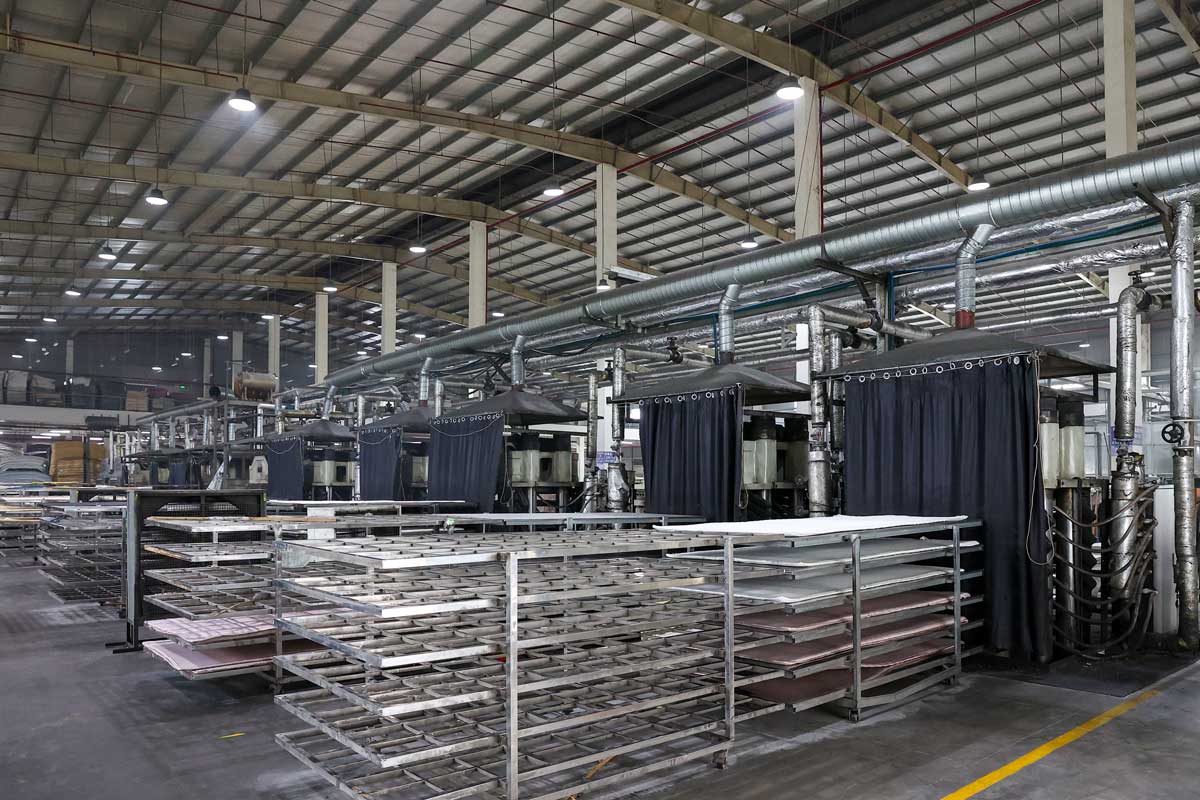
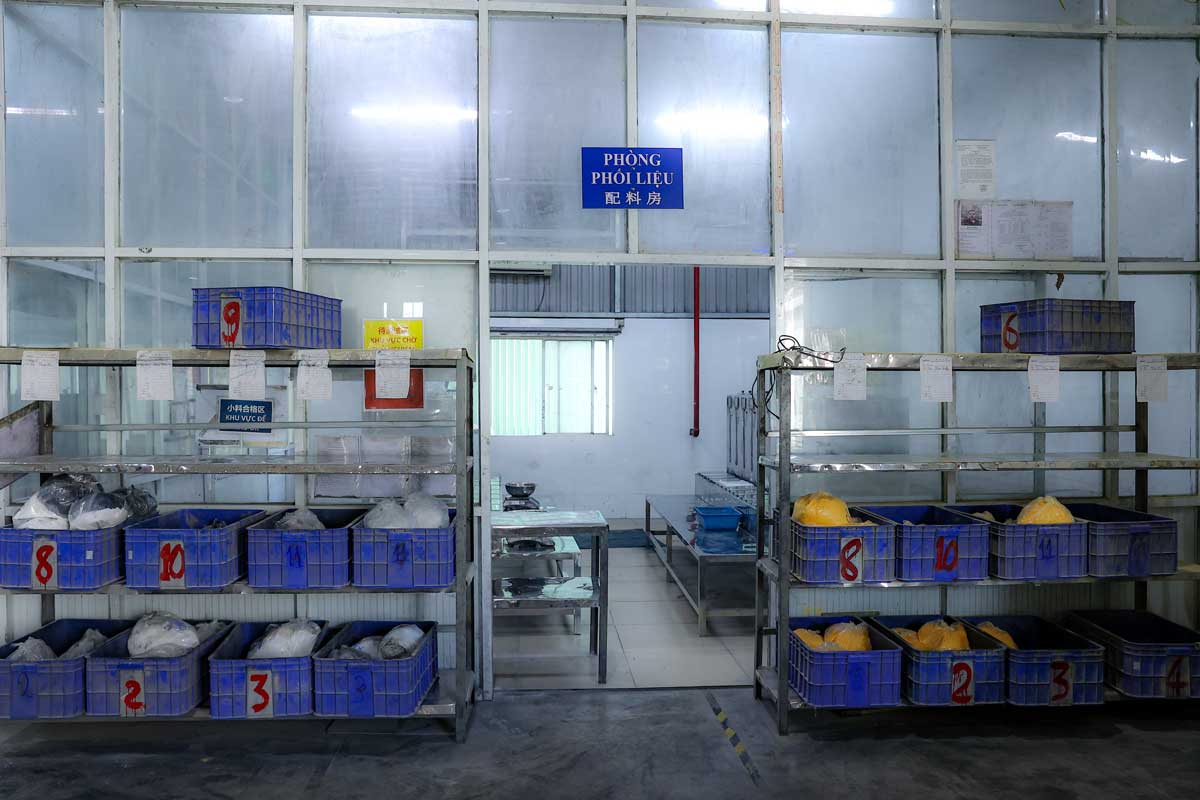
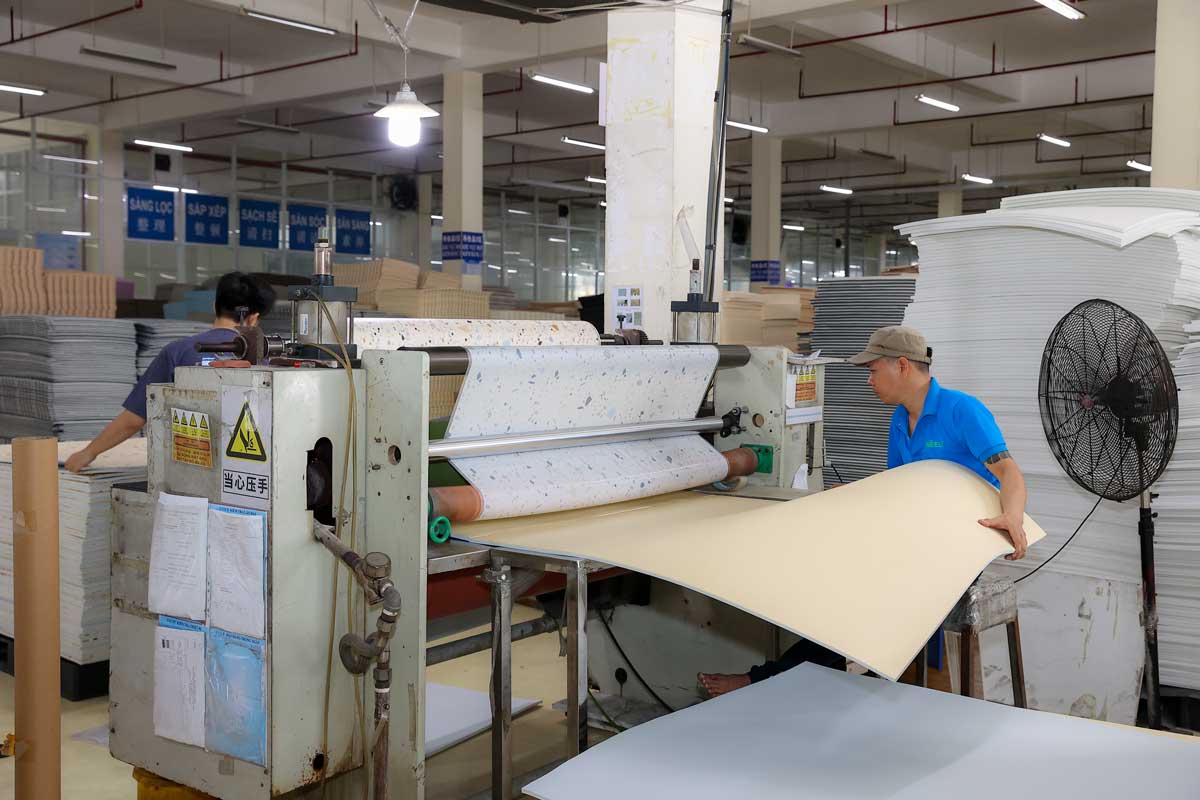
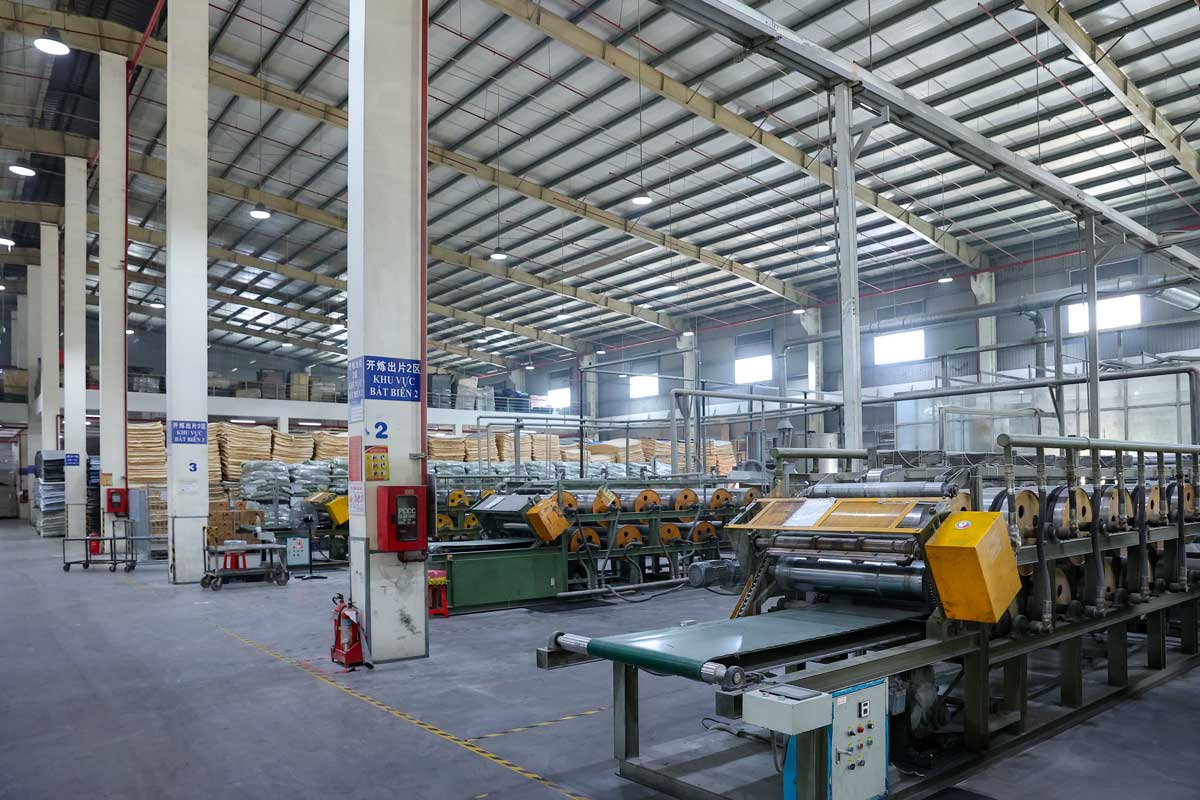
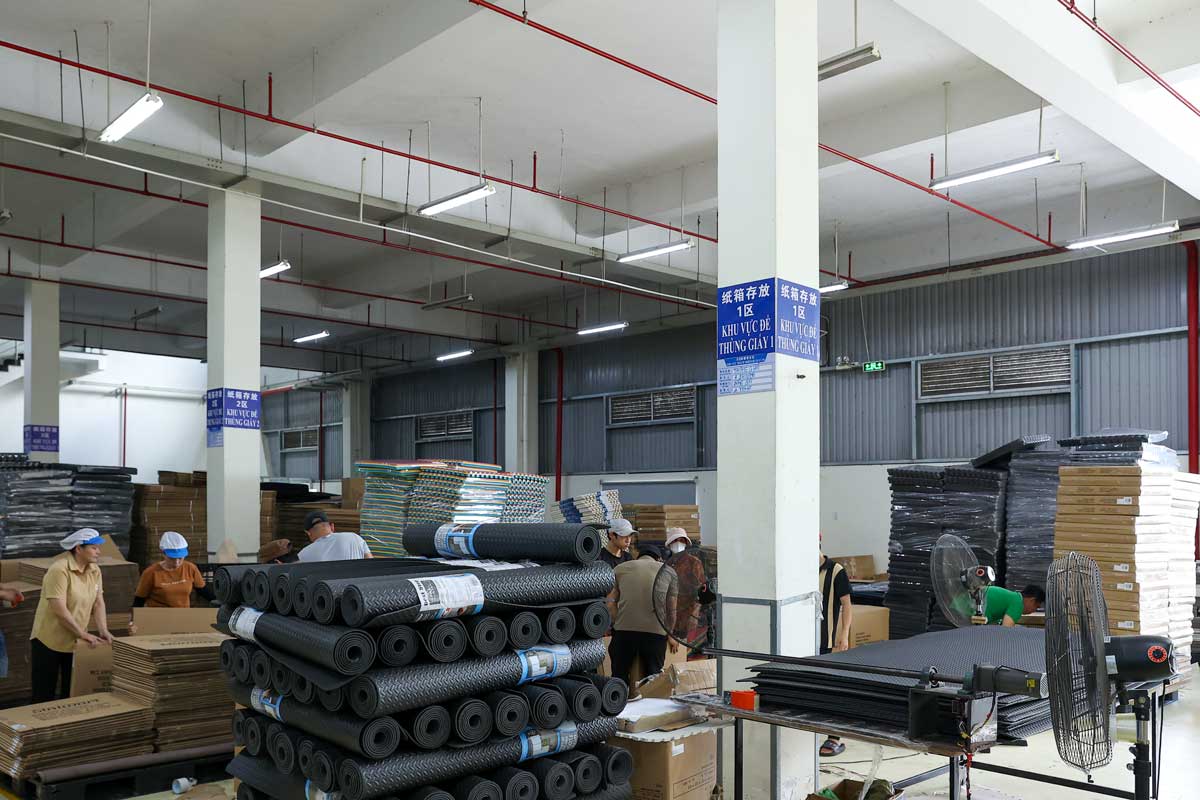
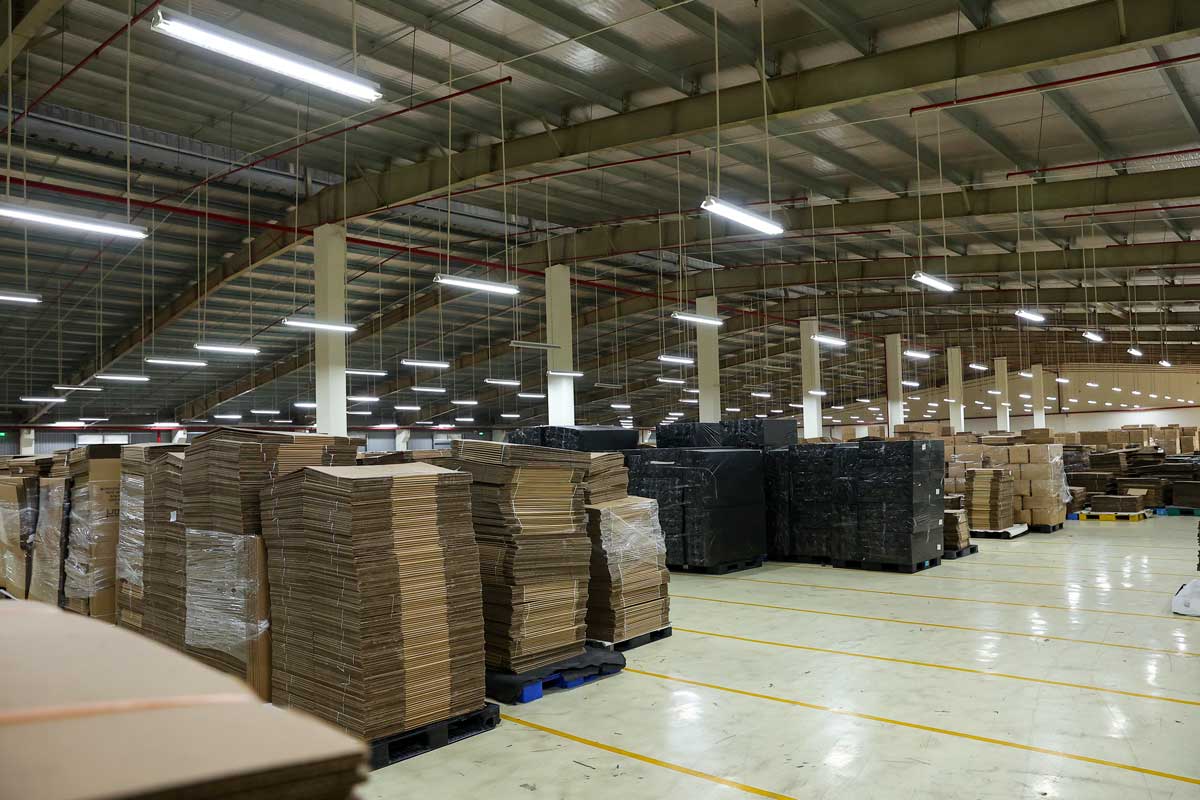
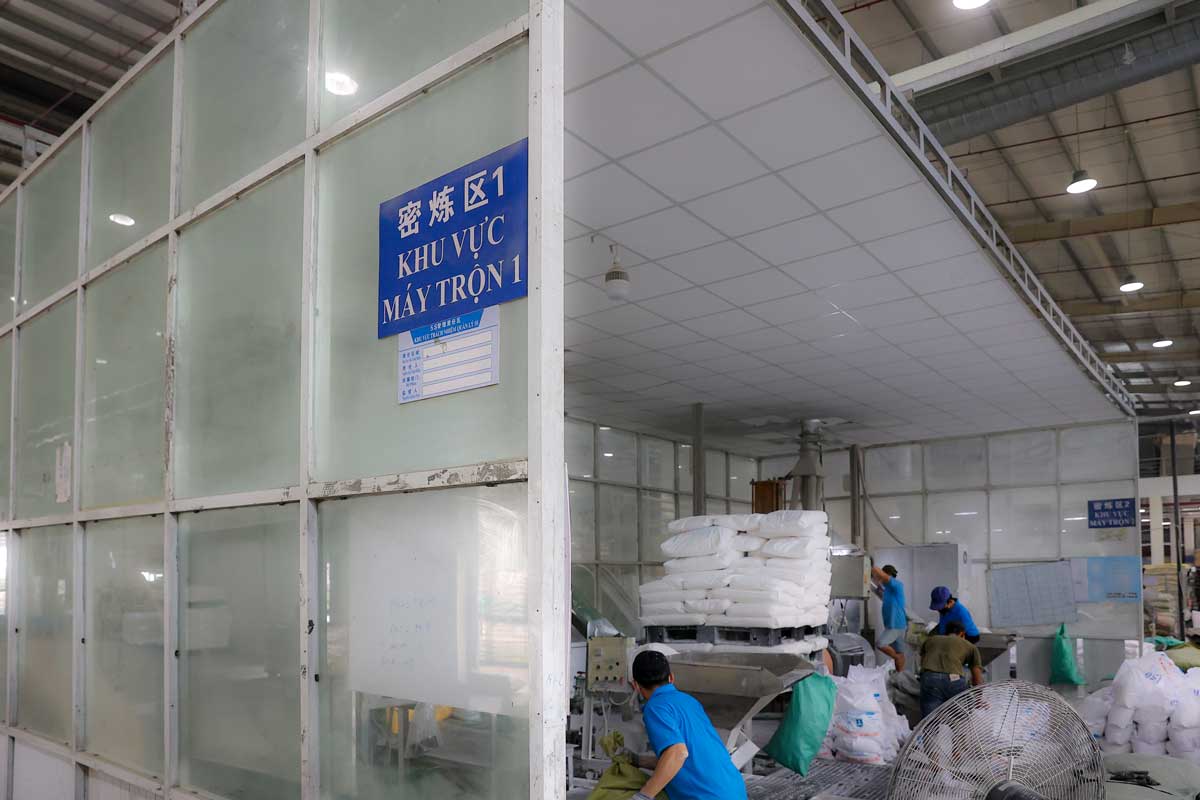
Inside Our Factory: Our Dual-Base Manufacturing Power
Start Your Custom Foldable Mat Project
Share Your Requirements → Get a Process Plan in 24 HoursFrequently Asked Questions About Foldable Mats
– B2B Sourcing Guide
Do foldable mats develop permanent crease marks or lose flat‑lay memory?
A: Quality foldable mats should return to flat within seconds after unfolding. Poorly formed fold lines cause “tenting” (raised ridge) or edge curl. NEEU‘s heat‑press scoring + post‑forming cooling fixture ensures:
Residual thickness at hinge: 40‑60% of original (prevents over‑compression)
Flat‑lay recovery: within 5mm of flat ≤60 seconds after being stored folded for 48 hours
No permanent crease visible on top surface after unfolding
We include a Flat‑Lay Test Certificate with every batch, verifying recovery performance.
Can foldable mats be used on uneven or soft surfaces (e.g., grass, sand, carpet)?
A: Yes – but performance varies by thickness and material:
Thin mats (3‑6mm): Best on hard, flat floors (yoga, fitness). On soft surfaces, they may feel uneven.
Thick mats (10‑20mm): XPE and EVA camping mats provide excellent cushioning on grass or sand.
Tip: For outdoor use (camping, beach), choose EVA or XPE with a thickness ≥10mm and a waterproof, closed‑cell construction.
NEEU‘s EVA camping mats and XPE play mats are specifically designed for outdoor and uneven surfaces, with anti‑slip bottom textures.
How do I clean and maintain different foldable mats?
A: Cleaning recommendations by material:
- TPE: Wipe with mild soap + water; air dry; Machine wash, bleach, harsh chemicals.
- XPE: Wipe with a damp cloth; diluted vinegar for deep clean; Soaking, high‑pressure washers.
- PVC: Mop with mild detergent; pressure wash (low); , abrasive scrubbers.
- EVA: Hose off or wipe with soapy water; Prolonged soaking.
For foldable mats with fabric or suede surfaces, spot clean only. Always store mats flat or loosely folded – avoid heavy objects on folded mats long‑term.
How does NEEU ensure the durability of the folding lines (creases)?
A: The folding line is the most critical part of a foldable mat. We use Precision Heat-Pressing Technology and reinforced seam engineering to ensure the creases remain resilient. Every batch undergoes a 10,000-cycle folding fatigue test in our laboratory. Managed by our MES AIO8 system, we monitor the temperature and pressure during the creasing process to prevent material cracking or delamination, ensuring a long lifespan even in high-frequency commercial use.
What are the primary logistics advantages of foldable mats for B2B buyers?
A: Foldable mats are a game-changer for international shipping costs. By utilizing Accordion (Z-fold) or Multi-segmented structures, we can reduce the Volumetric Weight of the product by up to 40% compared to traditional roll mats or large interlocking tiles. This allows for higher container loading quantities (FCL) and significantly lowers the “last-mile” delivery costs for e-commerce sellers on platforms like Amazon or eBay.
Is XPE safer than EVA for children‘s foldable play mats?
A: Yes – XPE offers a superior safety profile for children‘s products:
- Property: Foaming process; XPE: Chemical foaming (Uses an advanced degassing process to remove chemical residues.) ;EVA:Chemical foaming (AC blowing agent)
- Property: Formamide content; XPE: Not detected (<2 mg/kg);EVA:<30 mg/kg in NEEU‘s formulation (well below EU 200 mg/kg limit)
- Property: Certifications; XPE:EN71‑1/2/3, EN71‑15, ASTM F963, CPSIA;EVA:EN71, ASTM (with controlled formamide)
- Property:Odor; XPE:Completely odorless;EVA:Minimal with quality formulation
For zero‑compromise safety (baby products, daycares), XPE is the recommended choice. For cost‑sensitive markets with robust quality control, NEEU‘s low‑formamide EVA is also compliant.
Are TPE foldable yoga mats suitable for hot yoga? Do they become slippery?
Are TPE foldable yoga mats suitable for hot yoga? Do they become slippery?
A: TPE‘s wet grip is moderate but can be enhanced with surface texture. Key points:
- Standard TPE: Good dry grip; wet grip moderate – may be slippery for hot yoga.
- Textured TPE (embossed or micro‑dot): Provides significantly better wet grip.
- Recommendation: For hot yoga, choose TPE with a high‑texture surface or consider natural rubber.
NEEU offers custom embossing patterns (diamond, wave, dot) to optimize wet slip resistance. We can test to ASTM D2047 and provide slip coefficient reports.
What customization options do you offer for foldable mats?
A: NEEU provides full OEM/ODM customization across all folding types:
- Material:TPE / XPE / PVC / EVA
- Fold type:Bi‑fold / Tri‑fold / Quad‑fold / Accordion / Multi‑segment / Roll‑fold hybrid / Modular nesting
- Thickness:3‑40mm
- Open dimensions:Standard (e.g., 183×61cm) or custom
- Folded size & carrying accessories: Velcro strap, nylon bag, cotton strap, handle cutout
- Color:Any Pantone (ΔE<1.0)
- Surface printing: Silk screen, heat transfer, UV print – logos, patterns
- Edge finishing: Rounded corners, straight cut, binding tape
- Packaging: Private label box, poly bag, shrink wrap, display carton
Custom samples produced within 7‑10 days; bulk orders 15‑25 days after approval.
What compliance documents do you provide with each shipment?
A: For every shipment, NEEU provides:
- Commercial invoice & packing list
- Certificate of Analysis (COA) – thickness, density, hardness, folding test results
- GCC (General Certificate of Conformity) for non‑children mats
- CPC (Children‘s Product Certificate) for children‘s mats (US)
- REACH / EN71 / Prop 65 test reports (upon request)
- Formaldehyde emissions test (if required for EU)
- PFAS‑free declaration (for non‑woven or coated mats)
Custom documentation packages can be prepared for large retailers (Walmart, Target, REI) or Amazon compliance.
Do you support OEM and private label foldable mat projects?
A: Yes. NEEU supports OEM, private label, and wholesale foldable mat projects for B2B customers, including product development, branding, and packaging solutions.
How are foldable mats packaged for shipping? What about storage?
A: Foldable mats are typically:
- Folded and secured with a Velcro strap, an elastic band, or a plastic buckle
- Inserted into a poly bag or custom‑printed retail box
- Labeled with batch number, product code, and compliance marks
- Packed in cartons or on pallets for sea/air freight
Storage recommendation: Keep folded mats in a dry environment; avoid stacking heavy items on top for extended periods to preserve fold‑line memory.
How do you control quality for foldable mats?
A: NEEU applies structured quality control and 100% inspection to help ensure foldable mats are clean, free from foreign matter, correctly folded, and packed in complete condition before shipment.